
The coffee beans that we get at the store are roasted. This is because the coffee beans need to go through a process called roasting in order to release the coffee’s natural oils. Roasting also helps to improve the flavor of the coffee.
Coffee beans are roasted to bring out their flavor and aroma. Roasting also helps to remove some of the coffee bean’s bitterness.
What is the difference between roasted and unroasted coffee beans?
Chlorogenic acid is a naturally-occurring compound found in coffee beans. This compound is responsible for many of coffee’s health benefits. However, chlorogenic acid is largely destroyed during the roasting process. As a result, roasted coffee beans contain much less of this compound than unroasted beans.
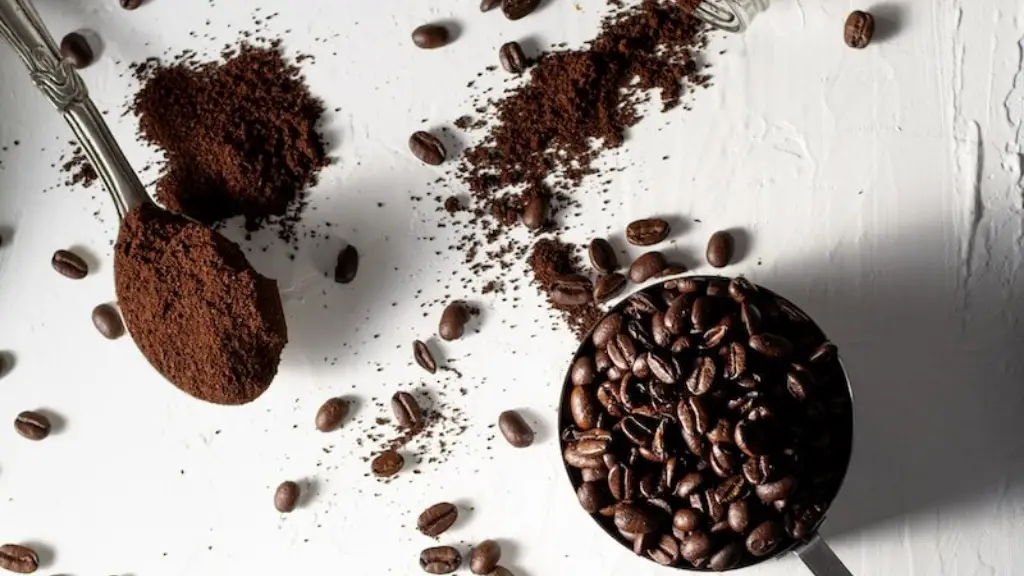
If you’re looking to get the most flavor out of your coffee beans, it’s best to use them as soon after roasting as possible. Roasted beans will have a more intense flavor and smell, and will be less moist than unroasted beans. This makes them easier to grind, and gives you a better cup of coffee.
Are coffee beans roasted before grinding
After roasting, the beans are cooled down to room temperature. They may then be packaged as whole beans ready from sale. If required, the roasted coffee beans may be ground. This is done in a coffee grinder.
Coffee roasting is the process of turning coffee beans into the roasted coffee that we know and love. It begins with green coffee beans, which are then processed and dried. The beans are then roasted at temperatures ranging from 180 to 250 degrees Celsius, depending on the desired type of roast (light or dark). The roasting process usually takes between 7 and 20 minutes.
Is it safe to drink unroasted coffee beans?
Yes, it is safe to eat raw, unroasted coffee beans. However, you may not enjoy the taste as raw coffee beans are highly acidic and have a grassy or woody flavor. Additionally, raw coffee beans are much harder than roasted beans, making them difficult to chew.
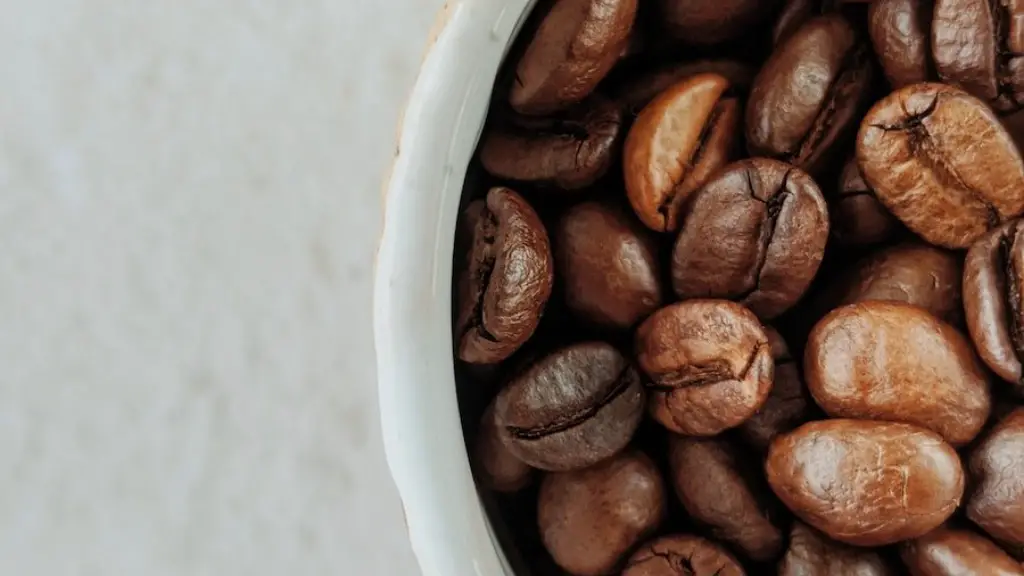
Coffee is a popular beverage enjoyed by many people around the world, but it is important to be aware that it can cause stomach upset in some people. This is because caffeine and other compounds called catechols present in coffee beans have been shown to increase stomach acid. This can lead to heartburn, an uncomfortable condition in which stomach acid pushes back up your esophagus. If you are prone to stomach upset or heartburn, you may want to limit your coffee consumption or switch to decaffeinated varieties.
How long do unroasted coffee beans last?
The shelf life of green coffee beans is much longer than that of roasted beans. This is because the roasting process breaks down some of the compounds in the bean, making them more susceptible to degradation over time. That said, roasted beans will still last for several months if stored properly.
Starbucks coffee beans are shiny because they are freshly roasted and the natural oils are surfacing. This gives the beans a shiny appearance.
How can you tell if coffee beans are good quality
The coffee beans are known to be of good quality if the bitterness is pleasant, rather than rancid or sharp. Coffee bean quality can also be determined by its color. Unroasted coffee beans, also known as green coffee beans, are somewhat pale, yellowish beige with just a hint of green.

The more surface area you create when grinding coffee beans, the faster the coffee will become diluted. This is why it is important to brew a cup of coffee immediately after grinding the beans – the coffee will be more concentrated and have a greater concentration of oils.
Is fresh roasted coffee healthier?
If you want to enjoy a quality cup of coffee, it is important to use fresh-roasted beans. This is because pre-ground coffee contains more free radicals than freshly ground coffee, which can contribute to oxidative stress and inflammation in the body.
There are many factors that contribute to the quality of coffee, but one of the most important is the freshness of the beans. When coffee beans are ground fresh, they tend to have a better consistency and overall quality. This is because the beans still have their natural oils, which contribute to the flavor and smell of the coffee. However, when coffee beans are ground ahead of time and left to sit, the oils begin to dissipate and the quality of the coffee decreases.
How do professionals roast coffee beans
The roasting process of coffee beans is critical to the flavor of the final product. Raw coffee beans are dropped into loaders and then into a rotating drum. The drum is pre-heated to a temperature of around 240 degrees. After 12-15 minutes depending on the type of roast, the roasted beans will exit the drum at around 195 degrees and are then taken out into a cooling tray at the front of the roaster. This process allows the beans to cool quickly and evenly, helping to preserve their flavor.
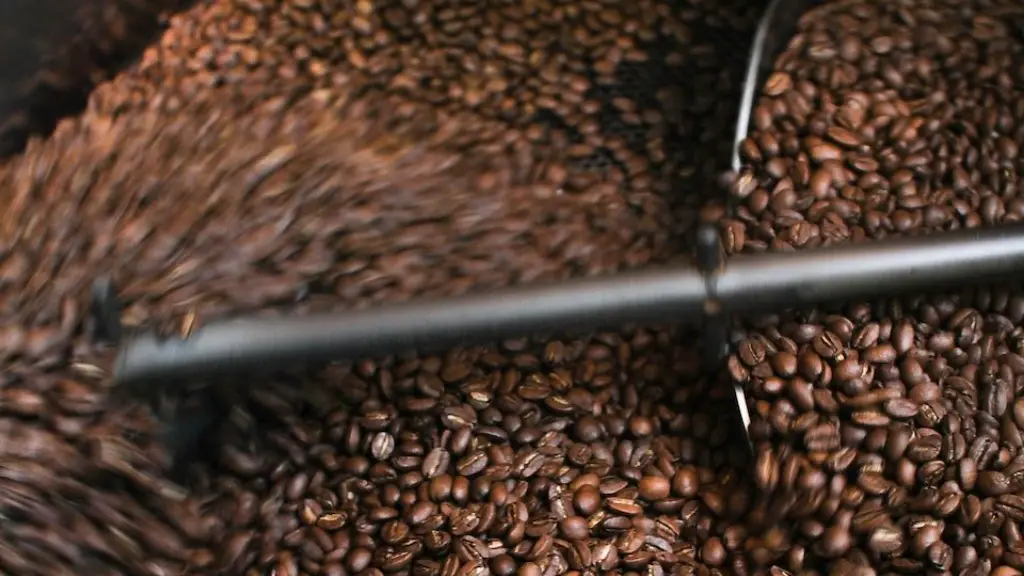
Coffee beans are harvested from coffee plants. After being picked, the coffee beans are cleaned and hulled. Roasting coffee beans at about 400 degrees creates the distinctive flavor of coffee.
Does roasting coffee make it stronger?
There is a common misconception that dark roasted coffee beans have more caffeine than light roasted beans. However, the caffeine content remains pretty much the same during each stage of the roasting process. The main difference between light and dark roasted coffee is the flavor profile. Dark roasted coffee has a richer, more intense flavor, while light roasted coffee is more mellow and delicate. So, if you’re looking for a strong caffeine kick, you’re better off sticking to light roasted coffee.
It’s important to be mindful of what you’re eating and drinking first thing in the morning. According to experts, coffee on an empty stomach can interfere with your cortisol levels and actually leave you feeling more tired later on in the day. So, if you’re looking for a morning pick-me-up, it’s best to wait a few hours after waking up to have your coffee.
Conclusion
Yes, coffee beans are roasted.

Yes, coffee beans are roasted. Roasting coffee beans is a critical step in the coffee-making process because it affects the bean’s flavor and aroma. The roasting process also determines the bean’s color, which can range from light brown to almost black.