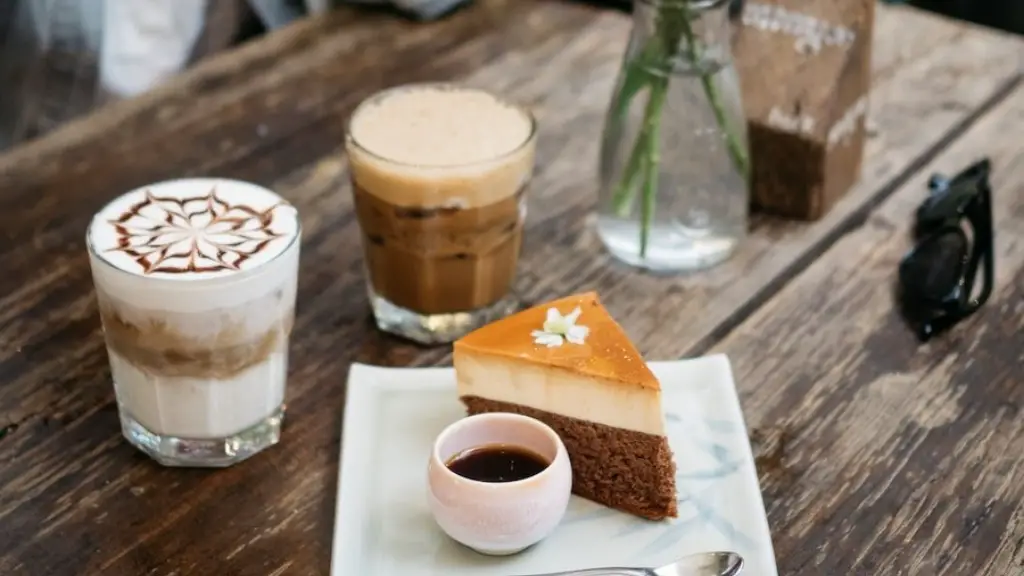
Coffee is one of the most popular drinks in the world and espresso is one of the most popular types of coffee. So, can you make coffee with espresso beans? The answer is yes! In fact, many people prefer to make their coffee with espresso beans because the coffee is more concentrated and has a stronger flavor.brew their coffee with espresso beans because the coffee is more concentrated and has a stronger flavor.
Yes, you can make coffee with espresso beans, but it will be very strong and have a lot of caffeine.
Can espresso beans be used as coffee?
If you only have espresso beans at home, don’t worry! You can still make a delicious cup of drip or pour-over coffee. Espresso beans are simply regular coffee beans that have been roasted for a longer period of time, resulting in a darker roast. So go ahead and use those espresso beans to make your favorite coffee beverage.
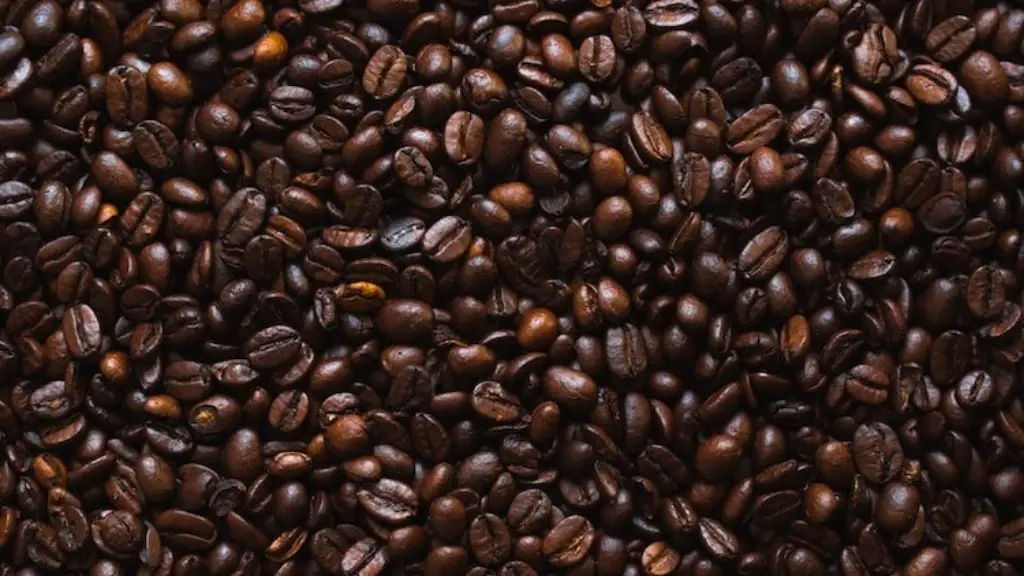
Espresso beans are roasted for a longer time at high temperatures so that more oils can be extracted from the beans. This results in a bolder, richer and more concentrated flavor. Coffee beans refer to any bean that is roasted and readied for brewing.
Can you use espresso coffee in a regular coffee maker
You should not use coffee that has been ground for making espresso in a drip brewer. The grind is much finer than what is ideal for a drip brewer and can result in clogging and overflows.
The average cup of coffee typically contains between 95-100mg of caffeine. An average espresso bean contains about 6mg of caffeine. You can approximate 16-17 beans would equal a cup.
Is it OK to eat espresso beans?
Chocolate-covered coffee beans are a delicious and popular treat. However, there is some misinformation circulating about whether or not they are safe to eat.
Most people can safely eat coffee and espresso beans. However, there are a few things to keep in mind. First, coffee and espresso beans contain caffeine. Too much caffeine can cause problems such as anxiety, insomnia, and heart palpitations. Therefore, it is important to moderate your intake of chocolate-covered coffee beans.
Second, some people may be allergic to coffee or espresso beans. If you are allergic to either of these, you should avoid chocolate-covered coffee beans.
Overall, chocolate-covered coffee beans are safe to eat for most people. Just be sure to moderate your intake and be aware of any potential allergies.
Espresso has a unique flavor compared to drip coffee because it is roasted, ground, and brewed differently. It usually has a bolder, less acidic taste, with a well-rounded and full-bodied finish. This means that it has a rich coffee flavor.
Is espresso coffee stronger than regular coffee?
Espresso typically has 63 mg of caffeine in 1 ounce, which is more than regular coffee. Regular coffee has 12 to 16 mg of caffeine in every ounce, on average. This means that ounce for ounce, espresso has more caffeine.
The industry standard for a single shot of espresso coffee is seven grams of beans per cup. That’s about 56 roasted coffee beans in shot of coffee (green beans weigh much more than roasted coffee beans).
Does Starbucks use espresso beans
If you love Starbucks coffee, you’ll be happy to know that you can now purchase their branded ground espresso roast coffee online or in-store. Not only do they use it in their caffe latte but also their cappuccino, americano, and mocha. If you request it at purchase, they will even grind the beans for you.
To make a great cup of coffee, you need to start with grinding the beans. For this recipe, you’ll need a dark roast coffee bean, ground to a medium fine grind. Then, heat the water to hot but not boiling (200 to 205°F). Add the coffee and wait for 4 minutes. Finally, top with hot water and stir. Enjoy!
Do espresso beans have more caffeine?
A regular cup of coffee contains about 65-120 mg of caffeine, whereas a 1 oz shot of espresso contains 30-50 mg of caffeine. The higher amount of caffeine in espresso is due to its brewing technique, not the coffee beans used.
If you want a weaker cup of coffee, you can add more water to the espresso grounds before brewing. You may also want to experiment with different types of espresso beans to find one that you like. In summary, yes you can use espresso ground coffee in a Keurig machine.
Is there a difference between regular and espresso beans
It’s no secret that there is a lot of debate surrounding espresso and coffee beans. Some people swear by the rich, intense flavor of espresso, while others prefer the more mellow taste of coffee. However, at the end of the day, it really comes down to personal preference. There is no difference between espresso and coffee beans, so make coffee the way you love it!
The espresso martini is a delicious and popular cocktail that is typically garnished with three espresso beans floating on top. These beans are said to represent health, wealth and happiness, and are a tradition that many people enjoy. If you are looking for a fun and tasty cocktail to enjoy, be sure to try an espresso martini!
Is 2 shots of espresso the same as a cup of coffee?
Whether you are drinking espresso or brewed coffee, the caffeine content is going to be about the same per ounce. So if you are looking to get a caffeine fix, it really doesn’t matter which one you choose!
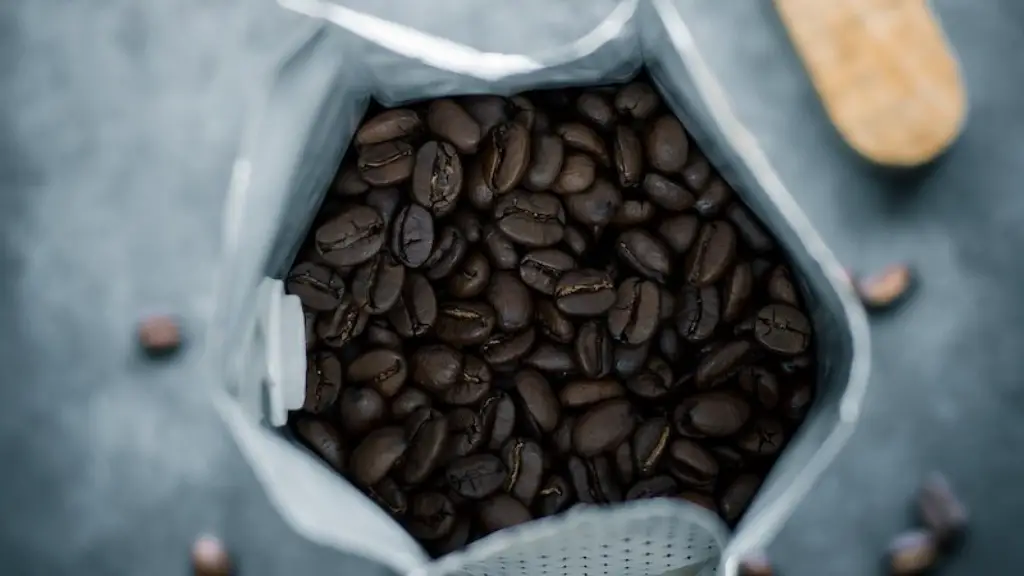
Caffeine is a stimulant that is found in coffee beans. Even though coffee beans contain less caffeine than coffee, the way the body digests them gives more energy. Eating a serving size of eleven coffee beans will make a person feel like they finished drinking two cups of coffee.
Conclusion
No, espresso beans are too finely ground to be used in a coffee maker.
Espresso beans can be used to make coffee, but the resulting coffee will be very strong and have a distinct espresso flavor. If you are looking for a traditional cup of coffee, it is best to stick with regular coffee beans.
