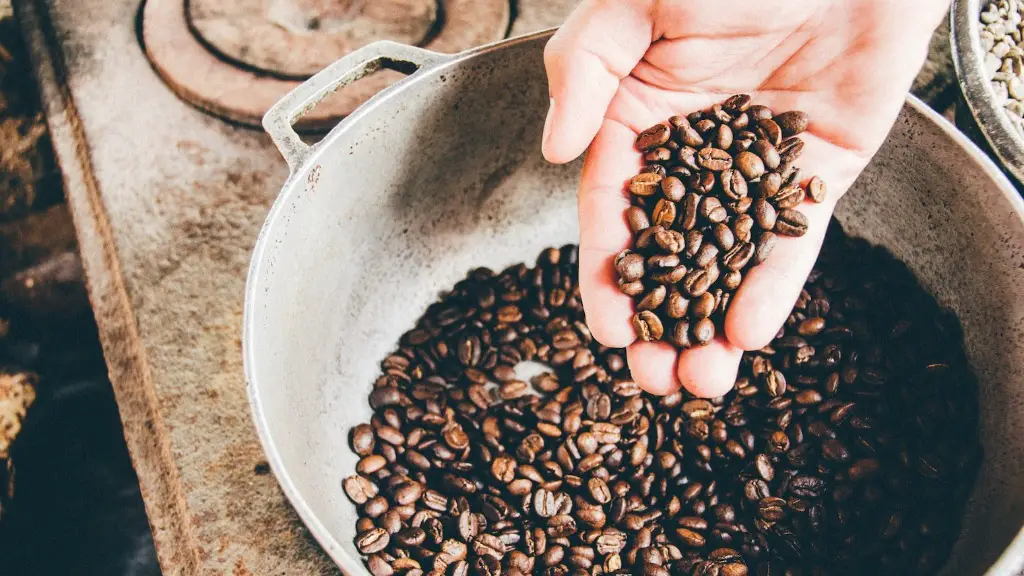
There are billions of coffee beans in the world. Each coffee plant produces thousands of beans. And there are millions of coffee plants around the globe.
We can’t know for sure how many coffee beans there are in the world because coffee plants are grown in many different countries and there is no one central place that tracks the data. However, based on data from the Food and Agriculture Organization of the United Nations, it is estimated that there are around 1.4 billion pounds of coffee beans produced each year. This works out to about 2.5 trillion beans!
Will we ever run out of coffee beans?
The coffee plant is expected to be wiped from the face of the planet by the year 2080. The disappearance of the coffee plant would have a life changing impact on the 120 million people worldwide whose livelihoods depend on the harvest of the coffee beans.

There is no doubt that the Geisha bean from Panama is one of the best coffee beans in the world. The bean is consistently the most expensive coffee at auctions and is also used by many of the top coffee brewers in the world. The Geisha bean has a unique flavor that is loved by many coffee lovers. If you are looking for a great cup of coffee, then you should definitely try the Geisha bean from Panama.
How many coffee in the world
There are currently more than 50 species of coffee thought to exist, all of them native to tropical Africa and the Indian Ocean islands. Most of these species are non-cultivated wild species that are not suitable for human consumption. However, there are a few cultivated species that are grown for their beans, which are used to make coffee. These include the Arabica and Robusta varieties, which are the most popular types of coffee in the world.
The two main coffee species, Arabica and Robusta, have different tastes. Arabica coffee is often described as having a sweeter, fruitier taste, while Robusta coffee is said to have a more bitter, harsher taste.
2 Arabica coffee beans are larger than Robusta coffee beans.

3 Arabica coffee plants grow at higher altitudes than Robusta coffee plants.
4 Arabica coffee beans contain less caffeine than Robusta coffee beans.
5 Arabica coffee plants are more sensitive to pests and diseases than Robusta coffee plants.
6 Arabica coffee beans are more expensive than Robusta coffee beans.
7 Arabica coffee plants yield less coffee than Robusta coffee plants.
8 Arabica coffee is grown in more countries than Robusta coffee.
9 Arabica coffee makes up the majority of the world’s coffee production.
10 Robusta coffee is used more often in instant coffees and coffee blends.
Why does the US not grow coffee?
The climate in most of the United States is not conducive to growing coffee Arabica plants. These plants prefer mild temperatures with high humidity, rich soil, rainy and dry seasons, and altitude. The terrain in most of the US is not mountainous, so the coffee plants do not have the ideal conditions for growth.
The average coffee tree produces 10 pounds of coffee cherry per year, or 2 pounds of green beans. All commercially grown coffee is from a region of the world called the Coffee Belt. The trees grow best in rich soil, with mild temperatures, frequent rain and shaded sun.
What is the rarest coffee bean?
If you’re lucky enough to find Black Ivory Coffee, you’ll be paying a hefty price for the privilege. This is the world’s rarest coffee, with an allocation of just 215 kg (474 lbs) for the whole year. That’s why it’s primarily sold to select five-star hotels. The coffee is made from beans that have been eaten and excreted by elephants, which gives it a unique flavor. While this might not sound appetizing, the coffee is actually quite popular with those who have tried it. So if you’re looking for a truly unique coffee experience, keep your eyes peeled for Black Ivory Coffee.
WalletHub has released its list of the top 20 American cities for coffee lovers and San Francisco, California comes in first place. The city is home to the most affordable coffee shops with 45+ star ratings. Seattle, Washington and Orlando, Florida come in second and third place, respectively.
What is the most famous coffee in USA

Starbucks is a coffee chain that was founded in Seattle in 1971. The name was inspired by the Herman Melville novel “Moby Dick.” The company has more than 15,000 locations in the US alone. Starbucks is known for its coffee, espresso drinks, and pastries.
Brazil is one of the top coffee-producing countries in the world. Brazil produced 2.681 million metric tons of coffee in 2012. Vietnam is the second largest coffee producer, with 1.542 million metric tons. Colombia is the third largest producer, with 754,000 metric tons. Indonesia is the fourth largest producer, with 669,000 metric tons.
Are coffee beans grown in the US?
There are coffee plantations in Maui, Hawaii. The climate is ideal for coffee production and the coffee from these plantations is of excellent quality. The coffee plantations in Maui are a great tourist attraction and provide employment for many people.
This is a fascinating legend that highlights the potential of coffee beans. It is said that the goat herder Kaldi first discovered the potential of these beloved beans. The story goes that Kaldi discovered coffee after he noticed that after eating the berries from a certain tree, his goats became so energetic that they did not want to sleep at night. This is a great example of how coffee can have a positive effect on energy levels.
What are the two biggest enemies of coffee
There are a few things you can do to keep your coffee fresh and protect it from its enemies. First, you can get a coffee valve. This valve will let out carbon dioxide, which coffee releases after it’s roasted. Second, you can keep oxygen out by storing your coffee in an airtight container. Third, you can keep your coffee away from heat by storing it in a cool, dark place. Lastly, you can keep your coffee away from sunlight by storing it in a dark place or in a container with a lid.
It’s no surprise that coffee is on Florida’s radar given the state’s warm climate. And while Hawaii and California may currently be the only two US states to grow coffee, that could soon change if farmers and scientists are successful in their research. Who knows, maybe one day we’ll be enjoying a cup of Florida-grown coffee!
How many colors of coffee are there?
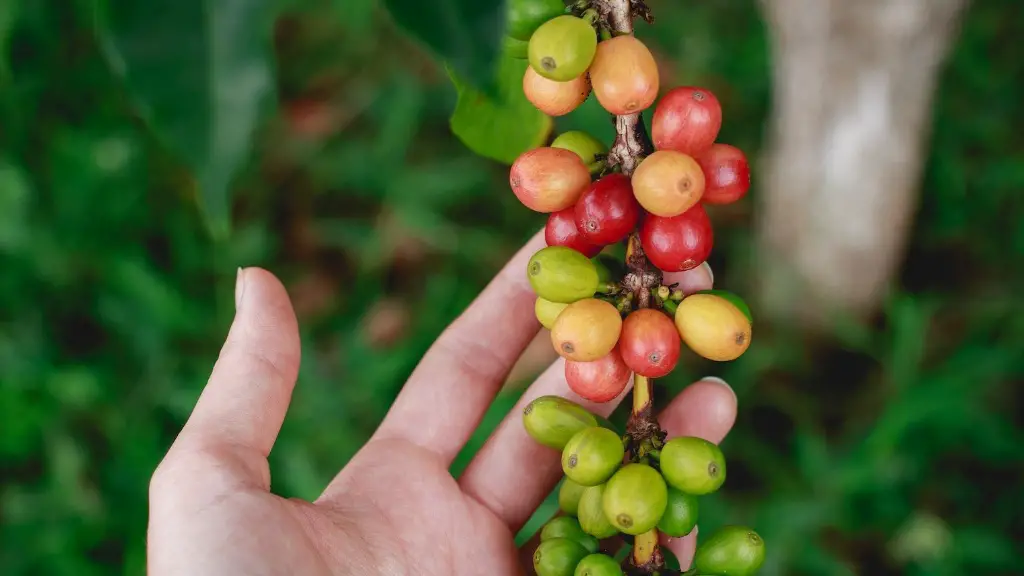
Coffee goes through many stages on its way from crop to cup. The color of coffee beans changes from yellow or red to green and then brown. Coffee is only ready for consumption when it’s brown. Beans never actually become black, although brewed coffee may look black.
It is no surprise that coffee is extremely popular in Finland, as the country has some of the highest consumption rates per person in the world. On average, Finns drink nearly four cups of coffee a day, which is more than any other country. This high consumption is likely due in part to the fact that coffee breaks are legally mandated for Finnish workers. In addition to enjoying coffee at home or at work, many Finns also like to visit cafes and coffee shops when they are out and about.
Why is coffee only grown in Hawaii
Coffee production in Hawaii’s Kona region is world renowned for its high quality coffee beans. The region’s climate and volcanic soils provide ideal growing conditions for coffee plants. The coffee industry is a significant economic driver in the Kona region, with many local businesses relying on coffee production for their livelihoods.
The coffee grown in Hawaii and Puerto Rico is said to be of the highest quality in the United States. The coffee grown in these two locations is typically of a higher quality because of the ideal climate and soil conditions. These two states are also the only states in the US where coffee is grown on a commercial scale.
Conclusion
There are around 120 million bags of coffee beans produced each year. This comes to around 16,200 bean bags per hour.
There are no reliable estimates for the number of coffee beans in the world. However, considering that coffee is the second most traded commodity in the world after oil, it is safe to say that there are a LOT of coffee beans in the world.