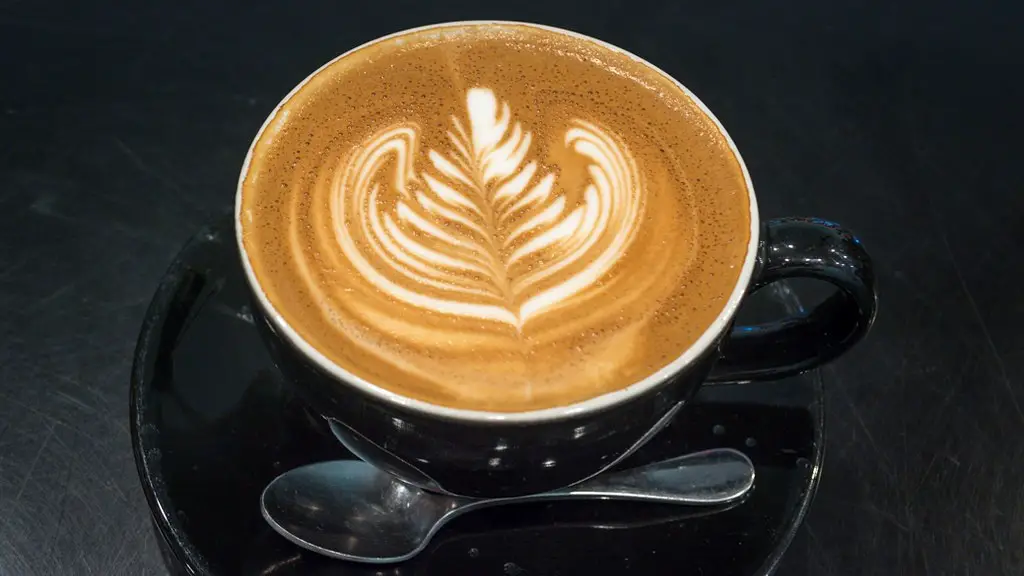
Coffee is a popular beverage that many people enjoy drinking throughout the day. It can provide a quick energy boost and can help people stay awake and alert. But one of the questions that many people have is “How late can I drink coffee?”
The answer to this question really depends on the individual and their own body’s reaction to caffeine. Caffeine levels are usually highest in the morning and decrease throughout the day. Therefore, if you drink coffee late at night, it may not be as effective at keeping you awake or providing energy.
However, some people may be able to drink coffee late in the evening without any issues. If you know your body’s sensitivity to caffeine, then you can make an informed decision about when is best for you to stop drinking coffee for the day. It’s important to remember that too much caffeine can lead to negative side effects such as insomnia.
Is it Safe to Drink Coffee Late?

Coffee can be a great way to get an energy boost when you need it, but it’s important to be aware of the potential risks associated with drinking coffee late at night. Caffeine can disrupt your sleep, making it difficult to fall asleep and stay asleep. It can also cause headaches, anxiety, restlessness, and irritability. In general, it’s best to avoid drinking coffee after 2 pm, or at least six hours before bedtime.
Caffeine isn’t just found in coffee; energy drinks and tea also contain caffeine. If you’re having trouble sleeping, it’s best to avoid all sources of caffeine, including coffee, tea, soft drinks, and energy drinks. Additionally, some medications may contain caffeine so make sure you check the labels and talk to your doctor if you’re unsure.
Overall, drinking coffee late at night should be avoided if possible. If you do decide to drink coffee in the evening, limit yourself to one cup and avoid adding sugar or creamers that could further disrupt your sleep.
How Much Caffeine is in Late-Night Coffee
Late-night coffee can still be a great pick-me-up or an indulgent treat, but how much caffeine does it contain? Generally, a cup of coffee contains 95 to 200 milligrams of caffeine, depending on the type of bean used. Espresso shots contain much more caffeine – up to 75 milligrams per shot – making them particularly stimulating when consumed late at night.

It’s important to bear in mind that drinking too much of any type of coffee late at night can disrupt your sleep. As such, it’s best to limit yourself to one cup and drink it several hours before bedtime. To reduce your caffeine intake, you can opt for decaffeinated coffee, which contains just 2 milligrams of caffeine per cup. Alternatively, you could switch to herbal tea or another hot beverage before bedtime.
Effects of Drinking Coffee Too Late at Night
Drinking coffee late at night can have a variety of effects on your health and well-being. Caffeine is a stimulant, which means that it can keep you awake and can interfere with your sleep. This can lead to difficulty falling asleep, difficulty staying asleep, and feeling unrested when you wake up. In addition, the high amounts of caffeine in coffee can lead to increased anxiety, restlessness, and irritability. Caffeine has also been linked to an increased risk for hypertension and other cardiovascular issues.
It is generally recommended that you stop consuming caffeine at least six hours before bedtime in order to get the best quality sleep. If you do decide to drink coffee late at night, consider switching to decaf or reducing the amount of caffeine consumed. Additionally, drinking plenty of water throughout the day can help flush out any remaining caffeine in your body before bedtime.
Overall, drinking coffee too late at night should be avoided if possible as it can have a negative impact on your health and well-being. However, if you must drink coffee late at night, try to choose decaf or reduce the amount of caffeine consumed so as not to disrupt your sleep patterns.
Alternatives to Drinking Coffee Late

Late night coffee drinkers may find themselves searching for alternatives that won’t keep them up all night. Fortunately, there are a number of great options available to those looking for a late-night pick-me-up. Tea is one of the most popular alternatives to coffee, providing a milder flavor and lower caffeine content than coffee. Herbal teas such as chamomile, lavender and peppermint can help to promote relaxation and combat stress. Caffeine-free herbal teas are also available which contain various medicinal herbs known to have calming effects.
For those looking for something more substantial, hot chocolate is a delicious option that contains much less caffeine than coffee. Hot chocolate is also rich in antioxidants and other beneficial vitamins and minerals. For an added boost, try using dark chocolate which contains higher levels of antioxidants than milk chocolate.
Finally, if you are looking for something with a bit more kick, consider trying out some yerba mate tea. Yerba mate has been used for centuries in South American countries as an energizing drink with mild stimulating properties similar to coffee but without the jitters or crash associated with it.
Tips for Keeping Caffeine Consumption in Check
When it comes to caffeine consumption, moderation is key. While a cup of coffee or an energy drink can provide a quick boost of energy, too much caffeine can cause negative side effects. To ensure you’re not overdoing it on the caffeine front, try these tips:

Limit your intake to no more than 400 milligrams a day. That’s about four 8-ounce cups of coffee or other caffeinated beverages per day.
Stay mindful of hidden sources of caffeine. Chocolate, tea, soda, and certain medications all contain caffeine so be sure to check labels before you indulge.
Avoid drinking caffeine late in the day as it can disrupt your sleep cycle and make it difficult to fall asleep at night. It’s best to avoid any caffeinated beverages after 2 or 3 p.m.
If you’re a regular coffee drinker, try alternating between caffeinated and decaffeinated coffees throughout the day. This will help keep your caffeine consumption in check while still allowing you to enjoy your favorite beverage.

Finally, if you feel like you may be consuming too much caffeine, consider cutting back gradually rather than quitting cold turkey. This will make it easier on your body as it adjusts to lower levels of stimulation. Gradually decreasing your intake is also a great way to reduce any potential withdrawal symptoms.
When to Stop Drinking Coffee
Coffee can provide a much-needed energy boost throughout the day, but when should you stop drinking it? It’s important to know when to cut off your caffeine intake in order to ensure a good night’s sleep. Generally speaking, it’s best to limit your coffee consumption to before noon and avoid drinking it after 2 PM. Caffeine can remain in your system for up to six hours, so if you have some late in the day, it could disrupt your sleep. If you really need an afternoon pick-me-up, try switching up your beverage of choice and opt for a cup of tea or decaf coffee. That way, you’ll still get the flavor without all the unwanted side effects.
The Bottom Line
Drinking coffee late in the day is not recommended, as it can disrupt your sleep. However, if you do choose to drink coffee late in the day, you should try to consume it as early as possible and limit your intake to no more than 400 mg of caffeine per day. Additionally, make sure to keep track of how many cups of coffee you drink, and avoid drinking it too close to bedtime. By following these guidelines, you can enjoy a cup of coffee without disrupting your sleep.
