
Drinking decaffeinated coffee is becoming increasingly popular among coffee drinkers who are looking for a healthier alternative to caffeinated coffee. Decaf coffee is made by removing the caffeine from regular coffee beans. But is it really good for you?
Decaffeinated coffee has many of the same health benefits as regular coffee, including antioxidants and other beneficial compounds. However, it also contains some potentially harmful substances such as acrylamide and chlorogenic acid.
The good news is that research suggests that these substances are unlikely to harm your health in moderate amounts. In fact, research has shown that drinking decaf coffee may help to reduce your risk of certain types of cancer. It can also help to improve cognitive function and reduce inflammation.
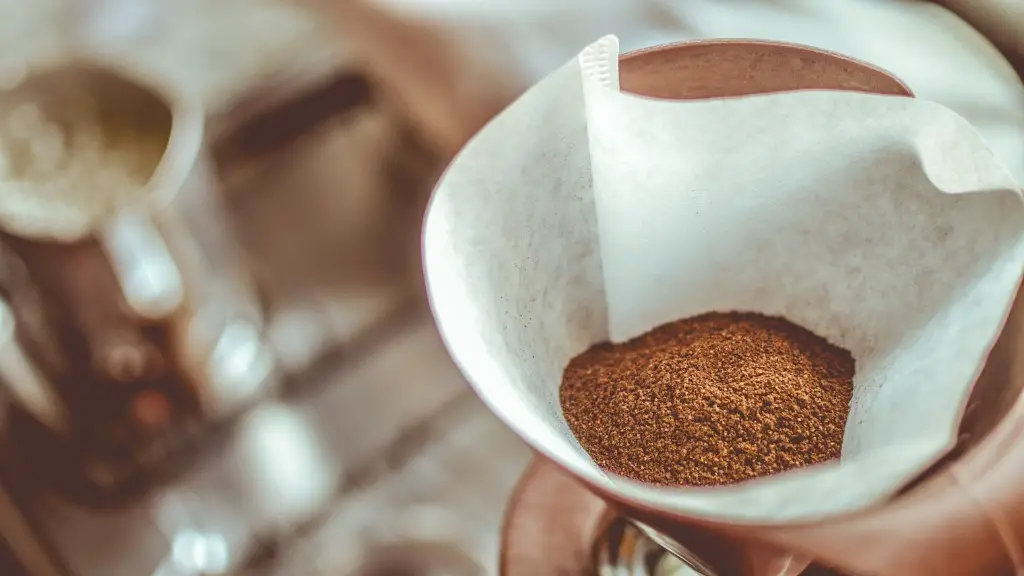
Overall, drinking decaf coffee can be a healthy choice for those who want to reduce their caffeine intake without sacrificing flavor or health benefits.
Disadvantages of Decaf Coffee
Drinking decaf coffee may not provide the same benefits as regular coffee, such as increased alertness and a boost in energy. Decaffeinated coffee is also missing many beneficial compounds found in regular coffee, such as antioxidants, which are known to help fight diseases. Additionally, decaffeinated coffee may contain small amounts of caffeine, which can disrupt sleep patterns and cause anxiety in some people. Furthermore, some methods used to remove the caffeine from the beans can leave a bitter taste and add chemicals to the coffee that may be harmful to your health.
Overall, while drinking decaf coffee isn’t necessarily bad for you, it does not provide many of the same benefits as regular coffee. Therefore, if you’re looking for an energy boost or an antioxidant-rich drink, you might be better off drinking regular coffee instead.
How is Decaffeinated Coffee Made?
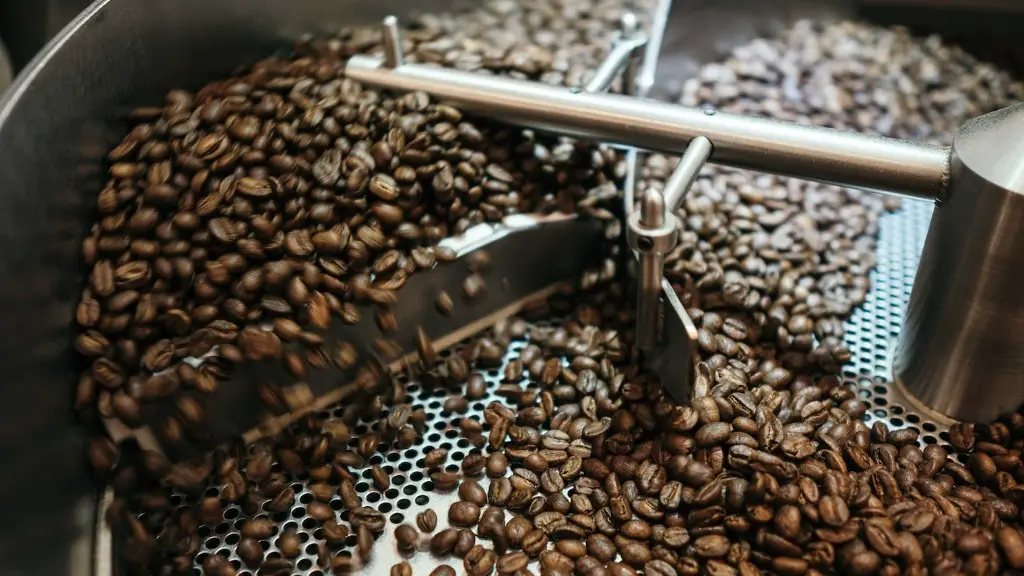
Decaffeinated coffee is made by using a process that removes caffeine from the beans. The beans are first steamed or soaked in hot water, which opens up the pores in the bean and allows the caffeine to be removed. Then, either an organic solvent such as methylene chloride or ethyl acetate is added to draw out the caffeine, or carbon dioxide is used to extract it. Finally, the beans are dried and re-roasted to bring out their flavor.
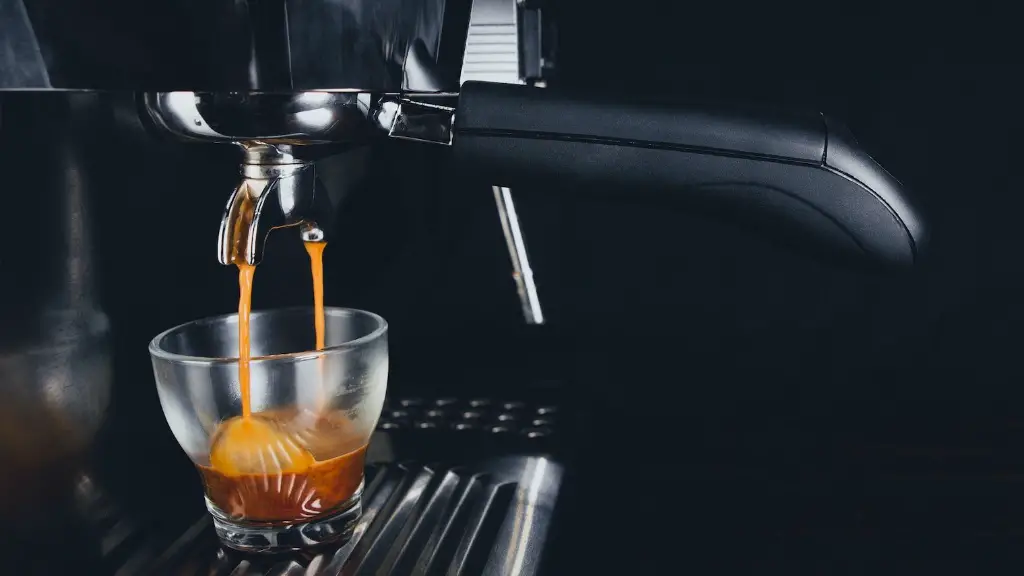
When it comes to drinking decaf coffee, it can be just as healthy as regular coffee but with less caffeine. Decaf coffee still has antioxidants and other beneficial compounds that are naturally found in coffee, so it can provide some of the same health benefits as regular coffee. However, it should be noted that some of these compounds may have been removed during processing. Therefore, those looking for the most nutritional benefits should opt for organic decaffeinated coffees whenever possible.
The Different Types of Caffeine Content in Decaffeinated Coffee
Decaffeinated coffee is a popular beverage choice for those seeking to reduce their caffeine intake. While it does contain some caffeine, it contains much less than regular coffee. Decaf coffee is created using one of two methods – chemical solvents or water processing. Both methods are effective but can produce different levels of caffeine content in the final product.
Chemical solvent-extracted decaf coffee generally has a higher caffeine content than water-processed decaf because the solvents used to remove the caffeine leave behind some residual traces of the stimulant. The amount will vary depending on the type and strength of solvent used, as well as how long it is left in contact with the beans. Generally speaking, chemical solvent-extracted decaf contains between 5 and 15 milligrams of caffeine per cup.
On the other hand, water-processed decaf has a much lower caffeine content due to the fact that it uses no solvents. Instead, this method passes hot water through the grounds to extract most of the caffeine from the beans without leaving any trace behind. As a result, water-processed decaf typically contains just 1 to 5 milligrams of caffeine per cup – making it almost as low as herbal tea in terms of its caffeine content.
So, is drinking decaffeinated coffee bad for you? In general, no – unless you have an underlying medical condition that means you need to restrict your caffeine intake even further than what’s found in decaf coffee. Otherwise, drinking decaf can still provide you with some health benefits and allows you to enjoy your favorite beverage without worrying about excess stimulation.
Does Decaffeinated Coffee Contain Health Benefits?
Decaffeinated coffee has a significantly lower amount of caffeine than regular coffee, and has been shown to have some potential health benefits. It can provide antioxidants, which may help reduce the risk of some chronic diseases. It may also help protect against type 2 diabetes and liver disease. Decaffeinated coffee also contains a small amount of minerals and vitamins, including calcium, magnesium, and potassium. However, it should be noted that decaffeinated coffee is not a substitute for a balanced diet.
Overall, drinking decaf coffee does not appear to provide any significant health risks. However, research indicates that people who drink large amounts of decaf coffee may be at increased risk for certain types of cancer. Therefore, it is important to limit consumption if you are concerned about your health.
Alternatives to Regular and Decaffeinated Coffee
Coffee is a popular beverage choice, but many people are looking for alternatives to regular and decaffeinated coffee. Fortunately, there are several healthier options available. These include herbal teas, rooibos tea, yerba mate, roasted grain beverages, and chicory root coffee. Herbal teas are made from dried herbs and provide a variety of flavors without any caffeine. Rooibos tea is naturally caffeine-free and has a sweet flavor. Yerba mate is a South American beverage with slightly more caffeine than a cup of decaf coffee, but also contains antioxidants. Roasted grain beverages are made from grains such as barley or rye, and offer an earthy flavor without the caffeine. Chicory root coffee is made from the roasted roots of the chicory plant and is popular in New Orleans-style cafes. There are many delicious alternatives to regular and decaffeinated coffee that can satisfy your taste buds while keeping you healthy!
Is Drinking Decaf Coffee Bad for You?
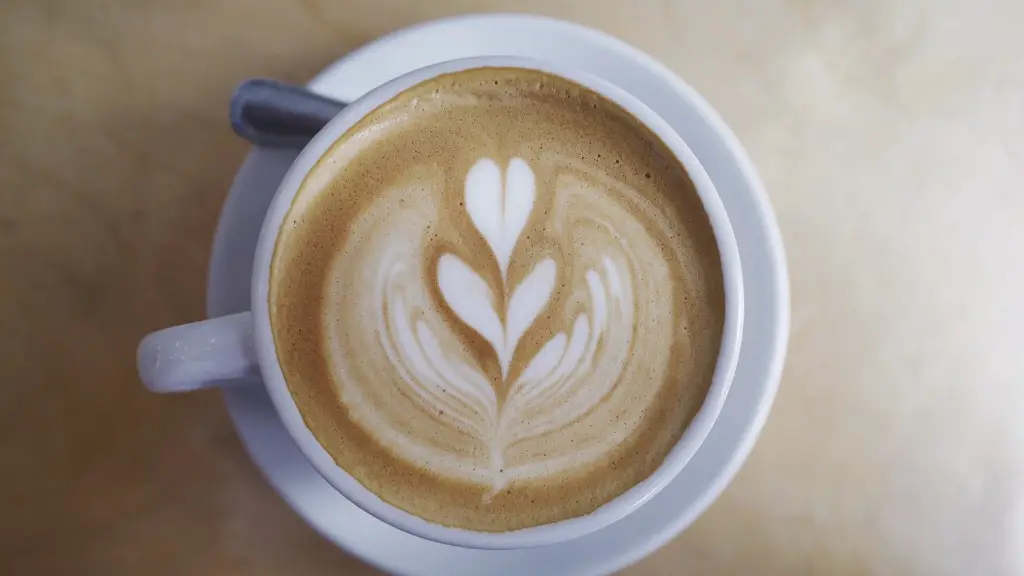
Decaffeinated coffee is a great option for those looking to reduce their caffeine intake, but like anything else, it still should be enjoyed in moderation. While drinking decaffeinated coffee is generally safe, it is possible to drink too much and it can have some adverse effects on your health. Too much decaf can lead to insomnia or restlessness due to the small amount of caffeine still present in the drink. Additionally, drinking large amounts of decaf can cause dehydration as it has a diuretic effect. Lastly, drinking too much decaf can also lead to feelings of jitteriness as the stimulant effects of caffeine still remain in trace amounts. Therefore, it is important to remember that while drinking decaf coffee is generally a safe option, moderation should still be practiced when consuming this beverage.
Final Words
Decaf coffee has many health benefits and is generally safe for most people to consume. It contains a few essential nutrients, and it may even help protect against certain diseases. However, it also contains some caffeine, so it’s important to monitor your intake if you’re sensitive to the effects of caffeine. Overall, drinking decaf coffee can be beneficial for your health.
In conclusion, decaf coffee can be a great part of a healthy lifestyle. It can provide numerous benefits and may even help reduce the risk of certain diseases. However, it’s important to note that too much of anything can be bad for you, so be sure to monitor your daily intake in order to maintain balance in your diet.
