Energy drinks and coffee are two popular beverages consumed by many individuals. Both drinks have varying levels of caffeine and provide consumers with energy. However, do energy drinks have more caffeine than coffee?
This is a question that has been debated for quite some time. While energy drinks may contain more caffeine per serving than coffee, this does not necessarily mean that they are the better choice for a more potent energy boost. Coffee contains other beneficial compounds not found in energy drinks, such as antioxidants and essential minerals. Ultimately, the choice between coffee and an energy drink depends on the individual’s preference and needs.
Caffeine Content in Coffee and Energy Drinks
Caffeine is an essential ingredient that can be found in both coffee and energy drinks. Caffeine has become a popular stimulant for many individuals looking to increase their energy levels. The amount of caffeine in coffee and energy drinks can vary greatly, depending on the source and the brand. On average, a cup of coffee contains about 95 milligrams of caffeine, while an energy drink can contain anywhere from 50 to over 500 milligrams of caffeine per can or bottle. The amount of caffeine in energy drinks is therefore often significantly higher than the amount contained in coffee. It is important to pay attention to the labels when consuming either beverage, as excessive consumption of either can have serious health implications.
Health Benefits of Coffee and Energy Drinks
Coffee and energy drinks both offer a variety of health benefits, with some differences between the two. Coffee has been found to reduce the risk of certain diseases, such as type 2 diabetes. It can also improve cognitive function, help with depression, and reduce the risk of certain types of cancer. Energy drinks, on the other hand, are full of caffeine which can give you a boost in focus and concentration. They also contain other beneficial ingredients like vitamins and minerals that can help you stay healthy.
When it comes to caffeine content, coffee generally has more than energy drinks. Depending on the type and size of drink ordered, coffee can have anywhere from 50-200 mg of caffeine while energy drinks typically range from 50-150 mg. However, when it comes to health benefits it’s important to consider the other ingredients in each product as well as their overall calorie count.
Health Risks Associated with Energy Drinks
Energy drinks contain large amounts of caffeine and other stimulants, which can pose a health risk when consumed in large quantities. Caffeine in energy drinks is often higher than that of a cup of coffee, making it easy to consume too much of the stimulant. Overconsumption of energy drinks has been linked to anxiety, insomnia, stomach problems, heart palpitations, high blood pressure, and even death in extreme cases. It is important to be aware of the potential risks associated with drinking energy drinks and to always read the label before consuming. Furthermore, people who are particularly sensitive to caffeine should avoid energy drinks altogether or limit their intake. Drinking plenty of water is also recommended when consuming energy drinks as dehydration can occur if too much caffeine is consumed.
Overall, moderation is key when it comes to drinking energy drinks as overconsumption can lead to serious health risks. It is best to consult with a doctor before drinking energy drinks if you have any underlying health concerns or are pregnant or nursing.
Impact of Caffeine on Sleep Quality
Caffeine is a stimulant that has been widely-consumed by people all around the world, often to help them stay alert and energized. However, it can also have a detrimental effect on sleep quality due to its ability to reduce the amount of time it takes to fall asleep and decrease total sleep time. Some energy drinks contain more caffeine than coffee, so it is important to be mindful of how much caffeine you are ingesting so as not to disrupt your sleeping habits.
Studies have shown that regular consumption of caffeine can lead to higher levels of anxiety and poorer sleep quality. Taking in too much caffeine can cause an individual to feel restless, leading them to be unable to fall asleep or stay asleep for long enough periods of time. Additionally, frequent intake of caffeine can interfere with the body’s natural circadian rhythm which regulates when someone should feel alert and when they should feel tired. Consequently, this could result in feeling exhausted during the day instead of well-rested.
In order for someone to improve their sleep quality, it is recommended that they limit their intake of caffeine or avoid it entirely if possible. This means reducing the number of energy drinks they consume or replacing them with decaf coffee beverages. Additionally, avoiding late-night snacks that contain high amounts of caffeine can also help improve their overall sleeping habits. By taking these steps, individuals will be able to rest better and wake up feeling more energized.
Factors That Affect Caffeine Levels in Beverages
Caffeine levels in beverages can depend on a variety of factors, including the type of coffee or energy drink, brewing method, and the amount of beans or powder used. Coffee and energy drinks are two popular caffeinated drinks that contain different amounts of caffeine. Generally, coffee has more caffeine than energy drinks, but there are exceptions to this rule depending on the specific drink. For example, some types of espresso and specialty coffees may contain higher levels of caffeine than certain energy drinks.
The brewing method also can affect the amount of caffeine in a beverage. For instance, coffee brewed using a French press will have more caffeine than drip-brewed coffee because the grounds are steeped for longer in hot water. Similarly, espresso made with finely ground beans yields more caffeine than espresso made with coarser grounds.
Finally, the amount of coffee beans or powder used to make a beverage can impact the level of caffeine it contains. Generally speaking, using more beans or powder will result in a stronger cup of coffee and thus have more caffeine. It is important to note that there is no “standard” serving size when it comes to brewed coffee or energy drinks. Therefore, it is essential to read labels carefully to determine how much caffeine is contained in each product before consuming it.
Differentiating Between Good & Bad Sources of Caffeine
Caffeine is a drug found in many common foods and beverages, and it can be both beneficial and detrimental to our health. While it is widely known that coffee is a good source of caffeine, energy drinks are becoming increasingly popular as well. But do energy drinks have more caffeine than coffee?
The short answer is yes, energy drinks tend to contain higher levels of caffeine than coffee. Energy drinks often have between 80-200 milligrams of caffeine in a single serving, compared to coffee’s 95-200 milligrams. Additionally, energy drinks often contain other stimulants like guarana or taurine which can further increase the effects of the caffeine.
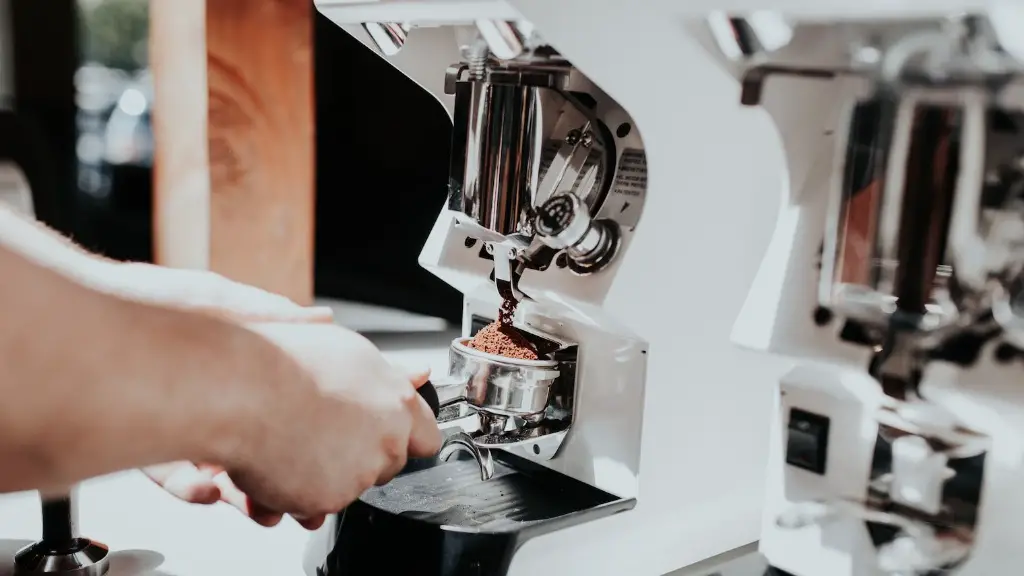
However, it’s important to remember that not all sources of caffeine are created equal. While energy drinks may give you an extra boost of energy, they also come with potential risks such as increased heart rate and blood pressure. On the other hand, coffee has a number of positive benefits, including improved mental alertness, enhanced physical performance, and a host of antioxidants which can help protect your body from disease.
So while energy drinks may provide more caffeine than coffee in one serving, it’s important to consider the potential risks associated with consuming large amounts of these products.
The End
In conclusion, energy drinks contain more caffeine than coffee, though the exact amount varies greatly depending on the brand. Most energy drinks contain between 70-200 mg of caffeine per serving, while coffee contains 80-135 mg per 8-ounce cup. In addition, many energy drinks contain other stimulants such as guarana and taurine that can increase alertness. Therefore, those looking for a boost in energy should consider consuming an energy drink rather than coffee.