
Coffee is a popular beverage for many people, especially for those who need an extra boost of energy throughout their day. While it is generally considered safe to drink coffee during your period, it is important to understand the potential effects and risks associated with drinking coffee on your menstrual cycle.
Coffee contains caffeine, which can act as a diuretic and increase dehydration. This can cause symptoms such as fatigue, cramps and headaches, which are already common during menstruation. Additionally, it can also lead to an irregular menstrual cycle or cause hormonal imbalances. Therefore, it is important to be aware of how much coffee you are drinking and the impact it may have on your menstrual cycle.
Risks of Drinking Coffee During Period
Drinking coffee during your period can have some serious risks. Caffeine can increase the intensity of cramps and make them last longer, as well as cause dehydration and fatigue. It can also disrupt your sleep patterns, making it difficult to get a good night’s rest. In addition, drinking too much coffee can increase anxiety and irritability, which may worsen PMS symptoms. It’s important to be aware of how much caffeine you’re consuming during your period.
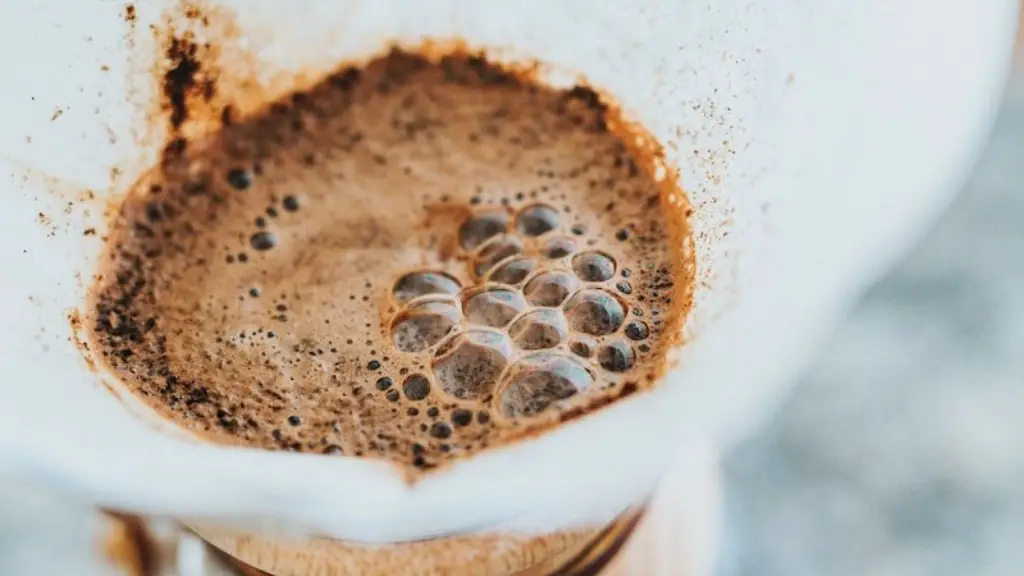
If you want to enjoy a cup of coffee while on your period, it is important to consider the amount of caffeine you are consuming. It is recommended that you limit your intake to one or two cups a day, as too much caffeine can lead to unwanted side effects. Also, it is important to stay hydrated by drinking plenty of water with your cup of joe as it helps reduce the effects of caffeine on your body. Finally, if you notice any adverse effects such as increased cramping or sleeplessness after drinking coffee, it is best to stop drinking it altogether until after your period has ended.
In conclusion, drinking coffee during your period may pose some risks depending on the amount consumed and individual sensitivity. It is important to be mindful of the amount consumed and if any adverse reactions occur then it may be best to abstain from coffee until after the menstrual cycle has ended.
Caffeine Intolerance and Periods
Caffeine has been a popular beverage choice for centuries, but what happens when you have caffeine intolerance and get your period? Caffeine can affect how the body metabolizes hormones, and it can also cause dehydration and cramping. For those who are caffeine intolerant, it may be best to limit or avoid caffeine during their period, as it can worsen symptoms. For others, drinking small amounts of coffee or tea may be beneficial in relieving cramps. It is important to listen to your body and experiment with different amounts of caffeine to find what works best for you.
Caffeine isn’t the only way to manage period cramps. Exercise has been found to help with pain relief, as well as herbal remedies like chamomile tea or ginger capsules. Taking a warm bath or using a heating pad on the abdomen are also good ways to relieve cramps naturally.
If you think you may have a caffeine intolerance, it is important to talk with your doctor about what is best for you and your body. They can recommend lifestyle changes or medications that may help alleviate your symptoms. It is also important to stay hydrated while on your period and make sure you’re eating plenty of nutritious foods. Eating healthy can make all the difference when it comes to managing cramps during your period.
Remember that everyone’s body reacts differently to caffeine, so it is always best to experiment with different amounts before deciding what works for you!
How Much Caffeine Is Safe?
Caffeine is a stimulant that can have an effect on your body and mind. Generally speaking, it is safe for adults to consume up to 400 mg of caffeine per day. However, depending on individual tolerance, certain individuals may be more sensitive to the effects of caffeine and should adjust their consumption accordingly. Consuming too much caffeine can lead to jitteriness, restlessness, insomnia, and other undesirable side effects.
When it comes to drinking coffee on your period, there is no definitive answer as everyone is different. Some people find that a cup of coffee helps them feel more alert and energized during their period while others may find that it worsens their symptoms. If you do choose to drink coffee on your period, it’s important to keep in mind the amount of caffeine you are consuming and be aware of any potential side effects. It’s best to start with a small amount and adjust from there if needed.

Ultimately, understanding how much caffeine is safe for you will depend on factors such as your weight and sensitivity level. Paying attention to how your body reacts after consuming caffeinated beverages can help you decide if it’s the right choice for you during your period or not.
Alternatives to Coffee During Periods
Drinking coffee during your period can be tricky. Caffeine can increase cramping and bloating, and for some, it can also lead to hormonal imbalances. For those who want to avoid coffee during their monthly cycle, there are plenty of other caffeine-free options that can provide a healthy boost of energy. Herbal teas such as chamomile, ginger, and lemongrass are great alternatives that can promote relaxation and reduce symptoms like headaches, cramps, and bloating. Additionally, hot lemon water is a great way to stay hydrated while soothing the stomach. For those looking for something sweeter, adding a bit of honey or maple syrup to hot water with a squeeze of lemon is a delicious way to stay energized without the use of caffeine.
Effects of Too Much Caffeine in Your System
Caffeine is a stimulant that is found in many food and beverage products, including coffee. While moderate amounts of caffeine are generally safe for most people, consuming too much can have negative effects on your health. These effects may include headaches, jitteriness, insomnia, and an increased heart rate. Too much caffeine can also lead to dehydration and an imbalance in electrolytes. It can also cause anxiety and irritability, especially if consumed in large amounts.
When it comes to drinking coffee while on your period, it is important to note that caffeine can affect hormone levels. This could potentially disrupt your menstrual cycle or cause other issues related to hormones. Therefore, it is best to limit your consumption of caffeine while on your period or opt for decaf coffee instead. Additionally, make sure to stay hydrated and get plenty of rest during this time as well. Drinking plenty of water throughout the day can help counteract any negative effects from too much caffeine.
Dehydration and Its Effects on the Body
Dehydration occurs when the body does not have enough fluids, leading to a drop in blood volume. The body needs adequate fluids to keep cells functioning properly and to help organs work efficiently. Without sufficient fluids, a person may experience fatigue, headaches, and dizziness. Long-term dehydration can lead to organ failure and even death. It is important for people to consume enough fluids on a daily basis in order to stay properly hydrated.
Coffee is typically not recommended for periods because it can cause dehydration. Caffeine acts as a diuretic, meaning that it can increase the amount of fluid lost through urine. This can lead to an imbalance of electrolytes in the body, causing fatigue and other symptoms of dehydration. Caffeine also stimulates the nervous system, which can worsen cramping during menstruation. It is best to stick with water or other non-caffeinated beverages while menstruating. Other beverages such as herbal teas or smoothies are also good options for staying properly hydrated without added caffeine.
The End
Overall, drinking coffee during your period is generally safe and may even have some benefits. While it’s still important to stick to moderate amounts of caffeine, there is no need to completely abstain from coffee if you’re on your period. Although some people may experience adverse effects such as insomnia or digestive issues, these are usually mild and can be easily managed. Therefore, enjoying a cup of joe while menstruating is perfectly acceptable.