Everyone needs a little caffeine boost in the morning, and one of the most widely available sources is Starbucks. But how much coffee goes into each cup, and what else contributes to that signature taste?
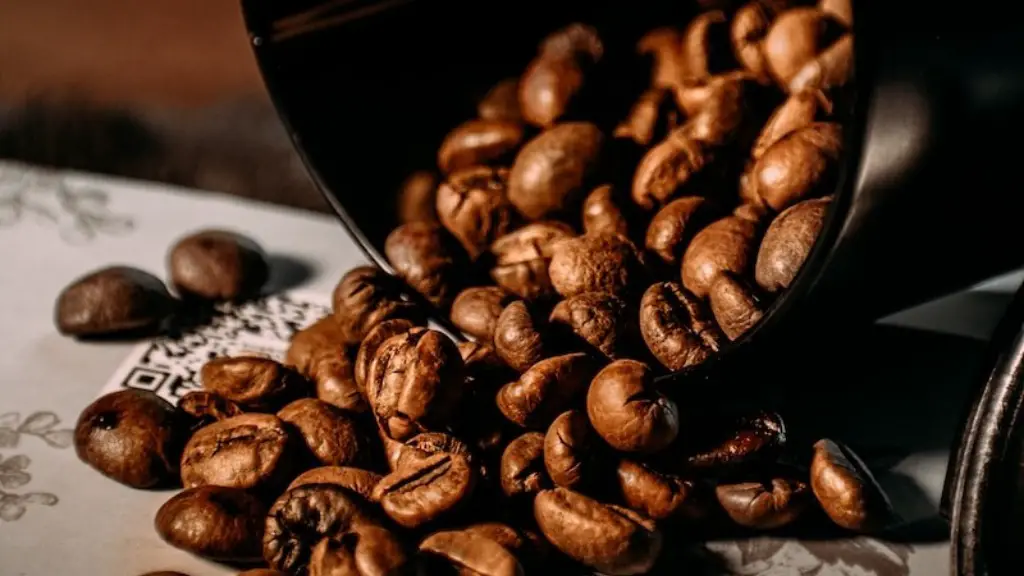
The secret behind Starbucks’ signature brew is a combination of roast and brew technique, which is designed to bring out the best in the coffee beans. The company roasts its beans for a longer time than most, creating a distinctive rich flavor. A single cup of Starbucks coffee contains approximately 2.75 tablespoons of freshly ground beans.
To create a cup of coffee, Starbucks typically uses 10-11 grams of coffee grounds per 20 oz of water, resulting in a ratio of 55 grams of coffee grounds to 1 liter of water. This ratio is slightly higher than the more standard 48grams to 1 liter ratio used by most other coffee brewers.
When it comes to specialty drinks, the amount of coffee can vary significantly. For example, a single espresso shot contains 7-8 grams of ground beans, while a double shot contains 14-15 grams. A latte contains approximately 2.5-3 ounces of espresso. For Frappuccinos, the amount of coffee is usually around 3-4 ounces.
The amount of coffee used in Starbucks’ drinks varies depending on the drink size, as well as regional variations. A Venti size of a drink contains significantly more coffee than a Grande size, for instance. Starbucks also offers coffees with different beans, each with a distinct flavor. Light roasts contain more caffeine than dark roasts, and Starbucks locations in different countries may use different beans.
When it comes to overall caffeine content, espresso has significantly more than brewed coffee. A Grande size Americano contains between 155-200mg of caffeine, while a single shot of espresso contains 75-150mg. The caffeine content of other specialty drinks varies depending on the ingredients and the size of the drink.
The Variations and Health Benefits of Coffee
In addition to the variety of coffee beans used by Starbucks, the coffee chain also offers different types of milk, flavors, and toppings that can significantly impact the flavor of the drink. Some of the most popular include almond milk, half and half, coconut milk, cinnamon, nutmeg, and whipped cream.

There are also a number of health benefits associated with consuming coffee. Studies have suggest that coffee can help reduce the risk of stroke, Parkinson’s disease, liver disease, and type 2 diabetes. Caffeine also has the potential to improve memory and alertness and may even protect your skin from the sun.
However, it’s important to note that the health benefits of coffee are not the same for everyone. Some people may be more sensitive to caffeine and experience adverse side effects such as insomnia, restlessness, and irritability. It’s also important to note that regular consumption of coffee can lead to caffeine dependency.
Brewing Process of Starbucks
The brewing process used by Starbucks also needs to be taken into account when looking at how much coffee goes into each cup. Starbucks has a two-step brewing process, which involves first brewing and then pressing the coffee. During the first step, the coffee beans are ground and the coffee is brewed with hot water. During the second step, the coffee is further pressed for better extraction and to produce a stronger cup of coffee.
The two-step process also allows Starbucks to be able to control the amount of time the coffee stays in contact with the hot water, resulting in stronger and more flavorful coffee. The process also helps preserve the natural flavor of the beans, as well as the coffee’s aroma, which is essential to the signature Starbucks flavor.
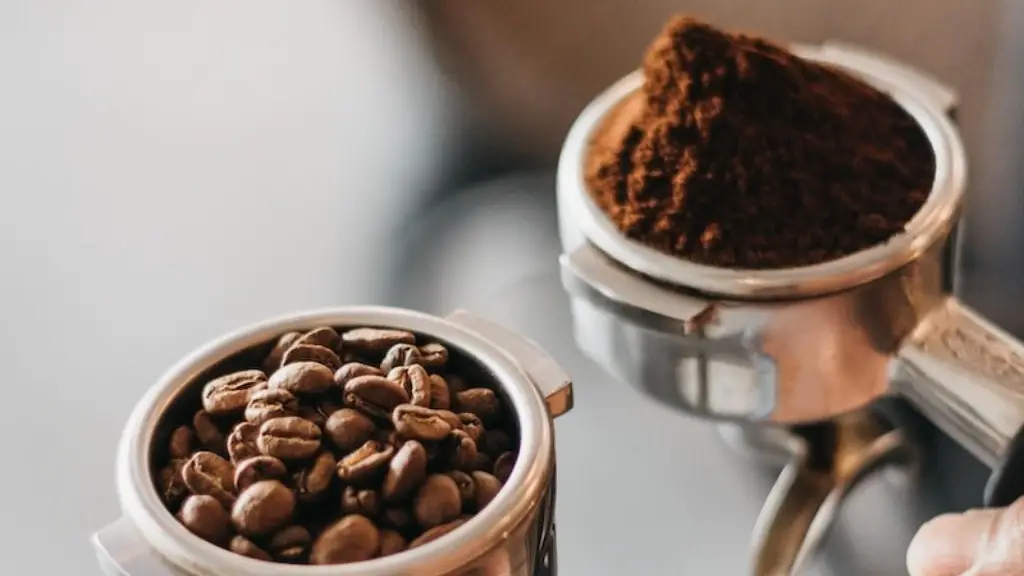
Starbucks also takes the time to carefully measure and adjust the grind size and water temperature. This helps to ensure a consistent quality of coffee and that each cup tastes the same. The company also pays close attention to the water source, using filtered water to remove microscopic particles that can affect the taste of the coffee.
Environmental Benefits of Coffee Brewing
In addition to providing a delicious cup of coffee, the brewing process used by Starbucks also offers some environmental benefits. For instance, Starbucks’ two-step brewing process is more efficient than traditional methods and requires less energy and water. Starbucks’ grounds are also compostable and can be used as fertilizer for plants.
In terms of sustainability, Starbucks sources its coffee from farmers that practice sustainable farming methods. The company also works with organizations such as Conservation International to preserve and restore ecosystems across the world. Starbucks is committed to having 100 percent ethically sourced coffee beans by 2020.
The Effect of Starbucks Coffee
It’s no secret that Starbucks coffee has become a cultural phenomenon. But what does the worldwide reach of Starbucks mean for the coffee industry? It’s clear that Starbucks has had a major impact on the preferences of consumers, as well as the development of other coffee shops and chains.
The popularity of Starbucks has prompted other coffee shops to adopt similar brewing techniques, as well as a wide variety of specialty drinks, in order to compete. Starbucks has also inspired many entrepreneurs to open their own coffee shops and has helped to create a vibrant and competitive coffee industry.
However, Starbucks’ reach and influence has been criticized by some for homogenizing the coffee industry and reducing the regional variations that make different coffee cultures unique. Large-scale coffee production has also increased the amount of waste created by the industry, and some argue that Starbucks has only exacerbated this problem.
The Best of Starbucks Coffee
Above all, however, there’s no denying that Starbucks has perfected the art of creating a delicious cup of coffee. Whether you like brewed coffee or espresso-based drinks, Starbucks has something that fits the bill. And with so many options available, you’re sure to find the perfect cup of coffee to enjoy anytime.
In addition to traditional coffee drinks, Starbucks also offers a variety of seasonal drinks and signature blends. The company also offers a rotating selection of flavored coffees and syrups, from classic favorites like hazelnut and vanilla to seasonal specialties like pumpkin spice and white chocolate.

For those looking for something a bit different, Starbucks also has a selection of herbal teas, frappuccinos, and even cold brew coffee. There’s something for everyone at Starbucks, making it the ultimate coffee experience.
The Cost of Starbucks Coffee
As one of the most recognizable coffee brands in the world, Starbucks is also known for its higher prices than other coffee shops. While Starbucks drinks tend to be pricier than those at other retailers, there are a number of things that help justify the cost—such as the high quality coffee beans, the two-step brewing process, and the variety of specialty drinks available.
In addition, Starbucks also offers a loyalty program that rewards customers with discounts and free drinks. These rewards are based on the number of points earned through purchases and can add up to significant savings over time. Starbucks also offers a variety of discounts and coupons throughout the year.
Finally, many people find that Starbucks’ prices are worth it for the atmosphere and experience. Starbucks has a cozy, warm atmosphere and friendly baristas that make it a great place to relax and enjoy a delicious cup of coffee.
The Impact of Starbucks Around the World
Starbucks has become a global phenomenon, with locations in 61 countries. In addition to providing delicious coffee, Starbucks also brings employment opportunities, economic growth, and the preservation of local cultures.
In many cities, Starbucks has become a meeting point for people to come together and connect. Starbucks has also become a popular tourist spot, with many people seeking out the unique experience that only Starbucks can offer.
Outside of its cafes, Starbucks also partners with organizations such as the Global Impact Program and the World Cocoa Foundation to make a positive impact in the communities in which it operates. Starbucks also works with charity organizations such as Water.org, Alliance for Coffee Excellence, and The Rainforest Alliance.
Overall, Starbucks has had a major impact on the coffee industry and the world. With its signature flavors, specialty drinks, and commitment to sustainability, Starbucks has become a staple for coffee lovers everywhere.
