
Statistics
Starbucks, the largest coffee house business in the world, is estimated to use between 480 and 600 million pounds (218 – 272 million kilograms) of coffee beans each year. This is broken down into 380 million (172 million kilograms) of Arabica coffee and 140 million (63.6 million kilograms) of robusta coffee beans. In terms of volume, this equates to seven million (3.18 million kilograms) of beans each day. Starbucks purchase the majority of their green beans from around thirty countries, including Ethiopia, Colombia, Mexico and Guatemala, among others.
Background
Before the company could use so many coffee beans, Starbucks had to embark on a lengthy process to source and develop high-quality beans. In the late 80s and early 90s, the company invested millions of dollars in buying high-quality beans and developing relationships with local farmers. Today, Starbucks’ green coffee buying allows the company to purchase beans made up of complex flavor profiles, ensuring that all its products have high-quality and consistent flavors no matter which outlet they are purchased from.
Resources and Training
In order to ensure that the beans sourced and used by Starbucks are of the highest standard. As such, they use a highly detailed system that tracks and evaluates each batch of coffee beans. The company also provides resources and training to the local farmers and cooperatives that supply the beans, allowing them to improve the quality of the harvested beans. Additionally, local Starbucks employees are repeatedly trained in the processes of ‘cupping’ to taste and evaluate the beans.
Storage and Roasting

The beans imported by Starbucks are stored in climate controlled warehouses for up to one year to preserve their freshness. The beans are then roasted in one of eighty-nine roasting facilities located across the world, ensuring that their flavor is consistent. Starbucks roasts each type of bean to a particular recipe that was developed over time to bring out the specific flavor qualities of each bean.
Cost
The costs associated with procuring coffee beans are quite high, with some coffee producers estimating that the costs of coffee were two to three times higher than in the past. Despite this, Starbucks is committed to paying premium prices for coffee beans in order to support local farmers and cooperatives that supply the beans. Additionally, the company is committed to sustainable farming practices and has begun investing in projects to support coffee farming operations.
Packaging and Distribution
Starbucks works with a range of partners to package their coffee beans. The beans are then distributed through the company’s wholesale partners, which include wholesale shops as well as grocery stores. The company also distributes its coffee beans via its own retail locations and through its website.
Conservation Initiatives
In addition to the efforts that Starbucks makes to ensure that its coffee beans are of high quality, the company has also implemented a number of conservation initiatives to help protect the environments in which the coffee is grown. Starbucks has invested in projects such as the preservation of natural forests, the protection of water resources, and the promotion of sustainable agriculture. The company is also part of the Sustainable Coffee Challenge, a global initiative aimed at making the coffee industry more sustainable.
Environmental Impact
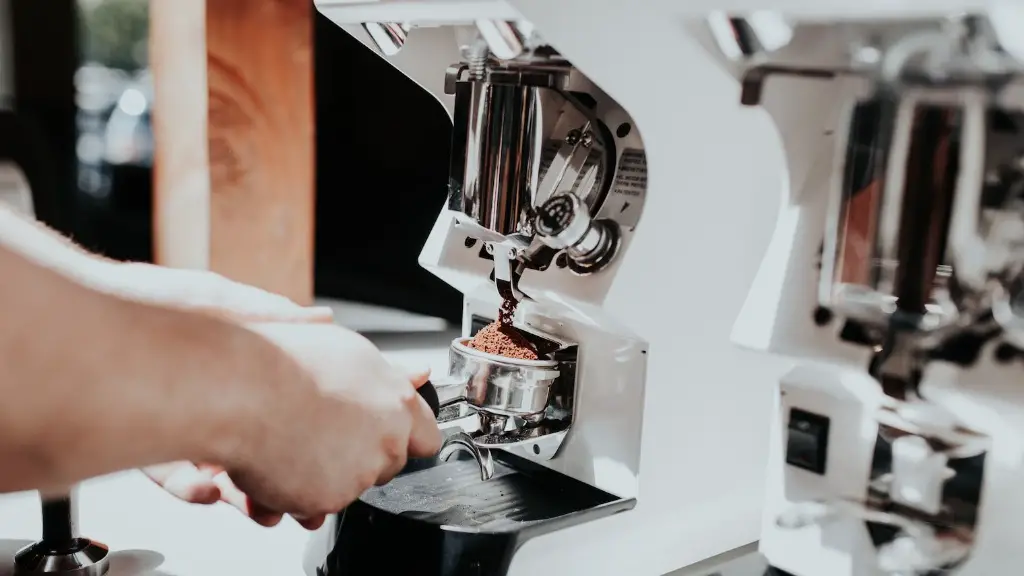
Although Starbucks’ use of coffee beans has had a positive effect on the lives of farmers, it has also had an environmental impact. Coffee production, especially high-volume production for large companies, can contribute to deforestation, water scarcity and pollution. Starbucks is actively working to reduce its environmental impact, most notably by investing in methods of sustainable farming and reducing the use of plastic packaging in its retail stores.
Consumer Perception
The majority of consumers perceive coffee to be a commodity, and as such, many people believe that no amount of money can buy quality beans. While this may be true in some respects, the high-volume production of beans done by Starbucks requires substantial resources and input, meaning that the quality of the beans depends largely on the company’s ability to ensure that they purchase high-quality beans and provide the necessary resources and training. As such, the perception of coffee as a commodity is misguided as it ignores the effort and resources required to produce high-quality coffee beans.
Difference in Roasts
Starbucks’ use of coffee beans is distinguished by the variety of roasts available. While there are three main types of roasts – light, medium and dark – Starbucks offers a range of roasts varying from the lightest to the darkest, allowing customers to choose a roast that suits their taste. Additionally, the company offers an array of flavored coffees and espresso blends, all of which require different roasts of beans.
Coffee Processing
Coffee processing is an essential part of Starbucks’ use of coffee beans, allowing the company to create unique and consistent flavors. The two main processing methods used by Starbucks are dry processing, which involves drying the coffee beans by either sunlight or mechanically, and wet processing, which involves the beans passing through a series of tanks, and then drying them. Starbucks’ commitment to providing the best beans available means that the company ensures rigorous standards of processing, which results in consistently high-quality coffee beans.
Organic Certification

Although Starbucks does not use certified organic coffee beans, the company has a commitment to offering premium organic and fair trade certified coffees. Starbucks is also committed to sustainability, and works with partners and a range of certification programs to ensure that their coffees are responsibly sourced, managed, and grown.
Community Involvement
Starbucks is known for its commitment to community involvement, both in terms of its use of coffee beans and in terms of its social and environmental programs. The company works with local communities and farmers to ensure that the coffee sourcing and production processes are conducted ethically and in accordance with sustainable farming practices. Additionally, Starbucks has a strong focus on supporting local businesses and creating economic opportunities for people in the third-world countries where its beans are sourced.
