
When it comes to coffee, few are as iconic as Starbucks. The coffee titan has seen explosive growth across the world, and few can deny the quality – and wide variety – of coffee options available. But a pressing question is how much caffeine is actually in a cup of Starbucks coffee?
The answer is nuanced – in part because there are so many coffee options, and in part because Starbucks does not publicly provide an exact amount of caffeine for its coffee. Most scientists agree, however, that a single shot of espresso has 65 milligrams of caffeine and a cup of drip coffee usually has about 120 milligrams.
Even within those general guidelines, a cup of Starbucks coffee could range from 75 milligrams to over 200, depending on the size, roast, and blend of the coffee. Generally, the darker the roast, the more caffeine will remain as it will burn off with lighter roasts.
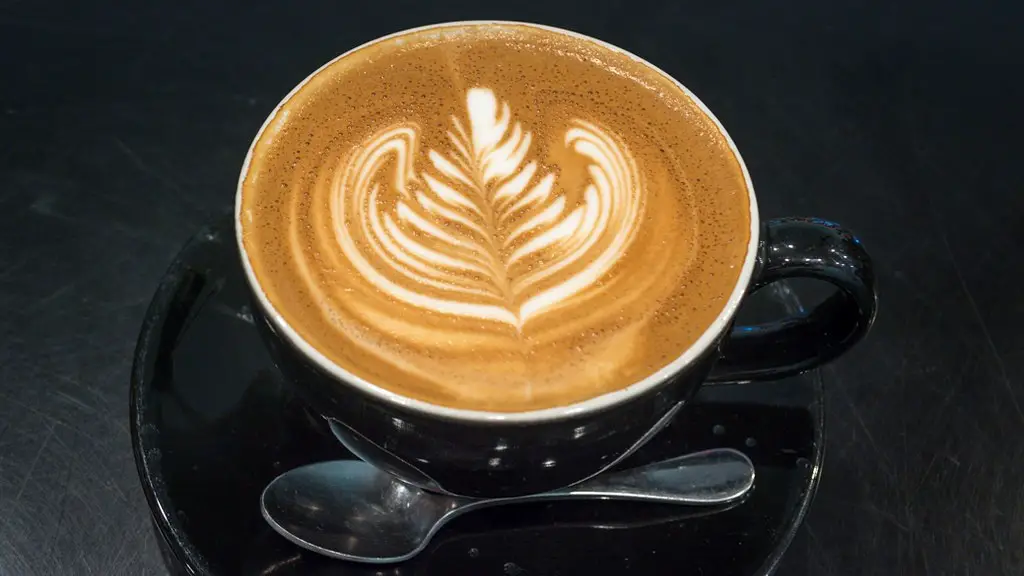
Coffees with more caffeine, such as Blonde Roast, tend to have a less intense taste and lack depth of flavor. Conversely, coffees with less caffeine, such as a French Roast, will be quite intense in flavor and taste.
Moreover, with newer Starbucks options, such as Cold Brew and Nitro Cold Brew, the exact caffeine content is still unknown, as none of the three options – Cold Brew, Iced Coffee, and Nitro Cold Brew – have been tested for exact caffeine content.
In addition, some specialty drinks, such as Frappuccino blended beverages, may contain even more caffeine due to the additional ingredients. A grande Mocha Cookie Crumble Frappuccino is estimated to contain 75 milligrams of caffeine, or about 4 shots of espresso.
Caffeine Intake By Other Beverages
It is important to note that caffeine consumption does have a recommended upper limit, which is about 400 milligrams per day for healthy adults. Given those limits, it is important to consider the amount of caffeine found in other popular beverages.

A tall cup of Starbucks drip coffee ranges from 260-360 milligrams of caffeine, while a tall cup of Keurig K-Cup coffee has 180 milligrams, a tall Lipton Black Tea has 75 milligrams, a can of Red Bull has 80 milligrams, and a can of Monster Energy Drink supplies a whopping 200 milligrams of caffeine.
It is also important to note that caffeine consumption should always be at the discretion of the individual. A study from the American Psychological Association found that people’s sensitivity to caffeine varies greatly, and this sensitivity changes greatly depending on the individual’s gene pool.
Knowing ones body and the amount of caffeine consumed is the most important factor in seeing the most benefit and avoiding potential unwanted side effects.
Caffeine Nutrition
Caffeine has become a regular part of many people’s diets, so it is important to consider the effects of caffeine on the body as well. Studies have found that moderate caffeine intake – approximately two to four cups of coffee per day – can have positive benefits, such as improved alertness, improved metabolic rate, and improved blood flow.
However, too much caffeine can lead to jitters, irritability, and even insomnia, among a myriad of other effects. Certain groups should also take caution when consuming caffeine – pregnant women, the elderly, and people with heart conditions, for example.
Ultimately, moderate amounts of caffeine can be beneficial, but it is important to combine moderate caffeine intake with a nutritious diet, regular exercise, and healthy sleeping patterns.
Effects of Coffee Beyond Caffeine
Caffeine is not the only component in coffee and other popular beverages, so it is important to consider the effects of other key ingredients. Coffee is known to contain essential enzymes, vitamins, and minerals, as well as bioactive compounds such as chlorogenic acid, quinides, and trigonelline. These compounds, known as polyphenols, have been found to have positive effects on the body ranging from reduced risk of type two diabetes, reduced inflammation, and improved heart health.
Moreover, coffee has other beneficial effects beyond health. Coffee farmers around the world generate much-needed income, and coffee has become an integral part of culture and social activities. Studies have shown that, if enjoyed in moderation, coffee can have positive psychological effects – boosting happiness and sense of well-being.
Coffee Alternatives
For those who cannot consume coffee due to sensitivities, dietary restrictions, or other reasons, there are options. Decaffeinated coffee has all the flavor with none of the buzz.
Moreover, coffee alternatives, such as chicory coffee, decaf teas, and herbal teas, have become popular in recent years. While these alternatives do not have the same buzz as a traditional coffee, some have slightly stimulated properties, such as Yerba Mate, and all have beneficial enzymes, vitamins, minerals, and polyphenols that can come from coffee.
Exclusive Variations of Coffee
Starbucks, being a leader in the coffee industry, offers some exclusive variations of coffee, such as the Kopi Luwak. This exclusive type of coffee is highly priced at $40 for a 9-ounce cup and is made from the beans of coffee berries that have been eaten by the Asian Palm Civet, a cat-like animal.
The enzymes inside the civet’s digestive system convert proteins into acids that break down the bean, giving the coffee a unique and smooth flavor. Such an animal-friendly and sustainable alternative is a more expensive and solid alternative to the traditional cups of coffee.
Adverse Health Effects Due to Excessive Consumption
Excessive consumption of any beverage, caffeinated or not, can cause adverse health effects. As previously mentioned, 400 milligrams of caffeine is generally accepted as an upper limit for healthy adults. Consuming too much caffeine can lead to increased heart rate, elevated blood pressure, and a decrease in blood sugar.
Moreover, too much caffeine can lead to waves of anxiousness, restlessness, and in some cases, headaches. Finally, it is important to note that caffeine consumption should be monitored for people with certain conditions, such as cardiovascular disease, under the advice of their doctor.
Disadvantages Of Caffeine Consumption
Caffeine consumption should also be monitored for pregnant women and those with insomnia. Caffeine has been known to keep people awake and can cause discomfort in expectant mothers. Caffeinated beverages can also lead to dehydration and imbalance of electrolytes, and make it more difficult to recover from strenuous exercise.
Finally, caffeine can disrupt certain medications, and those taking regular medication should monitor their caffeine consumption and consult with a doctor if necessary to avoid complications.
Caffeine vs. Decaffeinated Coffee
Understanding the difference between caffeinated and decaffeinated coffee can help individuals make more informed decisions about their consumption. Decaffeinated coffee is made by steaming the coffee beans and then running it through a hydroxylation process, which removes most of the caffeine.
Decaffeinated coffee tends to be less bitter and lacks the signature ‘jolt’ that comes with caffeinated beverages. Caffeine-free options, such as herbal teas, can provide a more gentle stimulation, with no jitters and no withdrawal.
Conclusion
In conclusion, it is important to understand that Starbucks coffee can range in caffeine content from 75 milligrams to over 200. Knowing one’s body and the amount of caffeine consumed can help maximize the beneficial effects and minimize the potential adverse effects of consuming too much caffeine.
Moreover, the beauty of coffee is that there are many alternatives, such as decaffeinated, cold-brew and herbal teas, all of which can provide varying levels of stimulation and health benefits at one’s discretion.
