Age Matters
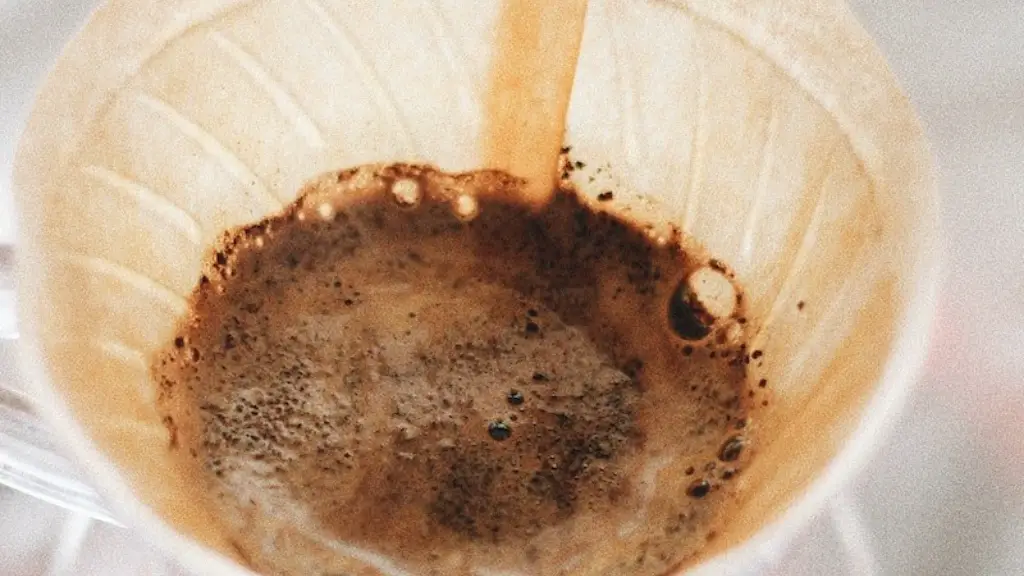
The age of the ground coffee is one of the major factors that determine how fresh it is. Generally speaking, freshly ground coffee can be expected to taste much better than preground coffee, as the flavor of freshly ground beans is always superior to that of preground beans. Starbucks grinds the beans at its facility and packages the ground coffee immediately, so they stay as fresh as possible.
The type of roast of the Starbucks ground coffee can also determine its freshness. Dark roasts, for example, can stay fresh longer compared to medium or light roasts—particularly when ground coffee is sealed and stored properly. But, even if the best storage guidelines are met, the flavor of a dark roast will fade after about eight weeks.
Storing Ground Coffee
To extend the life of Starbucks ground coffee, it’s essential to protect the beans from air, moisture and heat. To do so, it’s important to store them in an airtight container that can’t be easily accessed by pests. The container should also be opaque and placed in a cool, dry place away from direct sunlight. Ideally, Starbucks ground coffee should be stored in the freezer, as this provides optimal protection from air and moisture.
When storing ground coffee in the freezer, it’s important to use a tightly sealed container. Otherwise, the coffee can absorb the odors and flavors of other items in the freezer. Additionally, it’s important to only take out the amount of ground coffee needed for a single serving at a time, as coffee left in the container can quickly begin to lose its flavor due to oxidation.
Maintaining Quality
In addition to proper storage, some other simple guidelines can help maintain the quality and freshness of Starbucks ground coffee. One is to avoid drinking the ground coffee after it has been exposed to air for longer than 15 minutes; even if the coffee is properly stored, air exposure can damage its flavor. Another is to avoid stirring and/or shaking the container — this can also damage the flavor and reduce its quality.
It’s also important to avoid grinding the coffee beans too harshly, as this can reduce the amount of essential oils that enhance the flavor. And, lastly, it’s important to avoid buying too much coffee at once. Generally, it’s a good idea to buy only what is needed for a few weeks at a time, as this ensures that the ground coffee will always be fresh and of the highest quality.
Effects of Acidity and Humidity
In terms of quality, the acidity and humidity levels of the environment in which Starbucks ground coffee is stored can have a significant effect, particularly if the beans are not sealed properly. Acidity breaks down the flavor molecules and can, over time, weaken the flavor, while too much humidity can make the beans soggy and cause them to spoil. Therefore, when choosing a storage location, it can be beneficial to ensure that the environment is not too acidic or humid.
It’s also important to consider the effects of odors, as they can alter the flavor of the coffee if stored in the same container. In that case, it can be beneficial to package the ground coffee in containers made with special odor-resistant materials, so as to minimize the risk of it absorbing unwanted aromas.
Signs of Spoilage
It can be difficult to tell when Starbucks ground coffee has gone bad, as their flavor can degrade gradually and subtly over time. That said, the most common sign of too much age or a poor storage environment is a musty aroma, which indicates that the oil has evaporated from the beans—this is an indication that the coffee is no longer fresh.
Additionally, if the ground coffee is stored in a container that is not airtight, it can begin to form a crust. This indicates that it has absorbed too much humidity and is at risk of spoiling.
Buying in Bulk
Many people like to buy Starbucks ground coffee in bulk to save money, but it’s important to keep in mind that if it’s not used relatively quickly it may spoil. Therefore, it can be beneficial to stick to only buying as much ground coffee as you are likely to need in the near future.
It’s also important to remember that Starbucks coffees come in two main varieties—premium and standard quality. Premium-quality coffees, such as Verona, Tribute Blend and Signature Blend, are typically more expensive than standard-quality coffees. Therefore, it can be beneficial to buy only what you are likely to need in the near future and just stick to the standard-quality coffees, as this can help to reduce waste.
Cost Versus Quality
When it comes to Starbucks ground coffee, it’s important to understand that cost usually goes hand in hand with quality. Generally, premium-quality coffees are more expensive than standard-quality coffees, and this is largely because the flavor and aroma of the former are considered to be superior. As such, it may be beneficial to invest in high-quality ground coffee, as it is likely to taste and smell better.
At the same time, it’s important to bear in mind that the price of a particular type of ground coffee is not necessarily an indication of its quality. That said, it can be helpful to have a general understanding of Starbucks’ various quality levels, as this can help to ensure that you are buying the best-quality products.
Brewing Process
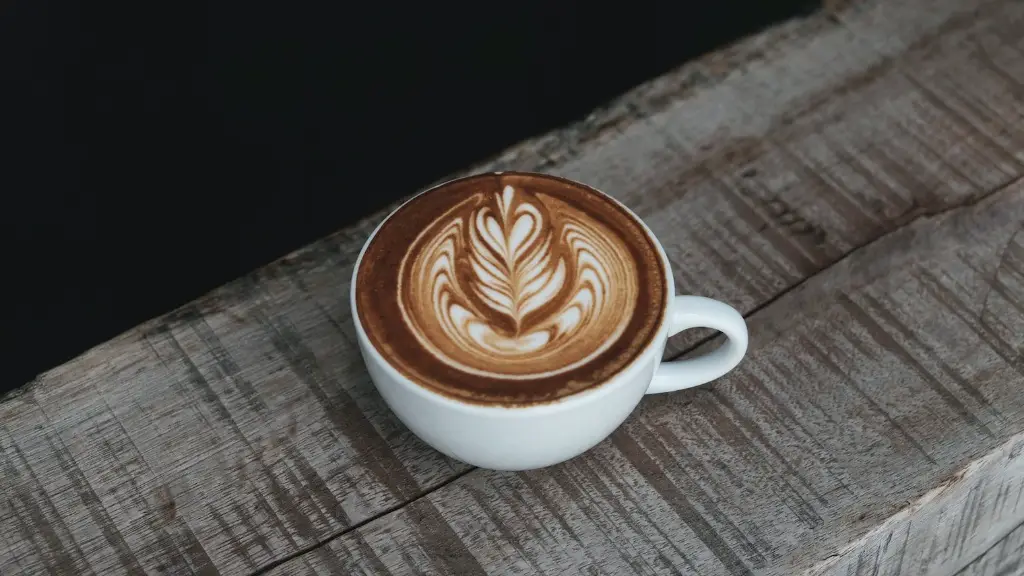
The brewing process is another important consideration when it comes to Starbucks ground coffee. To ensure the best flavor, one can use the right equipment, water temperature and grind setting — each of which can help to bring out the best in each cup of freshly brewed coffee. For example, a burr grinder is more preferred than a blade grinder, as it produces a more consistent texture and size. In terms of water temperature, it’s important to remember that the optimal temperature for brewing goes up with different roast levels, while the grind setting should be adjusted so that it produces a rich flavor.
Additionally, it is essential to choose the right filter. French presses, paper filters and metal filters are amongst the most commonly used types. One should also bear in mind that, regardless of the types of brewing equipment used, the coffee should be consumed soon after it is brewed—Starbucks ground coffee is best enjoyed when consumed within 15 minutes of brewing.
Reusing the Grounds
Despite Starbucks’ best efforts to ensure optimum freshness, when the flavor diminishes, the coffee grounds should not be reused. There have been reports of negative health impacts from coffee grounds being used more than once. In addition to the added perceived risk of using them multiple times, the grounds will produce a weaker flavor in the brewed coffee.
However, that doesn’t mean the grounds have to go to waste; instead, they can still be used in other areas. For example, coffee grounds can be used as a natural fertilizer for indoor plants and as a preservative for countering food spoilage. Additionally, they can be used to clean surfaces and even to create a subtle scent.
Trying Different Varieties
When it comes to Starbucks ground coffee, it’s important to remember that it comes in a wide variety of different types, each of which has a unique flavor. Some coffees are dark and smooth, while others are light and slightly acidic. Additionally, espresso roasts tend to be more intense and full-bodied than single-origins.
Because of the wide range of flavors available, it can be worth trying out various types in order to find the one that best suits your taste. That said, however, it’s important to remember that the flavor of a particular coffee may change over time, so it can be beneficial to buy in small quantities, stick to premium-quality products and always check the expiration dates.
Tasting Notes
When assessing a particular Starbucks ground coffee, one should take note of its aroma, flavor profile, acidity and body. As a general rule, if the aroma of the coffee is weak, it indicates that it’s either old or has been poorly stored. Additionally, if the flavor is too acidic or overpowering, it’s likely that the roast is too dark. And, if the coffee is lacking body, this could indicate that it’s stale or not fresh.
Even when grounds that have been stored correctly have been used, tasting notes will still change over time. In particular, the sweetness of the coffee may diminish after a few weeks, while the acidity levels may increase as the coffee ages. Consequently, it’s important to bear in mind that the flavor notes of particular batches of Starbucks ground coffee could be slightly different.