Can I Drink Coffee Everyday When Pregnant?
For many pregnant women, the first thought in the morning is, “Can I still drink coffee while I’m pregnant?” Coffee is a hot and beloved beverage all over the world. Women have to often worry that even though it’s wonderful and tasty, can it be dangerous to their health or their unborn baby. According to medical studies, a moderate to low daily intake of caffeine is considered safe and healthy during pregnancy.
Caffeine is a stimulant that helps increase energy and alertness. It is naturally present in coffee, tea, chocolate, and some energy drinks. It is also added to many processed food and drinks as an additive. Too much caffeine can lead to serious health issues and that is why pregnant women need to be very cautious when it comes to caffeine consumption.
The Mayo Clinic recommends pregnant women to not consume more than 200mg of caffeine a day, which is about the amount in one cup of coffee. Studies suggest that drinking coffee up to 200 mg a day is safe for pregnant women, but excessive amounts can lead to health complications.
In a 2015 study published in the Journal of American Medical Association, researchers looked at about 3,000 women who had up to 200 mg of coffee or more a day throughout their pregnancies. The researchers concluded that there was no difference between these women and those who consumed less than 200 mg of caffeine a day in terms of their baby’s birth weight, length of stay in the hospital, or development.
However, there is still a lot of disagreement among researchers and doctors regarding whether or not pregnant women should drink coffee. Some believe that it is okay to drink coffee, but moderation is key. Others argue that it’s best to avoid caffeine altogether.
It is important to keep in mind that every pregnancy is different and that each woman needs to make her own decision. Talk to your doctor about it if you have questions and concerns about drinking coffee while pregnant.
What Are the Effects of Drinking Too Much Coffee?
Drinking too much coffee can lead to a variety of health issues, including increased heart rate and blood pressure. Caffeine can also be associated with an increased risk of miscarriage, preterm delivery and low birth weight babies, which is why the American College of Obstetricians and Gynecologists recommends limiting coffee to 200 mg a day or less.
Drinking too much coffee can also lead to dehydration, jittery sensation, and restlessness. Caffeine is a diuretic, which means it can increase the amount of urine your body produces. This can lead to electrolyte imbalance and dehydration, which can be dangerous while pregnant.
It is also important to keep in mind that it takes some time for caffeine to clear your body. It is usually recommended that pregnant women should avoid drinking coffee close to bedtime to reduce any impact on their sleep.
Pregnant women should also be cautious about the other ingredients in coffee and espresso. Lattes, for example, often contain added sugars and fats that can increase your calorie intake and could cause weight gain.
Alternatives to Drinking Coffee While Pregnant
If you are pregnant and can’t or don’t want to drink coffee, there are some healthier alternatives that can give you the same energy boost. Decaf coffee can be a great option as it contains much smaller amounts of caffeine.

Herbal teas are also a good option as they contain no caffeine, but still have the same warming, calming effect as drinking coffee. Try adding some lemon, honey or spices for extra flavour.
Smoothies are an excellent alternative as they are delicious and nutritious. You can try blending some fruits and vegetables with a bit of protein powder for an energy boost.
Green juice is also a great option, as it is packed with vitamins and minerals. Try adding some leafy greens, ginger and lemon to get an energy boost.
Should I Avoid Other Caffeine Products When Pregnant?
It is best to avoid more sources of caffeine during pregnancy besides coffee. Energy drinks, for example, are packed with caffeine and other compounds that can be harmful for pregnant women.
Chocolate is another source of caffeine and should also be avoided. While chocolate is an excellent source of antioxidants, it also contains a hefty amount of caffeine. Eating too much chocolate while pregnant can put you at risk of consuming too much caffeine.
If you love tea, make sure to steer clear of chai and other caffeinated teas. Herbal tea is a better alternative as it contains no caffeine.
It is also best to avoid pre-packaged snacks, like chips and granola bars, as they sometimes contain caffeine as an additive. Instead, try having some fresh fruit or vegetables for a snack.
Tips for Avoiding Too Much Caffeine While Pregnant
If you do decide to consume coffee while pregnant, it is important to keep your intake of caffeine as low as possible. Here are some tips that can help:
- Limit your coffee intake to 2-3 cups per day.
- Always read the labels when buying energy drinks, pre-packaged snacks or any other products that may contain caffeine.
- Drink plenty of water throughout the day so you don’t get dehydrated.
- Swap coffee or lattes for herbal tea.
- Snack on fresh fruits and vegetables throughout the day.
Things to Keep in Mind When Drinking Coffee While Pregnant
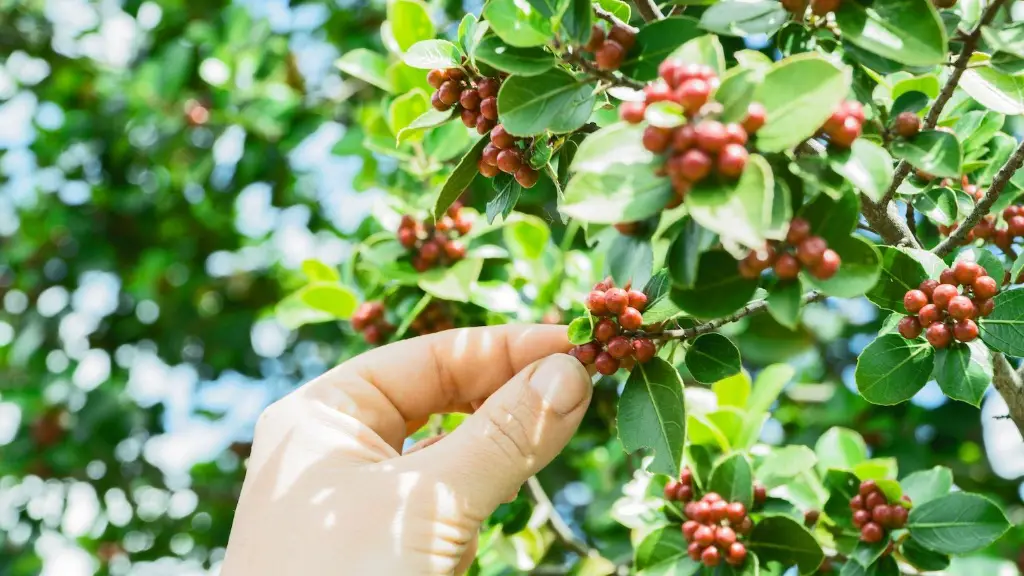
Consuming too much caffeine can lead to serious health issues during pregnancy, so it is best to be mindful of how much coffee you are drinking. Talk to your doctor about the risks and benefits of coffee and make sure to follow his/her advice. Once you have made an informed decision, try to stick with it and keep your intake as low as possible.
It is also important to keep in mind that pregnancy is a delicate time for some women, so it is best to stay away from any products that can potentially cause health complications. To reduce your risk of any health issues due to caffeine, focus on eating a balanced diet, getting plenty of rest, and drinking plenty of water to stay hydrated.
Caffeine and Fertility
Caffeine can have an effect on your fertility and can lead to difficulty conceiving. Studies suggest that women who consumed more than 500mg of caffeine a day have lower levels of fertility and a higher risk of miscarriage.
It is best to limit caffeine consumption when trying to conceive. While more research is needed to confirm the connection between caffeine and fertility, it is best to be cautious and reduce the amount of caffeine you consume.
Conclusion
Drinking coffee while pregnant can be safe and healthy, but it is important to be mindful of how much you are consuming. Talk to your doctor about the risks and benefits of drinking coffee and make sure to follow his/her advice. If you decide to drink coffee, make sure to limit your intake to no more than 2-3 cups per day and steer clear of other sources of caffeine and processed foods.
