
Can I Drink Decaf Coffee When Breastfeeding?
When you become a new mother, one of your top priorities is ensuring that your baby gets the proper nutrition and growth. As a result, it’s only natural to be curious as to whether drinking decaf coffee while breastfeeding is something that is safe. With so much conflicting information out there, it can be intimidating to make the right decision. But rest assured that with a careful examination of both the possible risks and the rewards, you will be able to make the best decision for yourself and your baby.
It is important to understand the differences between regular coffee and decaffeinated coffee when it comes to breastfeeding. Regular coffee contains caffeine, which can make its way into the bloodstream and circulate into the baby’s bloodstream. Decaffeinated coffee, on the other hand, has had much of the caffeine removed through a chemical process, reducing the amount of caffeine that can pass into your baby through your breast milk. While experts still are unsure as to the exact effects of caffeine when breastfeeding, many point to the generally accepted research which suggests most babies can handle small amounts of caffeine in their mother’s milk without issue.

It is always important for parents to stay mindful about what their diet consists of, and the same goes for when breastfeeding. Nutritionists recommend that nursing mothers stick to a balanced and healthy diet without relying too much on supplements and extracts. In doing so, mothers can avoid any unnatural, high-caffeine or sugary products that could lead to problems. Ultimately, limiting caffeine intake while breastfeeding is all about striking a balance.
Recently, many health care professionals have come to the conclusion that small amounts of caffeine (no more than 300-400 mg per day) are safe if consumed while breastfeeding. Therefore, most medical professionals agree that limited caffeine intake while breastfeeding won’t lead to any significant complications. However, the decision to consume caffeinated drinks while breastfeeding remains highly individualized, dependent on one’s comfort level, how sensitive the baby is to caffeine, and other considerations.
For mothers who would prefer to limit their caffeine intake, decaffeinated coffee is an option worth considering. While decaffeinated coffee still does contain some levels of caffeine, these are generally considered significantly lower than with regular coffee. Furthermore, more and more coffee manufacturers are moving toward healthier and all-natural coffee roasting methods and decaffeination processes that don’t add any chemical and artificial agents to coffee.
Ultimately, while some mothers choose to eliminate coffee and various caffeinated drinks entirely while breastfeeding, decaffeinated coffee may provide an option for those who are still looking for their daily cup. Taking all these considerations into account, it is important to do what feels best for you personally, and make sure that you determine comfortable levels of caffeine intake for yourself when breastfeeding.
Caffeine & Breastfeeding – Risk vs Benefits
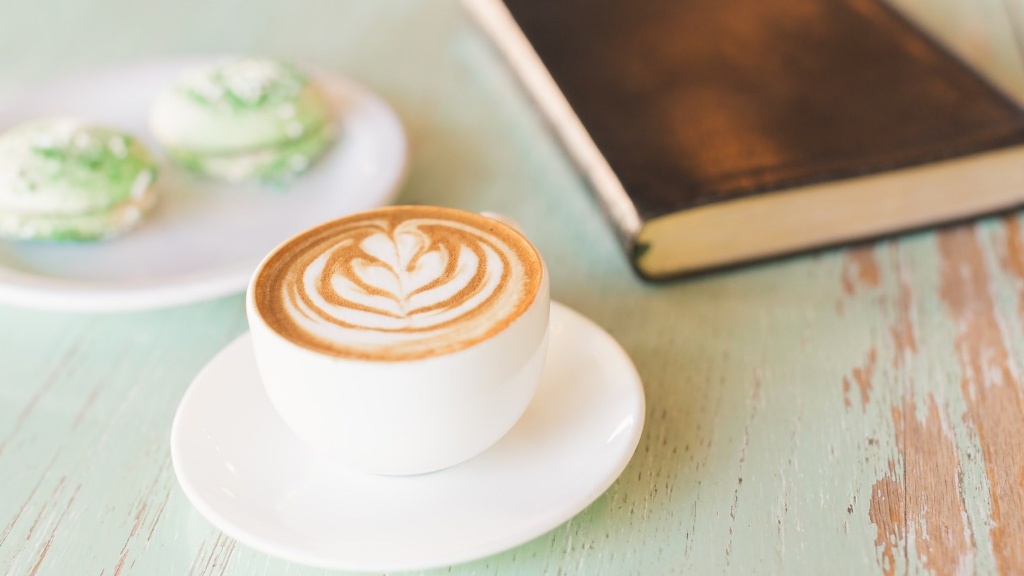
The effects of caffeine intake during breastfeeding are widely debated. Some studies suggest that caffeine intake can have a negative effect on a baby’s development. For instance, a Cochrane Review of 19 studies stated that consuming more than 300 mg of caffeine per day could lead to shorter or interrupted sleep and even a decrease in the infant’s weight gain over six months, though it is important to note that the outcome of this study is still widely contested.
On the other hand, there might be some benefits to consuming caffeine while breastfeeding. For instance, caffeine is thought to stimulate the production of breastmilk while releasing endorphins that could make you feel more energized as a nursing mother. Additionally, many people find that just having a cup of coffee can help boost their mood and even reduce stress.
Therefore, it can be said that there are both risks and benefits to drinking caffeine while breastfeeding. Ultimately, the decision to do so should be made with the help of a certified healthcare professional who can assess your needs and body differently.
Factors to consider before drinking decaf coffee while breastfeeding
When considering whether to drink decaf coffee while breastfeeding, there are many factors to consider. Firstly, it is important to consider caffeine sensitivity. Every person has a different response to caffeine, and only you know how much is too much for you and your baby. Also, caffeine sensitivity can differ greatly between mothers, which is why it’s important to investigate your own sensitivity before making a decision on the matter.
It’s also important to consider your baby’s individual characteristics. For instance, if you have a young baby who is particularly sensitive to stimulants or has a poor sleeping pattern, it may be wise to limit your caffeine intake as much as possible. Likewise, if your baby already has problems with gaining weight or experiences excessive spitting up, it may be wise to reduce your caffeine intake.
Finally, it is important to consider your own health. If you feel that the caffeine is causing you stress or intense feelings of anxiety, then it may be worthwhile to limit the amount of caffeine you are consuming. In this case, decaf may provide an option that still allows you to enjoy your cup of coffee without the worry of exposing your baby to potentially overwhelming quantities of caffeine.
Possible Side Effects of Drinking Decaf Coffee
Though drinking decaf coffee while breastfeeding is generally considered safe, there can still be some risks associated with it. Caffeine can still pass through your body, albeit in much lower amounts than traditional coffee, putting your baby at risk of side effects like restlessness, irritability and even sleep disturbances. Additionally, the chemicals used to decaffeinate coffee can also act as stimulants and pass through your body, putting your baby at risk of developing health problems.
It is important to note that drinking decaf coffee is not risk free. In extremely high quantities, decaffeinated coffee can still put your baby at risk of developing some of the same side effects as regular coffee. Consuming large amounts of decaf coffee every day could create a negative overall environment for your baby and lead to insomnia, restlessness, colic and other health problems.
Conclusion

The decision to drink decaf coffee while breastfeeding remains highly individualized, and should be made with the help of a certified healthcare professional. Before making any decision, it is important to take into account your body’s tolerance for caffeine and motivation for consuming caffeine. Additionally, it is important to factor in the baby’s preferences and specific sensitivities. In doing so, you can ensure that both you and your baby remain healthy and balanced.
