
Coffee is the morning pick-me-up that can start our day off with a bang, while sucralfate is a medication prescribed to treat stomach ulcers, acid reflux, and other issues. Some of us may need to take both, so can we drink coffee after taking sucralfate?
The short answer is yes, as long as you take it in moderation and follow your doctor’s instructions. But it is important to understand the potential side effects and why you may want to speak to your doctor before having coffee while taking sucralfate.
Sucralfate is a medication that binds and forms a protective coating on the lining of your stomach and intestines to reduce irritation and pain associated with ulcers, heartburn, acid reflux, and other gastro-intestinal issues. It can also help protect your stomach from the corrosive effects of certain medications or alcohol.
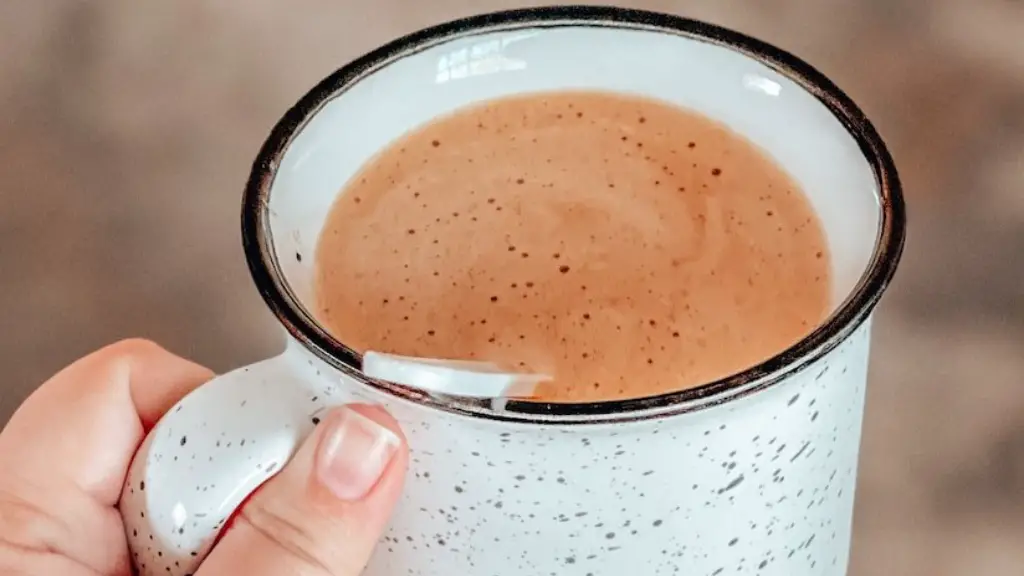
Since caffeine is known to irritate the stomach and can worsen the symptoms for which sucralfate has been prescribed, it is wise to check with your doctor before consuming coffee while taking sucralfate. The acidity of coffee can also reduce the effectiveness of the medication, so you should take the medication at least two hours before drinking coffee.
Besides the potential interference with the medication, caffeine in coffee can also cause dehydration, nausea, heart palpitations, anxiety, tremors, and insomnia if consumed in excess. This is particularly concerning if you are taking sucralfate, since it can irritate the already sensitive lining of your stomach.
Since caffeine is a drug, it can be addictive, so it is important to consult with your doctor before increasing your intake. Caffeine consumption can also make you more alert, so it is good to be aware of its impact when consuming coffee with sucralfate.
Caffeine Sensitivity
Some people are more sensitive to the effects of caffeine than others, so it is important to take into account your own tolerance levels when considering drinking coffee while taking sucralfate. If you find that you are more sensitive, reducing the amount you drink or avoiding coffee altogether is the best course of action.

Caffeine intoxication can also be a concern for people taking certain medications, such as antidepressants or antipsychotics. It is important to consult with your doctor to determine whether combining the two is safe for you.
Regardless of your own sensitivity to caffeine, it is important to avoid drinking coffee on an empty stomach as this can increase the risk of stomach irritation. Therefore, it is best to consume coffee after eating a meal or snack so that the acidic content of the beverage does not irritate your stomach lining.
Finally, if you find that your symptoms worsen after consuming coffee or if you have any other concerns, speak to your doctor. Your doctor will be able to advise you on how to adjust your intake so that you can still enjoy your morning pick-me-up while taking sucralfate.
Caffeine Content
Different types of coffee contain different amounts of caffeine, so it is important to be aware of the caffeine content of the coffee you are consuming while taking sucralfate. The caffeine content of a cup of coffee can range from 50-200 milligrams, depending on the type of blend and brewing method. For example, decaffeinated coffee contains an average of 2 milligrams, whereas a cup of strong espresso can contain up to 200 milligrams.

It is also important to be aware of the sugar content of the coffee you are consuming. Too much sugar can disrupt the balance of bacteria in your gut, leading to digestive problems. If you are drinking coffee to help manage your ulcerative symptoms or other gastrointestinal issues, it is best to avoid adding any extra sugar to the coffee.
In addition, it is important to be aware of other potential additives, such as artificial sweeteners or flavorings, which can also affect your digestion. If you are concerned about potential reactions, stick to natural, unsweetened coffee and minimise the amount of added ingredients to keep your stomach healthy.
Talking to Your Doctor
It is always best to consult with your doctor before drinking coffee while taking sucralfate, as they can help you assess your own tolerance levels and advise you on the best course of action. They may recommend adjusting your caffeine intake or avoiding coffee completely depending on your individual needs.
Your doctor may also suggest ways to reduce the potential irritation caused by caffeine in the stomach, such as taking your medication at least two hours before consuming coffee, or eating a meal or snack before drinking coffee. They may also recommend reducing your intake of coffee, or opting for decaffeinated coffee instead.
It is important to follow your doctor’s instructions and be mindful of how your body reacts to consuming coffee while taking sucralfate. If you find that your symptoms worsen after having coffee, or if you experience any other adverse reactions, stop drinking coffee and contactyour doctor right away.
Food and Drink Interactions
If you are taking sucralfate, it is important to be aware of potential interactions with food and beverages you consume. Although coffee drinking is generally considered safe, it is important to talk to your doctor if you have any concerns.
Sucralfate may interfere with the absorption of other medications, so it is important to take them at least two hours before or after consuming sucralfate to avoid any potential drug interactions. Likewise, it is important to avoid consuming other acidic foods or beverages, such as orange juice, while taking sucralfate.
It is also important to be mindful of how much caffeine you are consuming. Studies have shown that consuming more than 400 milligrams a day can interfere with sleep patterns and increase anxiety levels. This can worsen the symptoms for which you are taking sucralfate, so it is important to monitor your caffeine intake and speak to your doctor if you experience any adverse reactions.
Staying Healthy
Finally, it is important to remember that drinking coffee while taking sucralfate should not be seen as a substitute for taking the medication as prescribed. Furthermore, it is important to practice a healthy lifestyle by getting plenty of rest, eating a balanced diet, exercising regularly, and avoiding alcohol and smoking. These measures can help to maintain your health and well-being and reduce the risk of developing ulcers or other gastrointestinal issues.
It is also important to be aware of the signs and symptoms of an ulcer, such as abdominal discomfort, nausea, vomiting, bloating, belching, andnight-time heartburn. If you experience any of these symptoms, speak to your doctor as soon as possible.
Conclusion
In conclusion, it is possible to drink coffee while taking sucralfate, but it is important to be aware of the potential side effects and talk to your doctor before increasing your intake. Remember to always take your medication as prescribed and practice a healthy lifestyle to keep your digestive system in tip-top condition.
