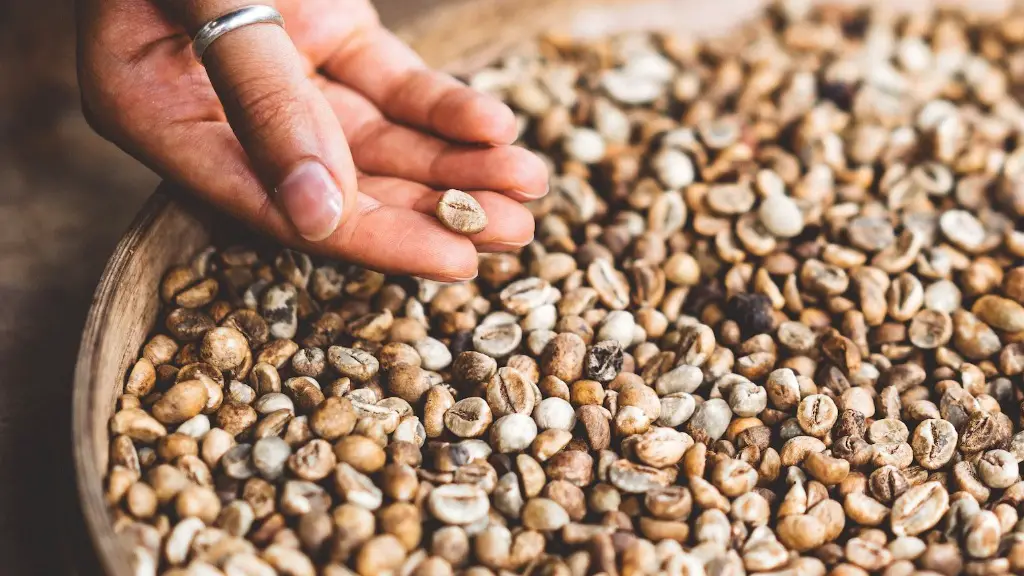
When it comes to dieting and weight loss, many people believe that coffee should be avoided completely. This assumption is based on the notion that coffee is packed with empty calories and can even lead to dehydration. Nonetheless, it turns out that coffee can actually be an important part of a healthy diet and that drinking coffee can help you reach and maintain a healthy weight. In this article, we’ll take a look at the science behind coffee and dieting and discuss how you can integrate coffee drinking into your diet plan.
Recent research has shown that drinking coffee does not interfere with your dieting efforts or cause you to gain weight. In fact, drinking coffee has actually been linked to an increased level of fat burning and a decrease in weight gain. Studies conducted by the American Journal of Clinical Nutrition and the British Journal of Nutrition have both shown that coffee can stimulate the body’s metabolism and cause it to burn more calories. Furthermore, studies have shown that the antioxidants present in coffee can help protect against weight gain, as well as reduce the risk of certain diseases.
When it comes to drinking coffee while dieting, moderation is key. If you are trying to lose weight, you should limit your overall daily intake to between one to four cups of coffee. Drinking more than this amount can lead to palpitations, anxiety and insomnia. Furthermore, it’s important to bear in mind that adding sugar or cream to your coffee can lead to an increase in the number of calories you consume. As such, it’s best to opt for black coffee if you’re on a diet.

That said, there are still some potential benefits to drinking coffee while dieting. For one, drinking coffee can help keep you fuller for longer, which can be beneficial when trying to limit your calorie intake. Additionally, studies have also shown that drinking coffee can help to reduce hunger, cravings and even jitteriness. This makes it easier for you to stick to your diet plan without feeling overly hungry or unsatisfied.
So, despite the common misconception that coffee should be avoided completely when you’re trying to lose weight, there is evidence to suggest that drinking it can actually be beneficial. If you stick to moderate amounts and take the time to look for healthier alternatives, such as black coffee, you should be able to reap the potential benefits of coffee without any of the associated risks.
Health Benefits of Coffee
When it comes to health benefits, there are a few reasons why drinking coffee can be beneficial for those following a diet. First and foremost, coffee is packed with powerful antioxidants that can help improve overall health. Research has shown that these antioxidants can help prevent cell damage, reduce inflammation and even reduce the risk of certain diseases, such as cancer and heart disease. Coffee also contains caffeine, which has been shown to boost energy levels and improve focus and alertness. This can be beneficial when trying to stick to a strict diet, as it can help give you the energy and focus needed to stay on track.
Additionally, drinking coffee has been linked to an increase in metabolic rate, which can also be beneficial for those on a diet. Studies conducted by the International Journal of Obesity have shown that caffeine can lead to a slight increase in metabolism and can help the body burn more calories, leading to an increase in weight loss. Another benefit of consuming coffee is that it can help to regulate insulin levels, which can help aid in weight loss and fat burning.
How to incorporate coffee into your diet

Incorporating coffee into your diet doesn’t have to be hard. In fact, it can be relatively straightforward and simple if you take the time to understand the basics. Firstly, always opt for black coffee if possible, as this has the fewest calories and contains the most beneficial compounds. Additionally, make sure to avoid adding large amounts of sugar or cream to your coffee, as this can lead to an increase in your calorie intake. Finally, to ensure that you don’t overdo it, stick to moderate amounts. Generally speaking, one to four cups of coffee daily should be enough to reap the potential benefits while avoiding the associated risks.
Potential risks of drinking coffee
It’s important to bear in mind that, like anything, there are potential risks associated with drinking coffee. For one, coffee can cause dehydration, especially when consumed in large quantities. Additionally, excessive coffee intake can cause hyperactivity and irritability, as well as increased heart rate and even insomnia in some cases. Finally, coffee can also interfere with the absorption of certain vitamins and minerals, so it’s important to take a multivitamin and ensure that you are getting enough of the essential nutrients.
Alternatives to coffee
If you’re someone who wants to limit their coffee intake while still reaping the potential benefits, there are a few alternatives that you can try. For instance, decaffeinated coffee is an option that still contains many of the beneficial compounds found in regular coffee but without the caffeine. Additionally, green tea is another popular option that is packed with antioxidants and can help boost energy levels while supporting overall health. Finally, herbal teas are also great options, as they are caffeine-free and can help to boost your metabolism and energy.
Science Behind Coffee & Dieting
Although drinking coffee can be beneficial for those on a diet, it’s important to understand the science behind it in order to reap the full potential benefits. Firstly, coffee is packed with antioxidants, which help to protect your cells from damage as well as prevent certain diseases. Additionally, coffee also contains caffeine, which can increase your energy levels and help you stay alert and focused. Finally, caffeine has also been linked to an increase in metabolic rate, which in turn can lead to increased fat burning and weight loss. All in all, the science behind coffee and dieting is indisputable and it can be an important part of a healthy diet.
How to Choose the Right Coffee
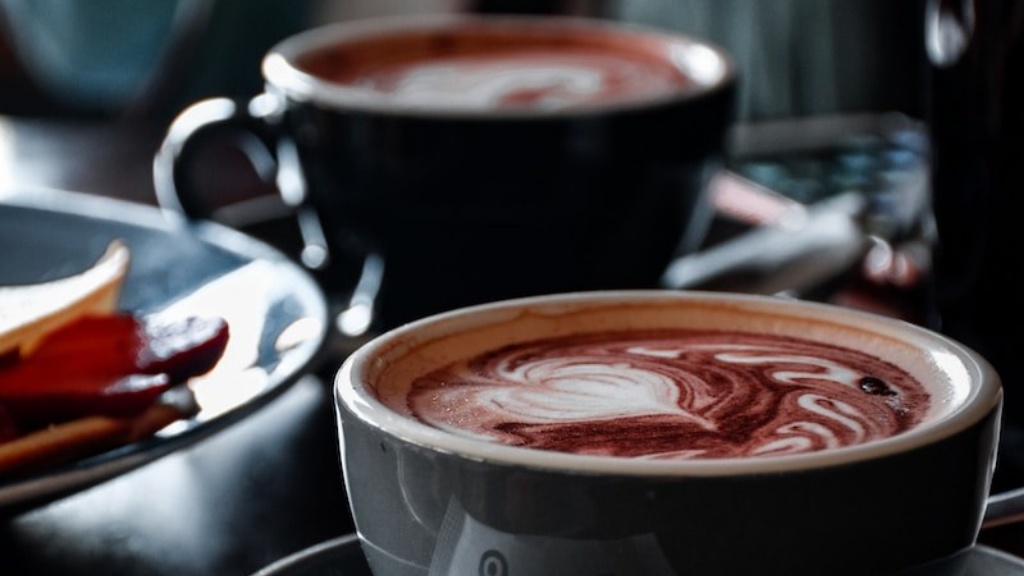
Given the potential benefits of drinking coffee while dieting, it’s important to select the right type. Firstly, always opt for organic coffee if possible, as this helps to ensure that you are avoiding any potential toxins or chemicals. Additionally, light roasts tend to be the best option, as these contain the highest levels of beneficial compounds. Finally, if you want to cut down on calories, consider opting for low-calorie alternatives or opt for a black coffee. Overall, there are many varieties of coffee that you can choose from and finding the right one for you can help you to reap the full potential benefits of coffee while on a diet.
