
Coffee is one of the most widely consumed beverages in the world, and is often thought of as a daily necessity, especially for those who live busy lifestyles. But can you drink coffee after taking omeprazole, a common proton pump inhibitor prescribed to treat acid reflux and other stomach issues? The answer is more complex than a simple yes or no. To help answer this question, let’s explore the effects of coffee and omeprazole on the body and examine the advice given by medical professionals.
Let’s start by looking at coffee. According to medical literature, drinking coffee is typically safe and even healthy if consumed in moderation. Coffee may reduce the risk of certain chronic diseases, increase alertness and performance, and have positive effects on your mood and mental health. However, overconsumption of coffee can have adverse effects on your body, such as increasing blood pressure, reducing nutrient absorption and aggravating certain conditions, like acid reflux.
Now let’s consider omeprazole. Omeprazole is a proton pump inhibitor (PPI) used to treat acid reflux, heartburn, and other conditions. It works by reducing the amount of acid in the stomach to create a more neutral pH. Like coffee, omeprazole is generally safe and effective when used as prescribed. However, misuse or overuse of the medication can lead to serious side effects.

So what do medical professionals recommend when it comes to drinking coffee after taking omeprazole? Generally speaking, doctors recommend avoiding or limiting coffee consumption until the effects of the medication have worn off. While the exact amount of time varies from person to person, most people will experience maximum relief from omeprazole within four to eight hours. As such, it is best to wait at least that long before drinking any coffee. Additionally, experts suggest limiting caffeine intake when taking PPIs, as high levels of caffeine can reduce the effectiveness of the medication.
The situation becomes a bit more complicated when considering decaffeinated coffee. While decaffeinated coffee is lower in caffeine, it still contains some level of the stimulant. Furthermore, the more heavily processed coffee is, the higher it’s acidity will potentially be, which can exacerbate acid reflux symptoms. Therefore, while decaffeinated coffee generally has fewer risks when consumed in moderation, it’s best to wait several hours after taking omeprazole before drinking it.
Finally, consider the amount of coffee you’re drinking. While coffee can be part of a healthy diet in moderation, compared with other drinks, it is high in acidity and caffeine, both of which can be problematic when combined with PPI medications. Therefore, even when consuming coffee after taking omeprazole, it is important to drink it in moderation, and avoid drinking too much.
Types of Coffee
Coffee comes in many different forms, from espresso drinks and traditional brewed coffee, to single-serving instant blends and cold-brewed iced coffees. Depending on the type of coffee you’re drinking, the levels of caffeine and acidity can vary significantly. For example, espresso drinks tend to be higher in caffeine than brewed coffee, while cold-brewed coffees tend to be lower in acidity than traditional brewed blends. Therefore, it is important to consider the type of coffee when deciding how much is safe to drink after taking omeprazole.
Caffeine Alternatives
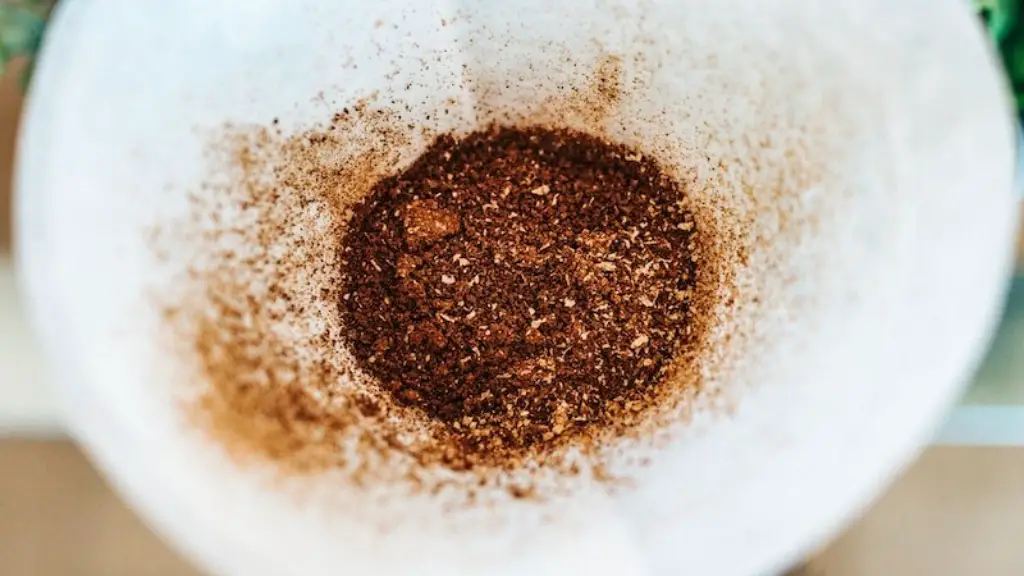
If you enjoy the taste of coffee but are concerned about the potential effects of drinking too much caffeine or combining it with PPI medications, there are a few alternatives you can consider. First, there are many non-caffeinated and/or naturally decaffeinated beverages that contain the flavor of coffee without the stimulant, such as chicory root, dandelion root or carob. You could also switch to decaffeinated tea, which typically has fewer health risks than traditional coffee. Finally, if you enjoy the taste and aroma of freshly brewed coffee but need to limit your caffeine intake, opt for light-roast or medium-roast coffee beans, which tend to contain lower levels of caffeine than darker roasts.
Effects on Heartburn
If you frequently experience heartburn or acid reflux, drinking coffee after taking omeprazole could reduce the severity of your symptoms. This is because the medication works to reduce the amount of acid in the stomach, creating a more neutral pH, while coffee would typically increase the amount of acid in the stomach, potentially worsening the heartburn. Therefore, if you suffer from heartburn and need to take omeprazole, it can help to limit or avoid drinking coffee.
Nutrition and Hydration
While drinking coffee (in moderation) after taking omeprazole is typically safe, consuming too much of it could have a negative impact on your nutrition and hydration levels. Caffeine and other chemicals in coffee can reduce the absorption of certain vitamins and minerals from food and supplements, potentially leading to deficiencies. Additionally, the diuretic effects of caffeine can cause dehydration if consumed in high doses.
Conclusion
Coffee can be part of a healthy lifestyle in moderation, but it’s important to be aware of the potential health risks associated with drinking it if you take omeprazole or other proton pump inhibitors. While drinking coffee after taking omeprazole is generally safe, it is best to wait at least four hours before consuming any caffeine, stick to decaffeinated or naturally decaffeinated coffee, and limit the amount you drink. There are plenty of alternatives available, such as decaffeinated teas or coffee substitutes, so there’s something to suit everyone’s taste and needs.
