
Overview of Candida Diet
A Candida diet is also known as an anti-fungal diet, and involves strictly avoiding sugar and processed carbohydrates, and eating plenty of non-starchy vegetables and healthy, anti-inflammatory fat sources. The aim of the diet is to reduce the levels of yeast, or candida, in your body and counteract the overgrowth of unfriendly bacteria. Strict adherence to a Candida diet allows the healthy bacteria in the gut to repopulate and help prevent further yeast overgrowth and other gut dysfunctions.
Can You Drink Black Coffee on a Candida Diet?
Most nutritionists and dieticians generally advise against drinking coffee on a Candida diet. One of the main reasons for this is the caffeine content of coffee; because it is a stimulant, it can have a toxic effect on the body, causing an energy crash after the initial spike. Caffeine can also be addictive, so drinking coffee can foster an unhealthy relationship with it. For this reason, many people find that they begin to rely more and more on coffee, which can throw off the delicate balance of microbes and yeast in the gut.
However, if you are going to drink coffee, one of the better options on a Candida diet is black coffee. This is because black coffee is naturally low in sugar, with no added sweeteners. Sugar is the main food source for candida and the candida diet is specifically targeted at reducing the amount of sugar consumed. Thus, drinking black coffee instead of regular, sweetened coffee can help lower your sugar intake, reducing your risk of candida overgrowth.
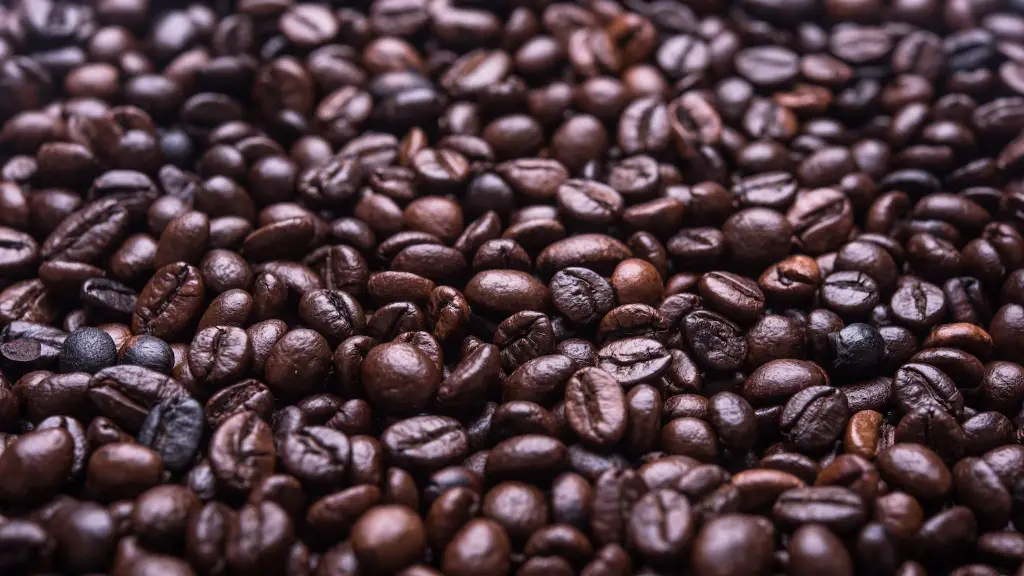
Additionally, black coffee has some health benefits of its own. It is high in antioxidants and can help boost mental alertness and focus. Black coffee can also help keep your blood sugar levels in check as it does not raise your blood sugar significantly, meaning you can enjoy the occasional cup without putting yourself at risk of candida overgrowth.
What Happens When You Drink Coffee on Candida Diet
Although black coffee can be enjoyed on a Candida diet, drinking coffee can still potentially pose a health risk, as caffeine can be toxic. If you choose to drink it regularly, it can disrupt your gut microbiome and throw off the balance of beneficial and harmful microbes in your digestive system. In addition to this, coffee can be acidic, which can disrupt the delicate balance of the gut and interfere with the absorption of certain nutrients, leading to digestive issues.
In some cases, coffee can even cause a reaction in those with a sensitive digestive system. For example, coffee can exacerbate symptoms such as bloating and abdominal pain in those with irritable bowel syndrome (IBS). It can also contribute to feelings of anxiety and depression. Additionally, regular consumption of coffee can also affect your sleep quality, as caffeine can make it harder to fall and stay asleep.
Alternatives To Drinking Coffee on Candida Diet
If you are looking for a caffeine-free alternative to coffee on a Candida diet, there are several options available. Tea – especially green tea – is a great option as it is naturally caffeine-free, high in antioxidants and can even help aid digestion. Other caffeine-free herbal teas such as chamomile or ginger tea can also be enjoyed and are great for digestive health. Additionally, there are various caffeine-free, herbal coffee options available that can provide you with a coffee-like taste without the caffeine or the acidity.

Finally, if you are looking for a more energizing option, you could also opt for natural caffeine alternatives such as green tea extract, guarana or ginseng. These supplements can provide you with an energy boost without resulting in an energy crash or disrupting your gut microbiome.
Summary
In summary, while black coffee can be safe to enjoy on a Candida diet, it can still cause potential health risks due to its caffeine content. For those looking for an alternative, there are several caffeine-free options available such as herbal teas and coffee, as well as natural caffeine sources such as green tea extract and guarana. Ultimately, it is important to include a variety of anti-inflammatory, probiotic-rich foods in your diet to help keep your gut microbiome in balance and reduce the risk of candida overgrowth.
Foods To Eat On Candida Diet
For those looking to maintain a balanced gut microbiome and reduce the risk of candida overgrowth, it is important to eat a variety of whole, nutrient-rich foods. These include non-starchy vegetables such as leafy greens, cruciferous veggies and artichokes, as well as healthy sources of fat such as nuts, seeds, avocados and olive oil. Fermented foods such as kimchi, sauerkraut and kefir can also be beneficial as they act as natural probiotics. Additionally, including foods such as high-quality proteins and healthy sources of complex carbohydrates such as quinoa, sweet potatoes and wild rice can help keep your gut microbiome in balance.
Are There Supplements To Take On Candida Diet?
In addition to including probiotic-rich foods in your Candida diet, it can also be beneficial to take a probiotic supplement. This can help to re-populate the gut microbiome and restore levels of friendly bacteria while minimizing the risk of candida overgrowth. Additionally, antifungal herbs such as garlic, oregano and olive leaf extract can be taken to help reduce the levels of yeast in the gut. It is important to talk to your doctor about any supplements you are thinking of taking to ensure that they are suitable for you.
What Symptoms Suggest Candida Overgrowth?

There are several signs and symptoms that may indicate an overgrowth of candida. These include fatigue, brain fog, bloating, constipation, digestive issues, skin issues and recurrent yeast infections. However, it is important to keep in mind that the symptoms of candida overgrowth can vary from person to person, and many of the signs of candida overgrowth may also be indicative of another health condition. It is important to get a proper diagnosis from your doctor to make sure that you are taking the right course of action.
