Caffeinated Effects of Fast Coffee
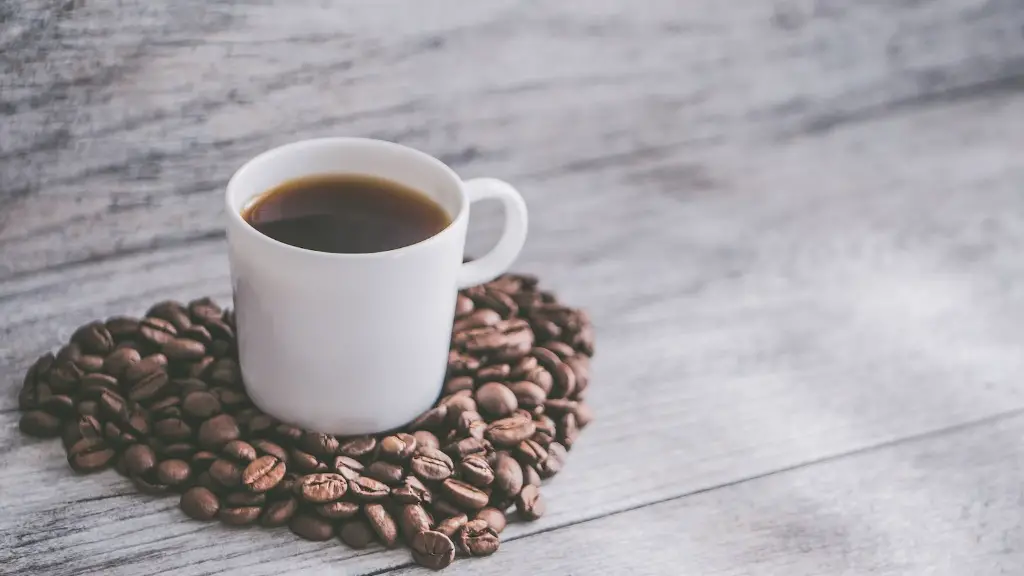
Coffee is one of the most popular beverages in the world. According to the National Coffee Association, there are over 150 million Americans who consume at least one cup of coffee every day. Coffee can provide an energy boost, but it can also be dangerous if consumed in large quantities. So, if you’re considering drinking coffee while fasting, it is important to understand the potential risks of caffeinated products while fasting.
When you consume caffeine while fasting, it can spike your blood sugar levels and can act as a stimulant, causing your blood pressure to rise. This can interfere with the body’s natural process of detoxification, as well as disrupt its natural cycle of hunger and satiety. Therefore, it is not recommended to drink coffee while fasting if you are looking for a weight-loss solution.
It is important to note that caffeine does not directly affect the rate of fat burning. A number of clinical trials have demonstrated that caffeine can increase the thermogenic rate of the body, which is the rate at which the body burns calories. However, this effect is only temporary, and any calorie burned is usually quickly replaced with food consumed shortly after.

When it comes to potential health benefits, drinking coffee in a fasted state can provide some of the same benefits that you would get from drinking it in a fed state. It can improve mental clarity and alertness and can help reduce mental fatigue and stress. Additionally, coffee can provide some antioxidants, which may help reduce inflammation in the body.
Because of the potential risks associated with drinking coffee while fasting, it is important to talk with your doctor or nutritionist to determine if it’s right for you. They can help advise you on the best time of day and amount of coffee to consume to ensure that the benefits outweigh the risks.
It is important to note that caffeine consumption has some known side effects. These can include nausea, headaches, restlessness, and difficulty sleeping. If you experience any of these symptoms, it is best to consult with a physician before continuing to consume caffeinated beverages.
Overall, there are potential risks and benefits associated with drinking coffee while fasted. It is important to consider the potential risks and benefits and talk with your doctor and nutritionist to determine what’s best for your individual needs.
Risks Of Caffeine During Fast
Consuming caffeine while in a fasted state can increase your blood sugar levels. This can reduce the efficacy of the fast and put your body in an unnatural metabolic state that can increase the risk of developing diabetes or other metabolic disorders.
In addition to the potential for health risks, it’s important to be mindful of how drinking coffee during fasting might affect your daily routine. Many people rely on coffee as an energy booster, but if consumed in excess, it can lead to excessive stimulation that can interfere with sleep and cause exhaustion.
Caffeine can also increase cortisol levels and reduce the effectiveness of your body’s stress hormones. While some levels of cortisol are important for maintaining proper energy levels, excess levels can impair cognitive performance, energy levels, and even increase the risk of chronic diseases.
Lastly, caffeine can interfere with the body’s natural detoxification process, making it harder for the body to get rid of toxins. Consuming too much coffee during a fast can make this process even more difficult, as the metabolites of the caffeine can linger in the body longer.
Benefits of Coffee During a Fast

Many people find that drinking coffee during a fast provides some of the same benefits that they get from drinking it when fed. It can improve mental clarity and alertness and can help with focus and memory.
It is also thought that drinking coffee during a fast can boost the body’s natural fat-burning mechanisms. Caffeine has been found to increase levels of catecholamines such as cortisol, epinephrine and norepinephrine. These hormones are important for metabolizing fat and can help the body to convert stored fat into energy.
Finally, coffee can also act as an antioxidant and provide anti-inflammatory properties. Studies have also suggested that tea and coffee may have a protective effect on the heart and may help to reduce the risk of certain types of cancers.
Coffee Alternatives During A Fast
If you’re looking for an energy boost while fasting, there are several alternatives to coffee that can provide similar benefits without the potential risks. Herbal teas have been used for centuries and have been found to provide many of the same benefits as coffee but with fewer side effects.

Green tea, ginger tea, and chai tea are all excellent alternatives to coffee that can provide an energy boost and may even contain some beneficial antioxidants. Additionally, caffeine-free herbal teas can be just as effective as caffeinated teas and may provide more long-term benefits than coffee.
It is also important to note that drinking water during a fast can provide some of the same benefits as coffee, as it can help to rehydrate the body and can provide some of the same mental clarity, alertness, and energy boosts.
Mindful Caffeine Consumption in Fast
Before deciding to drink coffee while fasting, it is important to understand the potential risks and benefits. It is important to talk to a doctor or nutritionist before making a decision and determine what’s best for your individual needs. Additionally, if you do decide to drink coffee while fasting, it is important to be mindful of your caffeine intake and be aware of its potential effects on your health.
The important thing is to be aware of the potential risks and make an educated decision that works for you. If you do decide to drink coffee while fasting, it is important to ensure that you are mindful of your caffeine intake and take steps to minimize the potential risks associated with consuming too much caffeine.
Types of Coffee for Fasting
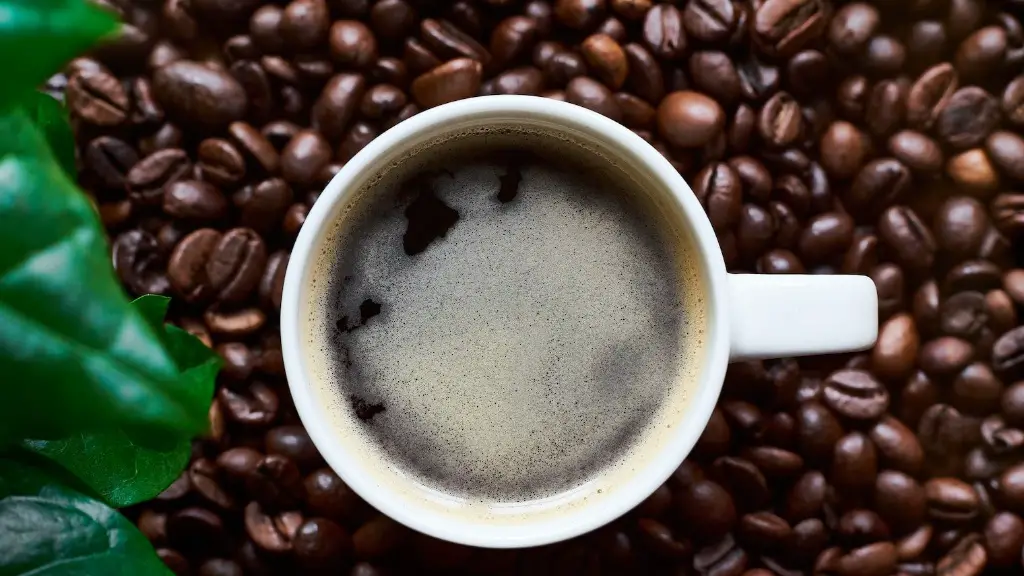
When it comes to the types of coffee that are best for a fast, it is important to look for products that contain natural ingredients and are low in sugar. Additionally, it is important to avoid products that are loaded with artificial flavors, preservatives, and artificial sweeteners. Additionally, it is important to consider the type of coffee beans and make sure that they are organic, single-sourced and that they are roasted correctly.
Cold brew and espresso are two of the best types of coffee for a fast, as they contain less caffeine and are smooth and less acidic than traditional coffees. Additionally, black and green teas are excellent alternatives to coffee and can provide similar energy boosts without the potential risks associated with consuming caffeine.
Lastly, if you’re looking for something that is equally as satisfying as coffee, consider experimenting with matcha or mushroom blends, as these can provide some of the same nutrients and benefits that you would get from drinking coffee.
