
Coffee is one of the most popular drinks around the world and it has been consumed for centuries. But some people have been concerned that drinking coffee could lead to iron deficiency, since iron is an essential mineral for the normal functioning of our body. In this article, we will try to answer this question and explore the science behind it.
Iron is an essential nutrient for our bodies. It forms part of the red blood cells, which carry oxygen around the body, and is involved in various cellular processes. Without enough iron in our body, we can suffer from anemia and other health problems.
It has been suggested that drinking coffee could lead to iron deficiency due to its tannin content. Tannins are compounds found in various plants, and they can bind to iron and make it less available for the body. But the amount of tannins in coffee is relatively low and their binding to iron is not strong enough to cause significant iron deficiency.
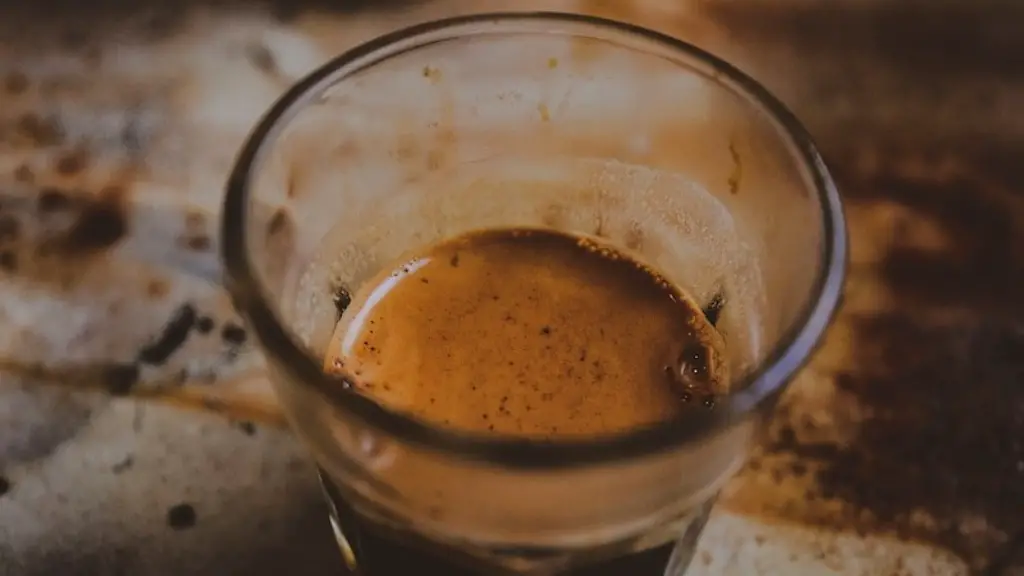
In addition, it has been proposed that caffeine can reduce the absorption of iron in the body. However, studies have shown that caffeine can actually increase the absorption of iron, compared to a placebo. Thus, it appears that caffeine does not affect iron absorption in the body in any significant way.
Nevertheless, it is important to be aware that drinking coffee with meals can reduce the absorption of iron from the food. So, if you are taking iron supplements or eating foods which are rich in iron, it is best to avoid drinking coffee with your meals, as it could reduce the absorption of the iron.
Overall, it appears that drinking coffee does not lead to iron deficiency, as long as it is not consumed with meals. This is because coffee does not contain enough tannins to cause significant binding of iron and its caffeine content does not appear to interfere with iron absorption.
Overview of Iron Deficiency Symptoms
Iron deficiency can have symptoms such as fatigue, paleness of the skin, brittle nails, and rapid heartbeat. Symptoms could vary depending on each person and their levels of iron deficiency. It is important to visit a doctor if you experience any of the above symptoms or notice any other changes in your body.
Iron deficiency can be diagnosed through tests such as a complete blood count or a serum ferritin test. If you have been diagnosed with iron deficiency, it is important to talk to a doctor to determine the best treatment plan. Iron supplements and dietary changes are some of the most common treatments for iron deficiency.
It is important to remember that iron deficiency can be dangerous if left untreated. Therefore, it is best to seek medical advice if you experience any of the mentioned symptoms.
Food Sources of Iron
Certain foods can help increase your levels of iron. Some of these foods are legumes, dark green leafy vegetables, red meat, poultry, seafood, nuts and seeds. It is important to note that the absorption of iron from plant sources is lower than from animal sources. For this reason, it is best to combine plant sources of iron with foods rich in vitamin C, as this will aid in the absorption of iron.
It is also important to be mindful of foods which can interfere with iron absorption. Some of these foods are coffee, tea, dairy products and wheat bran. While these foods have not been found to cause iron deficiency, it is best to avoid them when eating an iron-rich meal to maximize iron absorption.
Iron Deficiency Anemia

Iron deficiency anemia is a condition in which the red blood cells lack the necessary iron for their production. It can cause fatigue, shortness of breath, dizziness, paleness of the skin and hair loss. In some cases, it can lead to complications such as heart problems. The best way to prevent iron deficiency anemia is by eating a well balanced diet and including iron rich foods.
Iron supplements can also be used to help treat iron deficiency anemia, although it is important to keep in mind that these supplements can cause side effects. Thus, it is best to talk to a doctor before taking any iron supplements.
Iron Supplements and Dosage
Iron supplements can be an effective way to increase the levels of iron in the body. However, it is important to take them under the supervision of a doctor. Iron supplements can cause side effects such as nausea, constipation and stomach upset. Thus, it is best to start with the lowest dosage and gradually increase it until the desired effect is achieved.
Iron supplements can also interact with certain medications, such as antacids, so it is important to talk to a doctor before taking them. Iron supplements should never be taken without consulting a doctor, as taking too much iron can also be dangerous.
Prevention of Iron Deficiency

It is important to prevent iron deficiency by eating a balanced and nutritious diet. Avoiding caffeine, eating iron-rich foods and supplementing with iron if necessary can help prevent iron deficiency. Additionally, it is important to be mindful of any changes in your body and visit a doctor if you experience any symptoms.
It is also important to be aware of the risk factors for iron deficiency. Some of the most common risk factors include blood loss, being pregnant, being a woman, being a vegetarian and having a troubled gut. It is best to talk to a doctor to determine if any of these risk factors are applicable to you and how to prevent iron deficiency.
Iron Toxicity
Although iron deficiency can be dangerous to our health, it is important to remember that too much iron can also be harmful. This is because iron is stored in the body and an overload of iron can lead to a condition known as iron toxicity. Iron toxicity can cause organ failure and even death, so it is important to be aware of the signs and symptoms such as abdominal pain, vomiting, fatigue and confusion.
Iron toxicity is rare, and it is more likely to occur in people who take large doses of iron supplements without consulting a doctor. Thus, it is important to always follow the instructions of your doctor and avoid taking iron supplements without the supervision of a healthcare professional.
Conclusion

Iron is an essential nutrient for our body and it is important to maintain adequate levels of iron in order to stay healthy. Drinking coffee does not seem to cause iron deficiency, and it should not be a concern unless you are consuming it with meals. Still, it is important to be mindful of other risk factors for iron deficiency and always talk to a doctor if you are concerned about your iron levels.
