
Pregnant women are often recommended to limit their caffeine intake, as ingesting too much of it may have a negative effect on the unborn baby’s health. But while it may be easy to cut back on coffee, many people find it difficult to completely remove it from their diet. Decaffeinated coffee would then be a viable alternative – but can a pregnant woman safely drink it?
In general, decaffeinated coffee is considered safe for pregnant women, as the amount of caffeine it contains is significantly lower compared with regular coffee. The American College of Obstetricians and Gynecologists (ACOG) suggests consuming no more than 200mg of caffeine per day, which amounts to about two 8 oz cups of regular coffee. However, a cup of decaffeinated coffee only contains about 2-15 mg of caffeine, so pregnant women are unlikely to consume too much caffeine if opting for the decaffeinated version.
Dr. Pamela Berens, a clinical professor of obstetrics and gynecology at the University of Texas in Houston, explains, “I believe it is reasonable for a pregnant woman to consume a cup of decaffeinated coffee a day.” However, she also recommends to “err on the side of caution when it comes to caffeine intake during during pregnancy, as even in small amounts, caffeine can hinder the baby’s growth.”
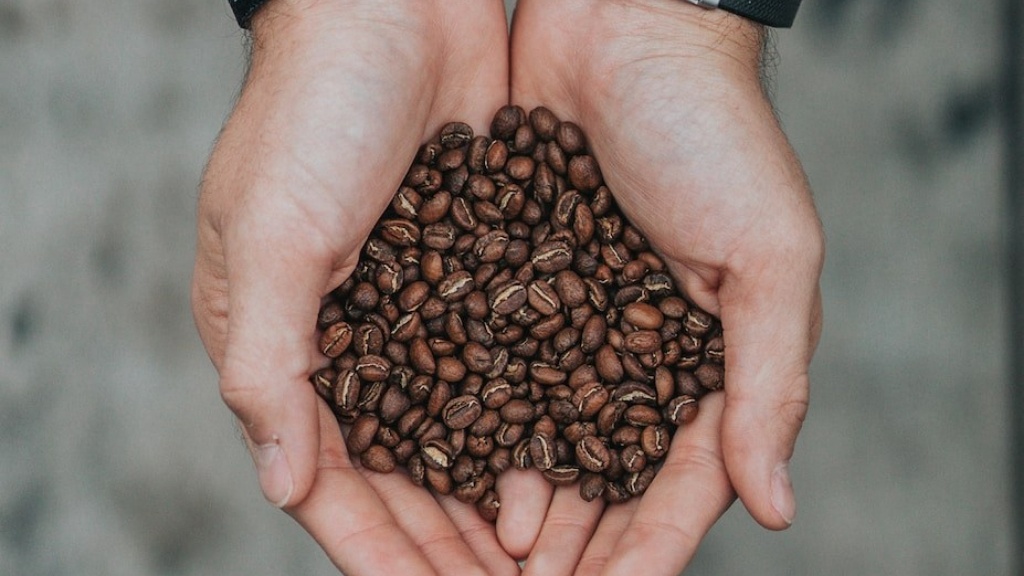
In addition, pregnant women should be aware that some types of decaf coffees contain a residual level of caffeine, so it is best to check the label before purchase. Usually, decaffeinated coffees labelled as “natural” or “naturally decaffeinated” are the best choice, since they are produced using a natural decaffeination process, such as the Swiss Water Process, which is free of chemical solvents.
On the other hand, it is important to note that even if caffeine is mostly absent from decaffeinated coffee, the drink is still a source of a number of compounds that are usually present in regular coffee. This includes chlorogenic acids which can act as antioxidants, as well as lignans and polyphenols, which are associated with a range of health benefits.
For instance, lignans are believed to have a protective effect on some cancers, and polyphenols have been associated with a reduced risk of cardiovascular disease and type 2 diabetes. As such, the nutrients present in decaffeinated coffee may be beneficial for pregnant women, as long as the caffeine intake is monitored.
Brewing Decaffeinated Coffee
When it comes to preparation methods, decaffeinated coffee can be brewed just like regular coffee. One of the most popular methods is cold brewing, which requires time but is ultimately worth it, since the drink it produces has a much milder and smoother flavor than coffee brewed with hot water. In addition, some studies suggest that cold-brewed coffee contains higher levels of antioxidants than that made with hot water.

When making cold-brewed decaffeinated coffee, it is best to use coarsely ground coffee and a ratio of 1:4, meaning one part of coffee to four parts of water. The grind should be coarse enough so that it does not pass through the filter and end up in the beverage, leading to a more bitter flavor. Then, cover the grinds with cold water and stir gently, then place the mixture in the fridge for 12-24 hours.
After the allotted period of time has passed, strain the mixture through a strainer or a filter, preferably a French Press or a Chemex, and you will be left with a cold brew concentrate ready to be diluted. You can then pour the concentrate over ice, or heat it up and serve it as hot coffee. Remember to monitor your caffeine intake, however, since even decaffeinated coffee still contains some amount of the substance.
Effects of Caffeine on Pregnancy
High levels of caffeine during pregnancy have been associated with increased risk of complications, and should therefore be avoided. Some of the potential risks include early miscarriage, intrauterine growth restriction and preterm birth, which could increase the risk of complications later on, such as asthma, allergies and even some behavioral issues in school age.
Nevertheless, some studies have suggested that moderate caffeine intake may be beneficial during pregnancy, especially in the second and third trimesters. These findings suggest that moderate amounts of caffeine are unlikely to increase the risk of complications, although more research is still needed in order to draw definite conclusions.
Caffeinated vs Decaffeinated Alternatives
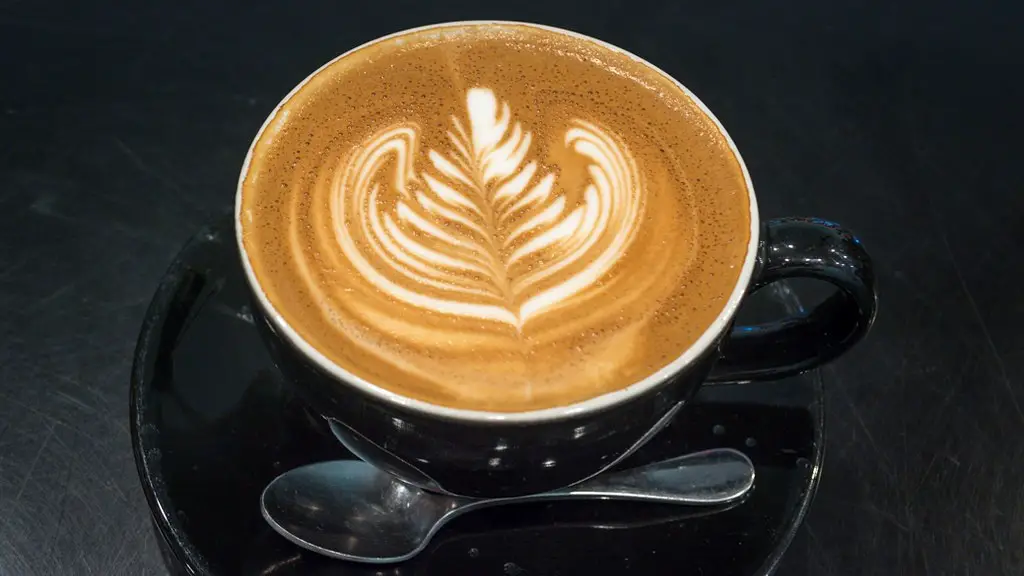
As mentioned previously, pregnant women should avoid high or excessive amounts of caffeine, and if possible opt for foods or drinks that are naturally low in caffeine. Examples include herbal tea, decaffeinated tea, decaffeinated coffee and some fruit juices. These can also be quite beneficial for a pregnant woman’s wellbeing, as certain juices are high in vitamin C, iron and folate.
In addition, some studies suggest that the anti-inflammatory properties of coffee, including decaffeinated coffee, may benefit pregnant women in the second and third trimester. Other research also suggests that coffee consumption may reduce the risk of preeclampsia, a dangerous condition characterized by high blood pressure and organ damage.
All in all, decaffeinated coffee can be a safer option for pregnant women, since it contains relatively low amounts of caffeine compared to regular coffee. Women should however remember to keep track of their caffeine intake, and if they choose to drink decaffeinated coffee, opt for one with a “natural” or “naturally decaffeinated” label.
Alternative Preparation Methods
Another way to reduce the caffeine content when making coffee is to brew it with hot water multiple times. Put simply, this technique consists of brewing a quantity of water with the coffee grinds, discarding it and brewing the same grinds once more with fresh hot water.
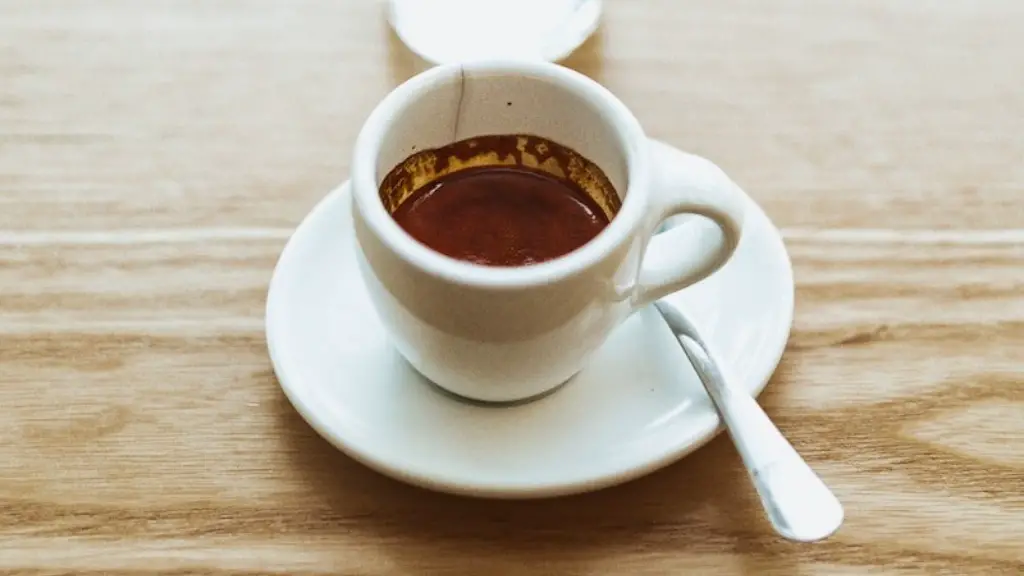
This process removes up to 97 percent of the caffeine from the coffee, without detriment to its flavor. It will however take more time, since it usually needs several rounds of brewing to be done in order to extract the desired amount of caffeine. There are also a number of coffee makers designed specifically for this purpose, however, although they may not be so budget-friendly.
Minimizing Caffeine Intake
Pregnant women who still can’t completely give up coffee can opt for decaffeinated coffee, tea, or even some types of soft drinks instead. These should be consumed in moderation and with moderation, while there are other drinks, such as milk or water, which can be a great source of hydration and nutrients during this special period.
It is also important to limit the amount of caffeine obtained from other sources, such as energy drinks or pre-workout formulas. But if a pregnant woman can not completely give up coffee, decaffeinated coffee is a much safer alternative to regular coffee, as it contains substantially less caffeine.
Advantages of Replacing Caffeine with Decaffeinated Coffee
Switching from regular coffee to decaffeinated coffee can still provide some of the health benefits associated with coffee. Antioxidant compounds such as chlorogenic acids, lignans and polyphenols are still present when drinking decaffeinated coffee, meaning that a pregnant woman can still benefit from them without the negative effects associated with caffeine intake.

In addition, the flavor of decaffeinated coffee is arguably better than that of fully-caffeinated coffee, as it is milder and smother. And of course, it can help reduce the risks of consuming too much caffeine, reducing the risk of complications associated with it.
Varieties of Decaffeinated Coffee
It’s important to note that there are several types of decaffeinated coffee available on the market. Swiss Water Process decaffeinated coffees are organically certified and use the natural water-based method, while others, such as decaf Instant coffee, are processed with chemical solvents.
Organic certified coffees labelled as “natural” typically provide the best quality, although more expensive. These are also the safer choice for pregnant women, as chemical solvents may remain in the brewed drink, even after the decaffeination process. It is also important to consider the origin of the coffee, as some countries require decaffeinated coffees to be certified by national laws.
Watching Caffeine Intake During Pregnancy
When consumed during pregnancy, caffeine could potentially cause low birth weight, premature birth and other complications. Therefore, pregnant women should ensure they monitor their caffeine intake if they opt for decaffeinated coffee, to ensure it does not exceed the maximum recommended amount.
It is also important to monitor other sources of caffeine apart from coffee, such as energy drinks, caffeinated teas and some types of pre-workout formulas. Consulting a doctor can be essential in ensuring a safe and healthy pregnancy.
