
The Effects of Coffee on Weight Gain
Coffee has long been beloved as an invigorating beverage, but it also has potential to help reduce weight gain. A recent study published by the American Journal of Clinical Nutrition sheds light on the potential of coffee to aid weight loss – specifically through its impact on metabolism and appetite control.
The study involved monitoring the dietary habits of 25 healthy adults, aged 18 to 30, of varying body types. For four weeks, the participants were required to drink either three cups of coffee or an equivalent number of caffeine-free beverages each day. At the end of the month, those who drank coffee had an average of 2.6% less body fat.
Metabolism, the process in which our bodies convert food into energy, is the key factor in determining our caloric intake. When this efficiency is increased, it also increases the number of calories burned. Coffee appears to be a natural way to boost metabolism, as it contains caffeine – a stimulant known to speed up the body’s metabolism.
In addition to its metabolic effects, research suggests that drinking coffee may be beneficial for suppressing appetite. Many studies have linked the regular intake of coffee to lower levels of ghrelin – a hormone that triggers hunger. Without feeling the urge to eat all the time, it’s easier to stick to a healthy, balanced diet and maintain a healthy weight.
Of course, while coffee can theoretically aid in weight loss, it’s important to consider the potential risks. Too much caffeine can cause restlessness, insomnia, headaches, and nervousness – along with creating a dependence on the stimulant. Additionally, coffee may contain added sugar and calories, which can be detrimental to weight loss efforts if consumed in large quantities.
Moderation is Key
Though coffee offers potential benefits to weight loss, moderation is key when introducing it into your daily diet. Dieticians recommend limiting coffee intake to two to three cups per day – especially for those trying to maintain a healthy weight.
It’s also important to keep in mind that coffee alone can’t compensate for unhealthy eating habits. Losing weight requires a combination of an active lifestyle and balanced nutrition, so bear in mind that coffee isn’t a miracle cure – but it may be a helpful addition.
Furthermore, bear in mind that what you put into your coffee affects how much benefit you get from drinking it. If you opt for lattes, cappuccinos, or mochas, you’ll need to limit the amount of sugar, cream, and syrups you use. Aim to keep your coffee as low-calorie as possible – without sacrificing taste.
Specialty Coffee Blends
Another option to get more out of your morning or afternoon cup of joe is to try a specialty coffee blend. These are marketed as an aid to weight loss by leveraging the metabolic effects of their ingredients. Some blends combine natural ingredients like guarana, yerba mate, and green tea with caffeine to create a ratio that may speed up the metabolism even more than just regular coffee.
In addition, some include appetite suppressants such as garcinia cambogia and konjac root, allowing for further control of hunger and cravings. While these types of beverages can be effective at aiding weight loss, it’s important to follow the label instructions and keep track of the amount of caffeine consumption, so as to avoid any potential health risks.
Choosing the Right Coffee Roast
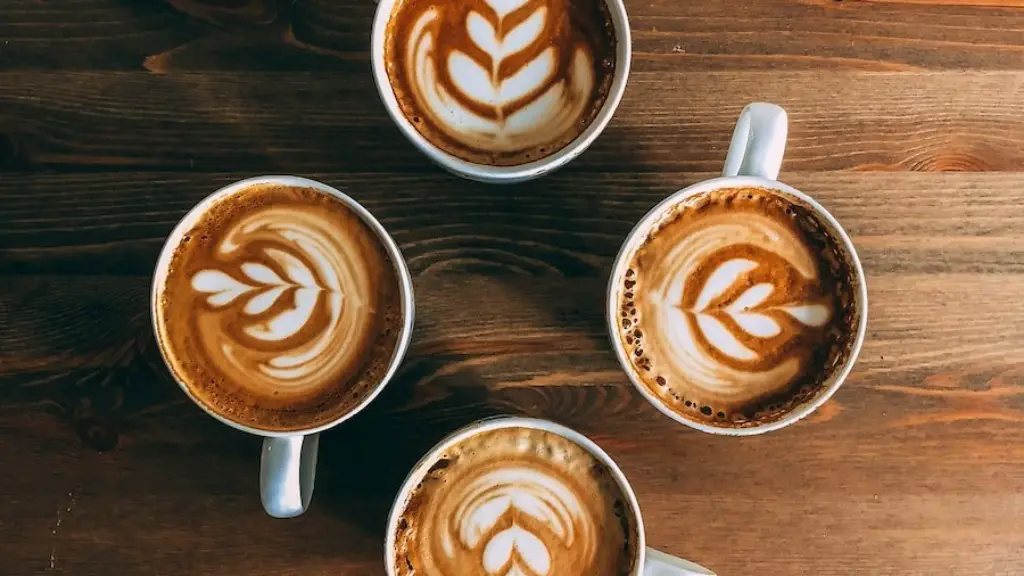
Coffee beans also come in various types, and each has slightly different effects. For example, light roasts have higher levels of caffeine and may be more effective for stimulating the body’s metabolism. Dark roasts, on the other hand, may boast more antioxidants and may lead to improved weight maintenance in the long-term. Choosing the perfect type of coffee roast for your needs can be tough – but with the right knowledge and experience, you may be able to discover the perfect blend.
Alternatives to Coffee
If the idea of drinking coffee doesn’t appeal to you, various herbal teas offer similar benefits. Many herbal teas – such as green tea and yerba mate – act as natural stimulants to boost metabolism, while providing an anti-inflammatory, immune-boosting, and antioxidant boost.
In addition, certain fruits like grapefruit and apples can be effective at helping your body burn fat, while the likes of dark chocolate can help lessen cravings. There are plenty of healthy options to choose from that can help to reduce your calorie intake as part of a balanced diet and active lifestyle.
Going the Extra Mile
For those looking to lose weight faster and more efficiently, there exist a number of ways in which coffee can be employed. Intermittent fasting, for instance, requires an individual to alternate between a healthy diet and periods of complete fasting. Drinking coffee (with no sugar) alongside a fast can help to stave off hunger, improve strength and alertness, and provide benefits beyond traditional dieting methods.
Moreover, introducing physical exercise into your routine can help to speed up your metabolism, bring about weight loss and build a more muscular physique. Combining a balanced diet and regular physical exercise with an adequate intake of coffee can substantially help you to reach your weight loss goals.
Using Coffee to Improve Health
Ultimately, coffee can be a beneficial part of a weight loss programme, although its effects will vary depending on individual body types, dietary habits, and lifestyle choices. Although coffee can’t compensate for an unhealthy diet or lack of exercise, it may be able to help reduce hunger, boost metabolism, and provide some extra motivation to stay on top of your lifestyle and diet goals.
