
Can I Drink Coffee When Trying to Conceive?
Caffeine consumption has become a controversial topic when it comes to trying to conceive, with many experts giving different opinions on whether or not it is advisable to consume it. This article aims to shed some light on the subject, discuss the findings of recent studies, include insights from experts and provide the reader with an informed perspective.
Coffee has become the go-to beverage for many, particularly when more energy is needed throughout the day. A cup of coffee is widely known to provide a quick jolt of energy, and its stimulating properties have resulted in even higher caffeine consumption than ever before. In fact, according to recent statistics, 80% of adults around the world consume caffeine in some form every day. But when it comes to conceiving, is caffeine really the best choice?
First and foremost, it is important to understand that the relationship between caffeine and infertility is not completely straightforward; there have been mixed results from studies performed around the world. One paper published in 2020, for example, conducted a study with over 2,000 women who were trying to conceive and found no link between caffeine intake and fertility. Conversely, another study conducted in 2019 concluded that there was a slight increase in infertility rates among those who consumed higher amounts of caffeine.
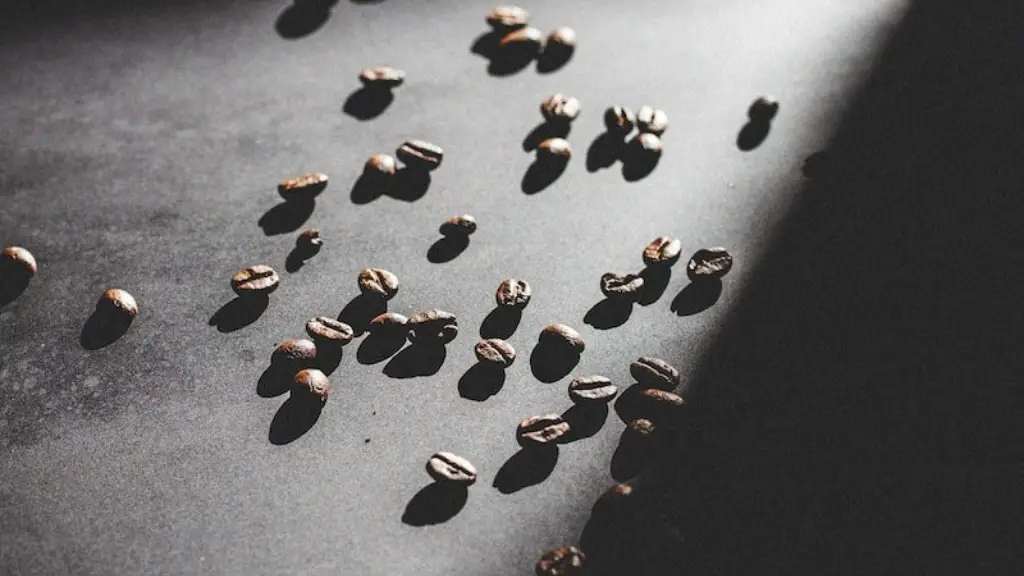
Furthermore, experts have also weighed in on the debate. Dr. Tomer Singer, a leading fertility specialist, says “It’s important to understand that caffeine intake can affect fertility and even if it is not causative, it can still be associated with decreased fertility.” He adds, “If women are trying to conceive, it would be advisable to cut back on, or even stop, caffeine intake all together.”
In addition, there is also the potential danger of dehydration when consuming caffeine, as it is a diuretic. Dehydration can be very dangerous to a woman’s fertility and can make conceiving more difficult. It has been suggested that drinking 1-2 cups of caffeine per day is the safe limit, and it is essential that the body is hydrated throughout the day with water.
Overall, there is still much to learn about the relationship between caffeine and fertility, and there is no definite answer to the question. However, if couples are trying to conceive, reducing their caffeine intake could potentially benefit their fertility and the chances of becoming pregnant.
Can Caffeine Affect My Adequate Folate Intake?
Folate is an essential nutrient for women who are trying to conceive. Without adequate folate intake, it is possible for neural tube birth defects in newborns to occur, and for women to become anemic or develop polycystic ovary syndrome. Caffeine can interfere with folate absorption, as it can reduce folate levels in the blood, so it is important for women to find alternative ways to get the folate they need.

A possible solution could be to replace coffee with tea or other herbal beverages, as these contain significantly less caffeine and still provide many health benefits. Getting plenty of fresh fruits and vegetables is also a great way to ensure adequate intake of folate, as they are packed with vitamins and minerals. As well as this, many prenatal vitamins contain both folate and other beneficial nutrients, making them a good choice for women who are trying to conceive.
It is also important to note that cutting out caffeine entirely may not be the best solution either. Moderate consumption of caffeine may actually benefit fertility in some cases, as it can boost energy levels and reduce stress. Therefore, it might be wise to minimize caffeine intake and focus on healthy food and beverages instead.
What Other Factors Can Affect Fertility?
It’s important to understand that caffeine is just one of the many factors that can influence fertility. Other important factors include diet, nutrition, lifestyle and environment.
Diet is particularly important, as it can profoundly affect fertility. It is essential to get plenty of essential vitamins and minerals from whole, unprocessed foods, such as fresh fruits and vegetables, lean meats and fish, whole grains and legumes. Eating a balanced diet with plenty of nutrients can help maintain reproductive health and improve fertility.

Lifestyle is also an important factor when it comes to fertility. Stress, lack of sleep, and physical activity can all affect fertility in both men and women. Therefore, it is important to take steps to reduce stress levels, get enough sleep and exercise regularly.
Finally, the environment plays a role in fertility levels too. Exposure to certain toxins, such as heavy metals, plastics, and pesticides can interfere with fertility hormones and impair reproductive health. Therefore, it is important to limit exposure to these toxins by avoiding processed foods, monitoring water quality, and choosing natural cleaning products.
What is the Safe Level of Caffeine for Women Trying to Conceive?
According to the American College of Obstetricians and Gynecologists (ACOG), the safe level of caffeine intake for women trying to conceive is less than 200 mg per day. This is equivalent to two 8-ounce cups of coffee, or four cans of soda. It is also important to note that other sources of caffeine such as energy drinks, chocolate and tea can add up and should be taken into account when calculating total caffeine intake for the day.
It is important to remember that everyone’s body is different, and some people may be more sensitive to the effects of caffeine than others. Therefore, it is advised that if one is trying to conceive, it is best to limit caffeine intake as much as possible. It is also important to note that quitting caffeine entirely may not be necessary and that moderate consumption can still be beneficial.
Do Certain Caffeinated Drinks Have More Benefits Than Others?

When it comes to caffeine, not all drinks are created equal. While some, such as coffee and energy drinks, provide quick bursts of energy, they also have other drawbacks. Therefore, it may be beneficial to look for alternatives that provide a similar energizing effect without the negative side-effects.
One alternative could be matcha green tea, which is made from shade-grown tea leaves that have been finely ground into a powder. Matcha has a plethora of health benefits, and it contains around the same amount of caffeine as one cup of coffee. However, it does not have the same crash effect associated with other caffeinated beverages.
Additionally, there are also a number of herbal teas that contain no caffeine, yet are still known to provide other health benefits. These include chamomile, ginger, peppermint and rooibos, all of which have calming, rejuvenating and energizing properties.
What Have We Learned?
To conclude, caffeine is a widely consumed beverage, but it can have a negative effect on fertility. Consumption of caffeine can interfere with folate absorption, cause dehydration and may be linked to infertility. Therefore, it is important to minimize caffeine intake when trying to conceive, or even to quit it all together, as this can lead to increased fertility. Additionally, it may be beneficial to look for alternatives such as herbal teas and matcha green tea, as these can provide a more beneficial effect than traditional caffeinated beverages.
