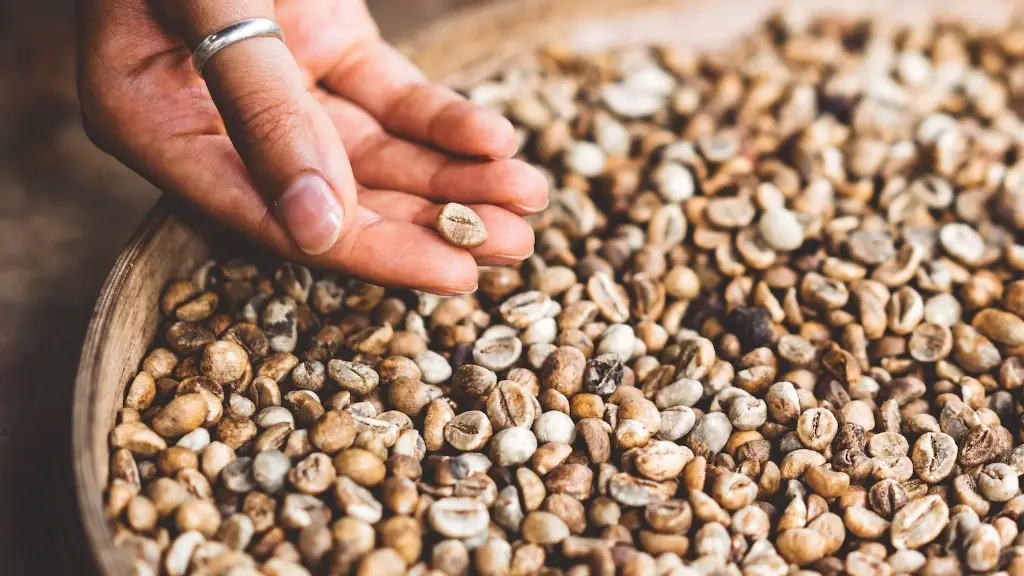
Introduction: Coffee is a popular beverage enjoyed by people all over the world, but is it safe for people with certain conditions and those who may be at risk for certain illnesses? In particular, can coffee drinking increase the risk of the inflammatory joint condition known as gout? This article will examine this question and explore the potential connection between coffee and gout.
Background Information: Gout is an inflammatory condition in which uric acid crystals deposit in the joints, creating intense pain and discomfort. It is a form of arthritis and is more common in men than women. It is often associated with dietary habits like consuming too much red meat, sugary drinks, and alcohol. The average age of the onset of gout is usually between forty and fifty and those who suffer from it often experience painful flare-ups, which can affect quality of life.
Coffee and Gout Risk: Coffee has been traditionally associated with gout risk, mainly due to its content of purines, substances that are broken down into uric acid. While studies have not sufficiently shown a direct link between drinking coffee and gout, certain studies suggest that because coffee consumption increases the uric acid levels in the blood, it may be a risk factor for gout. This is because high levels of uric acid can cause the formation of crystals in the joints, which is the primary symptom of gout.

Coffee and Other Health Benefits: Despite the potential link between drinking coffee and gout risk, it is important to note that moderate consumption of coffee can have health benefits. Studies have found that regular consumption of coffee can reduce the risk of stroke, type 2 diabetes, parkinson’s disease, and other conditions. It can also improve focus and concentration, as well as alertness.
Expert Opinion: When it comes to developing gout or reducing the risk of gout, experts advise that prevention is best. The National Institute of Health (NIH) recommends that people at risk for gout should reduce their intake of foods that are high in purines, including seafood and beer, as well as limit their intake of red meat and sugary drinks. As for coffee, it is recommended that individuals limit their consumption of regular coffee to no more than three cups a day, or four decaffeinated cups a day if they also have gout.
Analysis: When it comes to the link between coffee and gout risk, the answer is far from clear. While there are studies that show that consuming too much coffee can increase the risk of gout, there are also studies that show that moderate consumption of coffee can have health benefits. It is important for individuals to weigh their risk factor and lifestyle habits in order to determine whether or not consuming coffee is the right choice for them.
Impact of Genetics on Gout
Overview: Gout is caused by a buildup of uric acid in the body, but genetics can also play a role. There are some genetic mutations that can create an overproduction of uric acid, which can increase the risk of developing the condition.

Genetic Screening: Genetic testing can help identify those at higher risk of developing gout. The risk increases if there are family members with a history of gout. Genetic testing can provide more insight into the individual’s risk profile and help them and their doctor to better understand the potential risk.
Managing Gout Risk: For those with a family history of gout, there are ways to reduce the risk of developing the condition. First and foremost, managing diet can reduce the risk of developing gout. This includes avoiding foods that are high in purines, such as seafood and red meat. Additionally, maintaining a healthy weight and exercising regularly can reduce the risk of gout.
Treatments: In addition to dietary and lifestyle changes, there are also medications that can help with the management of gout. Non-steroidal anti-inflammatory drugs (NSAIDs) can help to reduce the inflammation, while medications that reduce the amount of uric acid in the blood can help to prevent gout flare-ups.
Conclusion: Genetics can play a role in the risk of developing gout, and those with a family history of gout may benefit from genetic screening to better understand their risk profile. Dietary changes, lifestyle modifications, and the right medications can help an individual manage their risk of developing gout.
Effects of Too Much Coffee on the Body

Caffeine Overload: The main active ingredient in coffee is caffeine, which can have both beneficial and detrimental effects on the body. Consuming too much caffeine can lead to overstimulation of the body, leading to symptoms such as increased heart rate and increased blood pressure, as well as insomnia, anxiety, and irritability.
Nutritional Deficiencies: Consuming too much coffee can also lead to nutritional deficiencies, such as vitamin B12 and vitamin C. Coffee consumption can also reduce absorption of certain minerals such as iron, zinc, and magnesium, which can lead to anemia in some cases.
Dehydration: Caffeine is a diuretic, which means it increases urination. This can lead to dehydration, which can cause symptoms such as fatigue and headaches. Therefore, it is important to stay hydrated while consuming coffee.
Gastrointestinal Issues: Caffeine can also cause gastrointestinal issues such as acid reflux and diarrhea. It can also exacerbate existing conditions such as ulcers and irritable bowel syndrome. For those with these issues, it is especially important to limit coffee consumption.

Addiction: While it is unlikely that coffee is addictive, it can become a habit. This can leave individuals feeling groggy and irritable if they go without coffee for too long. Therefore, it is important to remember to keep caffeine consumption in moderation.
Benefits of Decaffeinated Coffee
Health Benefits: Decaffeinated coffee is coffee that has been processed to remove most of the caffeine content. While many people enjoy coffee for its stimulating effects, decaffeinated coffee still retains some of the health benefits, such as reducing the risk of type 2 diabetes and certain types of cancer.
Reduced Stimulation: Decaffeinated coffee is a great option for those who wish to reduce the stimulatory effects of caffeine without sacrificing the flavor. It is also a good choice for those looking to reduce the risks associated with consuming too much caffeine, such as anxiety and insomnia.
More Nutrients: Decaffeinated coffee also contains more of the beneficial antioxidants, minerals, and vitamins found in regular coffee. This includes more manganese, potassium, and magnesium, as well as vitamins B6 and B12, which can be lost in the process of decaffeination.

Rich Flavor: Decaffeinated coffee also has a rich flavor that many people find more pleasing than regular coffee. This is because the process of decaffeination leaves more of the coffee’s natural flavor compounds behind, so the flavor is less bitter than regular coffee.
Gout Prevention and Treatment
Diet: Diet is an important factor when it comes to reducing the risk of gout and managing flare-ups. It is important to limit consumption of foods and beverages that are high in purines, such as red meat and alcohol, as well as sugary drinks. Additionally, managing weight and exercising regularly can help to reduce gout risk.
Medications: In addition to dietary and lifestyle modifications, medications can be used to reduce the inflammation associated with gout and to prevent flare-ups. Non-steroidal anti-inflammatory drugs (NSAIDs) and medications that reduce the amount of uric acid in the blood are the two most common types.
Surgery: In some cases, gout may have to be treated with surgery. This is generally done if the condition has become severe and is causing joint damage. Surgery may involve removing the deposits of uric acid, as well as repairing the joint damage.
Alternative Treatments: Some people choose to use alternative treatments, such as acupuncture and herbal supplements, to manage gout. While these treatments are not typically recommended as a primary form of treatment, they may help to reduce inflammation and improve symptom management in some cases.
