
Coffee is the most widely consumed beverage in the world. Millions of people consume it daily, and it has been linked to numerous potential health benefits. But what about before a PCR test? Can you drink coffee before such a test, and if so, should you? Let’s explore the answers to these questions.
PCR stands for Polymerase Chain Reaction and is a test used to identify and detect the presence of a certain type of bacteria, virus, or other microorganisms. A PCR Test is commonly used in medical settings to diagnose infections and to screen for cancer. The test requires the collection of a sample of bodily fluid or tissue, usually a swab of the nose, mouth, or throat.
Caffeine is a naturally occurring substance found in plants, including coffee beans. It is widely consumed in the form of coffee, tea, sodas, and other beverages, as well as being added to certain foods. Caffeine has a range of effects on the body, but the most important in this context is that it has a stimulatory effect on the body.
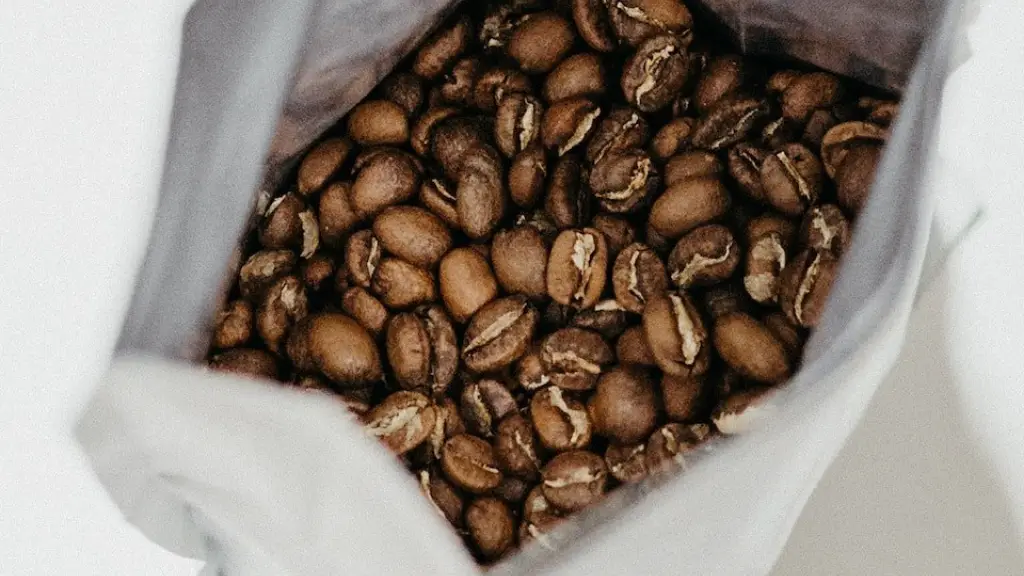
So, can you drink coffee before a PCR Test? The answer is generally yes, as long as you don’t consume too much. Caffeine has been found to have no effect on the accuracy of a PCR test. However, drinking coffee before a PCR test may interfere with the accuracy of certain other medical tests. Additionally, coffee may have a diuretic effect, which may lead to increased urination and dehydration.
When it comes to coffee and PCR Tests it’s best to err on the side of caution and limit your coffee intake. It’s also important to remember that everyone reacts differently to caffeine and its effects can vary from person to person. For some people, even a small amount of coffee can make them feel jittery and anxious, which could lead to increased stress levels when undergoing a PCR Test.
In conclusion, it is generally safe to drink coffee before a PCR test. However, it is important to take into consideration your own body’s response to caffeine and to drink coffee in moderation.
The Effect of Caffeine on Medical Tests
Caffeine can have an influence on many medical tests. Depending on the type of medical test, caffeine can interfere with the accuracy of the results. For example, caffeine can elevate heart rate, blood pressure and interfere with the results of certain blood tests such as those sensitive to electrolytes. Therefore, if you’re undergoing a medical test, it’s best to avoid caffeine for at least 24 hours prior to the test.

Caffeine is also known to interfere with sleep patterns which in turn can interfere with tests such as sleep studies. Additionally, if you need to fast for a medical test, caffeine will make this process much more difficult, since it will increase hunger and decrease your ability to focus, making fasting much harder.
When it comes to medical tests, it is best to limit or even avoid caffeine consumption in order to ensure that the results of the test are as accurate as possible. If you do need to consume caffeine, it is important to do so at least 24 hours before the test.
The Effect of Coffee on Oral Swab Tests
Oral swabs are tests which require the collection of a sample, usually a swab of the mouth, to test for certain bacteria, virus, or other microorganisms. While caffeine won’t affect the results of this test, it can have an effect on the collection process. As coffee is acidic, it can affect the way the sample is collected. Therefore, it is recommended that you avoid coffee, and other acidic drinks, for at least an hour before the sample is collected.
It is also important to note that coffee can temporarily discolour teeth. As the swab is taken from the inside of the mouth, the discolouration caused by coffee can show up and interfere with the result. Therefore, to ensure accurate results, it is best to wait at least an hour after drinking coffee before taking the sample.
Coffee and Dehydration
Caffeine can have a diuretic effect, which means that it increases urination. This can lead to dehydration and can affect the results of a medical test. Therefore, it is important to drink plenty of water after coffee, and before a medical test, to avoid dehydration. Additionally, it is important to remember that the effects of coffee can vary from person to person and that caffeine sensitivity is affected by various factors such as age, body weight, health conditions and medications.
The Nutritional Value of Coffee
Coffee is a great source of many essential nutrients such as vitamin B2, vitamin B5, manganese, potassium, and magnesium. It also contains appreciable amounts of riboflavin, niacin, and pantothenic acid. These nutrients are beneficial for health and can help boost your mood, energy levels, and focus. Additionally, coffee is a rich source of antioxidants which are important for maintaining good health.
When it comes to coffee, it is important to remember that moderation is key. Too much coffee can lead to negative effects, such as anxiety, restlessness and insomnia. Additionally, adding too much sugar and cream to your coffee can significantly increase the calorie content and lead to weight gain. Therefore, it is important to keep your coffee consumption in moderation and to drink coffee without added sugars, fats, and other additives.
Coffee and Mental Health
Coffee can have both positive and negative effects on mental health. The stimulatory effects of caffeine can help to reduce feelings of fatigue and improve mental performance. However, drinking too much coffee can lead to feelings of anxiety, irritability, and restlessness. Additionally, regular coffee consumption can lead to dependence and an inability to relax. Therefore, it’s important to keep your coffee consumption in moderation and to drink coffee without added sugar or other stimulants.

Coffee can also interact with certain medications and can negate the effects of antidepressant and antipsychotic drugs. Therefore, if you are taking any medications it is important to discuss how coffee can interact with them with your healthcare provider.
Final Thoughts
Overall, the answer to the question of drinking coffee before a PCR test is yes, as long as you do so in moderation. Caffeine can have a range of effects on the body, and it is important to be aware of how your body reacts to it. Additionally, it is important to remember that coffee can interfere with the accuracy and results of other medical tests, so it is best to avoid it for at least 24 hours prior to the test. Finally, it is important to remember that moderation is key, and to drink coffee without added sugars, fats and other stimulants.
