
Can I drink decaf coffee with ulcerative colitis? This question is frequently asked by people suffering from this form of inflammatory bowel disease looking for ways to still enjoy the taste of coffee without aggravating their illness. While decaf coffee does have some health benefits, it is important for ulcerative colitis sufferers to take a few points into consideration before drinking it in order to decrease the risk of triggering an exacerbation of their condition.
Ulcerative colitis is an inflammatory bowel disease (IBD) caused by an abnormal reaction of the body’s immune system to the environment of the colon. This results in the patient experiencing chronic bouts of inflammation and ulceration of the intestinal wall. Ulcerative colitis can be very painful, debilitating and difficult to manage, making it important to follow a lifestyle and diet plan in order to reduce potential irritants.
Decaffeinated coffee is sometimes suggested as a safer and less likely to cause IBD symptoms alternative for people living with this condition. Research is inconclusive regarding the longterm benefits of decaf coffee for ulcerative colitis and inconsistent findings from studies so far makes it difficult to draw any definitive conclusions. Some studies have shown a decrease in inflammation due to decaf coffee, while other studies have demonstrated that this may not be the case.
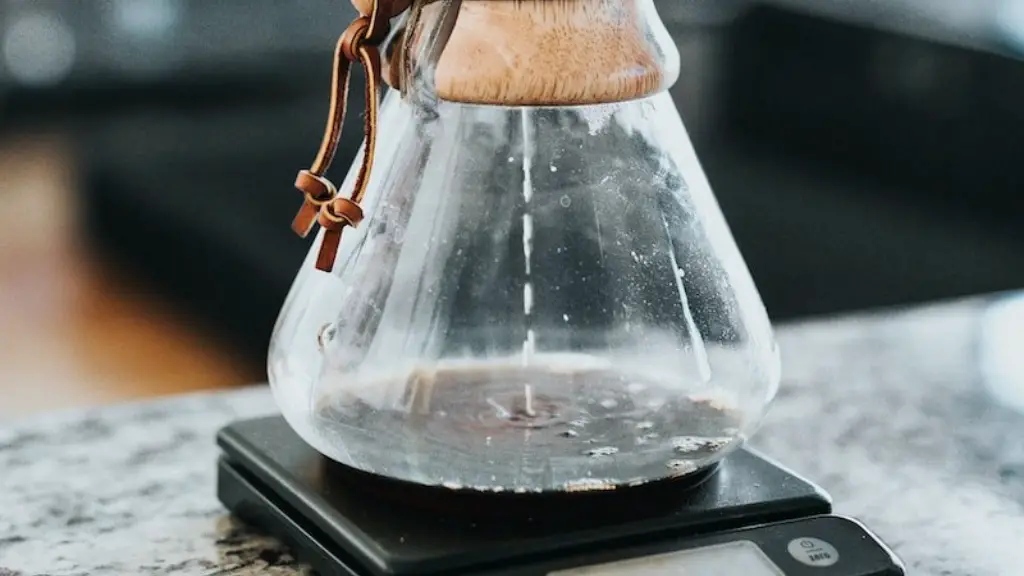
The key factor when considering decaf coffee for ulcerative colitis is to identify the decaffeination method used. Different methods vary in terms of the chemicals used, with some of these chemicals unfortunately not being suitable for IBD sufferers. The most common decaffeination method used is methylene chloride, which is considered safe, while those with ulcerative colitis may want to avoid chemicals such as ethyl acetate.
Other than the decaffeination method, it is also important to note that decaf coffee may contain higher levels of acidity compared to regular coffee. As gastroesophageal reflux is a common symptom of ulcerative colitis, this could worsen digestive discomfort and flare-ups over time.
Ultimately, whether or not one could drink decaf coffee with ulcerative colitis depends much on the individual, the severity of their condition, and their personal preference when it comes to the decaffeination method used. With that said, it is advisable for those with this condition to proceed with caution when consuming decaf coffee and to be aware of the potential for digestive discomfort and exacerbation of their condition.
The Taste of Decaf Coffee
The flavor of decaf coffee has been a topic of debate in the coffee drinking community for some time now. For those with ulcerative colitis suffering from a reduced sense of taste and smell due to the condition, the flavor might be noticeably different. For example, those accustomed to the full-bodied flavor of regular coffee may find that decaf coffee tastes milder, more watery and somewhat bitter.

On the other hand, decaf coffee may be preferred by those with ulcerative colitis who don’t enjoy the strong and acidic taste of regular coffees. There are a few ways to enhance the taste of decaffeinated coffees, such as adding milk, cream or cinnamon to the brew.
Coffee Alternatives
For those with ulcerative colitis seeking alternatives to coffee, there are plenty of tasty options for them to explore. Tea is a popular choice for those with IBD, with options such as rooibos tea, green tea, and ginger tea known for possessing anti-inflammatory properties. Again, avoid teas produced using harsh chemicals and opt for decaffeinated options instead.
Furthermore, there are many herbal teas which are caffeine-free with therapeutic benefits for those with intestinal disorders. Herbal teas with stomach-soothing properties include chamomile, peppermint and lavender. Some of these teas can also be blended with healthful ingredients such as honey and lemon, or sweetened with coconut sugar, to further enhance their flavor.
Ulcerative Colitis Diet
The best approach for those with ulcerative colitis when it comes to coffee consumption is to focus on a nutrition-packed and anti-inflammatory diet. Eating a wide range of healthy foods and avoiding potential triggers is key to managing ulcerative colitis and preventing flare-ups. Load up on nutrient-dense fruits and vegetables, try to maximize your intake of omega-3 and omega-6 fatty acids, and mindfully monitor the food you eat in order to identify any possible irritants.

Coffee can still be incorporated into the diet, though it is important to be mindful of the caffeine content and the decaffeination process. Making a habit of drinking decaf coffee in moderation is a great way to enjoy a good cup of coffee without overloading on caffeine and triggering an exacerbation of the condition.
Supplements and Herbal Remedies
In addition to dietary and lifestyle modifications, oral supplements and herbal remedies can be helpful for those with ulcerative colitis. There is some evidence to suggest that certain natural supplements may have therapeutic benefits for those with IBD, such as probiotics which can help balance the bacterial flora in the digestive system and boost the immune system. Certain anti-inflammatory herbs can also help to reduce pain and symptom severity. Examples include turmeric, chamomile and curcumin, with the latter being most widely studied for its health benefits.
In general, supplements such as probiotics and herbs should be safely sourced and organic whenever possible. Consulting with a healthcare professional is recommended before supplementing, as some health conditions and medications can interact with certain supplements.
The Role of Stress Management
Managing stress levels is critical when trying to reduce symptom severity and flare-ups. Stress is known to increase inflammation in the body, so learning how to cope with stress can help reduce the risk of symptoms of ulcerative colitis. Mindful practices such as yoga and meditation, as well as regular exercise, can help reduce stress levels and keep the body in balance.

In addition to its calming effects, exercise is also beneficial for managing IBD as it boosts energy levels and helps to reduce both physical and psychological stress. Overall, stress management should be taken seriously and incorporated into the daily routine of those suffering from ulcerative colitis for the best possible outcome.
Final Considerations
There is no single answer to the question of whether or not it is safe to drink decaffeinated coffee with ulcerative colitis. While there are benefits to be had from drinking decaf coffee, there are some risks involved which should not be overlooked. Therefore, those with IBD should proceed with caution and employ a combination of diet, exercise, supplements and stress management in order to reduce the risk of exacerbations of their condition.
