Can I Drink Iced Coffee the Next Day?
Many of us have asked ourselves this question before – is it safe to drink iced coffee the day after it’s been made? On this subject, some experts recommend that you should never drink iced coffee after a certain amount of time while others suggest that there is nothing wrong with drinking day-old iced coffee. But the truth is that it really depends on the type of iced coffee that you’re drinking.
To start, it’s important to understand how iced coffee is made. Generally speaking, iced coffee is made by pouring freshly brewed hot coffee over ice, then allowing it to cool. This results in a beverage that’s cold and refreshing. So, the question here is how long can you store this type of coffee for?
According to health experts, it’s generally safe to consume iced coffee if it’s been stored in the refrigerator for up to 24 hours. However, you should ensure that you keep it in an airtight container or sealed container so that it doesn’t pick up any odors or flavors from other foods in the refrigerator. Additionally, it’s important to realize that as soon as the coffee starts to warm up, it’s no longer safe to consume.

Coffee connoisseurs will tell you that drinking iced coffee the next day isn’t the best idea, as the coffee will have lost some of its freshness. The taste may not be as good as it would’ve been if it was brewed the same day. In addition, the quality of the coffee may decline over time due to oxidation. As popular coffee experts, the National Coffee Association, explains, “oxidization, the chemical reaction that occurs when coffee is exposed to the air, can cause off-flavors such as a winy bitterness.”
So, if you’re someone who likes their coffee to be super fresh, then it’s probably best to take the extra time to brew a cup every morning or, if you don’t have that much time, to look into both cold-brew and nitrogen-infused coffee. Cold-brew coffee is made by steeping coffee grounds in room-temperature water for 12 to 24 hours. This results in a smoother, less acidic and less bitter cup of coffee. Meanwhile, nitrogen-infused coffee is made by infusing nitrogen gas into cold-brew coffee. This gives the coffee a more creamy, smooth and light taste.
Ultimately, the answer to the question of whether or not you can drink iced coffee the next day really depends on the type of iced coffee you’re consuming. If the coffee is stored in the refrigerator in an airtight container, then it should be safe to drink up to 24 hours later, but it won’t taste as good as it would when it’s freshly brewed. If you’re looking for a fresher cup of coffee, then cold-brew and nitrogen-infused coffee will be your best bet.
Drinking Temperature of Iced Coffee
Whether you’re looking to drink day-old iced coffee, cold-brew coffee, or nitrogen-infused coffee, it’s important to know the ideal drinking temperature for each type. The National Coffee Association recommends temperatures between 57°F (14°C) and 68°F (20°C), as drinking coffee that’s too hot can cause damage to your taste buds.
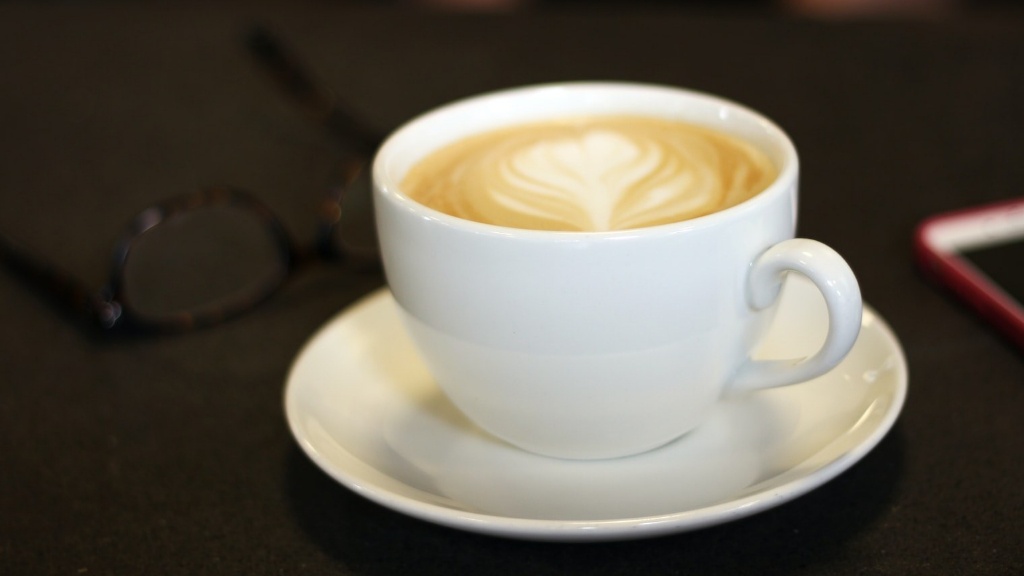
When it comes to iced coffee, it should be served at a slightly warmer temperature than cold-brew and nitrogen-infused coffee as it’s a more robust flavor. It has a deeper flavor profile due to the beans being brewed hot and cooled down. Additionally, iced coffee should be poured over ice cubes — not crushed ice —to ensure the right temperature and body.
When drinking cold-brew or nitrogen-infused coffee, it’s important to drink it cold. The bitterness and astringency of cold-brew coffee lessen when it gets warmer so it’s best not to let it sit out too long. Nitrogen-infused coffee is best when consumed cold as well, as it has a light texture that is lost when it gets too warm.
Health Benefits of Iced Coffee
Although iced coffee does have the potential to lose some of its quality over time, it still has some great health benefits. It’s lower in calories than traditional hot coffee, as it’s brewed with less cream and sugar. In addition, iced coffee is high in antioxidants, which can help fight off the effects of aging, improve brain function, and reduce the risk of cancer and heart disease.
Iced coffee also contains a variety of vitamins and minerals, including magnesium, which helps to regulate blood sugar levels, and potassium, which helps to reduce hypertension. In addition, iced coffee can help keep you hydrated, as it contains around 95% water.
Pros and Cons of Drinking Store-Bought Iced Coffee
Let’s not forget about store-bought iced coffee because it can be a quick and convenient solution. Store-bought iced coffee is typically prepared using pre-made coffee concentrate and then combined with water, cream, and/or sugar to make a ready-to-drink beverage. However, there are a few pros and con’s to consider before you sip.
On the plus side, store-bought iced coffee is usually very convenient and easily accessible. You can find it in your local coffee shop, grocery store, or even a convenience store — making it an ideal solution when you’re in a hurry. Additionally, it’s usually less expensive than making your own iced coffee.
On the other hand, store-bought iced coffee may be higher in calories and added sugars. It also lacks the freshness and flavor of homemade iced coffee. Additionally, many of the store-bought varieties are loaded with preservatives and flavorings — making it a less-than-ideal choice for those who are health-conscious.
Can I Refrigerate Iced Coffee?
If you’ve brewed some iced coffee but want to store it in the refrigerator and save it for later, then it should be safe to do so. Just as with any other food or beverage, you should make sure to store the iced coffee in an airtight container to preserve its flavor and prevent it from developing an off-flavor or odor.
That said, you should still drink the coffee within 24 hours, as this will ensure that you’re getting the freshest and best-tasting cup. Once the coffee has been stored in the refrigerator, it should not be left out for more than two hours.
Alternatives to Iced Coffee
For those of us who don’t have time to make our own cold-brew or nitrogen-infused coffee, there are plenty of alternatives to iced coffee. There’s cold coffee drinks, such as cappuccinos, lattes, or mochas that have been served cold. These drinks offer an array of flavors and can be made with non-dairy, vegan, or low-fat milk alternatives.
Additionally, you can make iced tea at home with the same method used to make iced coffee (brewing the tea hot, then pouring it over ice). There are plenty of unique tea flavors to choose from, such as black, green, white, chai, and herbal tea blends.
And if you’re looking for a caffeine-free alternative, you can try making a smoothie or an iced latte with plant-based milks, such as almond, cashew, or oat milk. Not only are these drinks delicious and refreshing, but they are also full of essential vitamins and minerals.
