
Coffee and fasting are two key words to consider when preparing for blood work. Many people today drink coffee regularly, so being told to fast when needing to have a blood test can be difficult. Fasting is a critical part of preparation for a blood test, however, as it helps to ensure accurate results. But can you still drink that much-needed coffee if you are fasting for a blood test?
Fasting for a blood work test means consuming only water for anywhere from 8 to 12 hours before the test, depending on the specific test. It is important to inform your doctor about regular medications and supplements if you are taking them, as these may interfere with the blood test results. Some tests do not require that you fast, but if you do fast it is best to have the blood test in the morning before eating anything.
It is widely agreed that drinking coffee while fasting is acceptable. Caffeine does not interfere with the accuracy of a blood test and therefore you are allowed to consume coffee (or other caffeinated beverages) in moderation while fasting for a blood test. However, it is also important to note that caffeinated beverages, such as coffee, can also lead to dehydration. Thus, it is best to avoid drinking too much coffee and opting for smaller amounts of water instead.
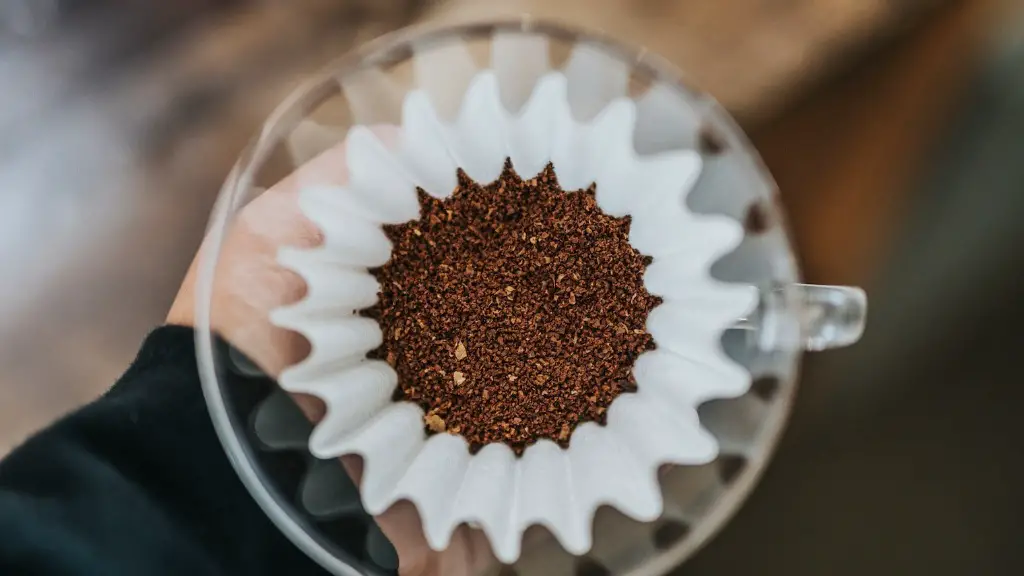
Experts advise that consuming less than 200 milligrams of caffeine without food should be safe. However, if you are consistent with your caffeine consumption it can be difficult to regulate the amount you consume when fasting. Therefore, it is important to be aware of the amount of caffeine you consume in order to minimize any potential negative effects. For example, if you are caffeine dependent, it is important to start reducing your caffeine consumption a few days prior to the blood test.
In addition to caffeine consumption, it is important to consider the type of fasting you should follow when preparing for a blood work test. There are several types of fasting protocols to consider, including a liquid fast, fasting diet and intermittent fasting, among others. While it is important to understand the benefits of each type of fast, it is also important to consult your doctor for advice as it relates to your specific needs.
In conclusion, drinking coffee while fasting for a blood test is allowed in moderate amounts. However, it is important to keep in mind that drinking too much caffeinated beverages such as coffee can cause dehydration and, as such, it is best to reduce your caffeine consumption before the test. It is also important to consult your doctor in order to determine the type of fasting that is best for you.
Caffeine Quantity While Fasting
While drinking coffee during fasting is acceptable, you should be aware of the quantity of caffeine consumed before starting a fast. Caffeine can influence the blood test results and having too much caffeine prior to the test can be problematic. It is important to regulate both the amount and the intervals between caffeine consumption, to obtain accurate results. Additionally, you should avoid drinking more than 200 milligrams of caffeine prior to the test. Be aware that the amount of caffeine in a cup of coffee can vary, thus it is best to keep track of the overall caffeine consumption while fasting.
Alternative Methods of Fasting

Intermittent fasting is an increasingly popular alternative fasting method. It is a way of controlling when and what type of food is consumed. An important key factor when considering this type of fast is that there are no restrictions as to when or how much food is consumed, however it is still important to ensure that someone is not overeating or drinking sugary drinks. Intermittent fasting does not restrict overall food intake, however it does affect one’s daily habits and lifestyle. Therefore, it is important to properly plan a schedule and maintain discipline.
Consulting a Doctor
When preparing for a blood work test, it is important to consult a doctor before making any changes. A doctor will be able to provide specific advice as it relates to the type of fasting and caffeine consumption that is best for you. Additionally, they can decide whether a liquid fast or intermittent fasting is best for the patient and discuss possible risks associated with certain fasting protocols. Consulting a doctor beforehand is essential in order to make sure that a patient is properly prepared and able to obtain the most accurate blood test results.
Consulting a Nutrition Expert
Fasting for a blood test does not always mean cutting out all food. Consulting a nutrition expert is a great way to ensure that a patient not only survives the fast, but also obtains the most accurate and reliable results from the test. A nutrition expert will be able to provide clear instructions and advice on what kind of food is acceptable during a fast and how to avoid dehydration. Additionally, a nutrition expert will be able to provide tips on how to effectively manage appetite without compromising health.
Exercising While Fasting
Exercising during a fast can be difficult, as the body needs energy to perform physical activities. Therefore, it is important to plan activities carefully in order to avoid feeling run down or dizzy. Light yoga and walking are great physical activities that allow someone to stay active while fasting. Additionally, high-intensity exercises should be avoided, as they can put a strain on the body and cause potential health issues. It is also important to stay hydrated while exercising, however, as dehydration can be dangerous.
Supplements During Fasting

Consuming supplements during fasting for a blood test is not recommended, as supplements can affect the accuracy of the blood test results. Furthermore, some supplements can interfere with the test and potentially impact the results. It is best to consult your doctor beforehand to determine which supplements are acceptable and should be avoided. Additionally, taking medication and supplements regularly should also be discussed with a doctor prior to the test.
