
Benefits of Coffee and Breastfeeding
While There is no definitive answer to whether or not it is safe for a woman to drink coffee while breastfeeding, there are several potential benefits that have been linked to the practice. Coffee contains caffeine, a stimulant that helps increase energy and wakefulness. New moms can face fatigue when nursing and caring for a newborn, and drinking coffee can help them get through their day with more energy.
Coffee also contains several beneficial compounds that could potentially improve breast milk. For example, coffee contains polyphenols, antioxidants with anti-inflammatory effects that may help to protect a baby’s health and development. Coffee has also been found to have a positive effect on breast milk production, with studies showing that it increases prolactin, the hormone responsible for the production of breast milk.
The American Academy of Pediatrics recommends that mothers limit their caffeine intake while breastfeeding, but there is no scientific evidence that supports or refutes this recommendation. Experts advise that moms who choose to drink coffee while breastfeeding do so in moderation, as too much caffeine can be harmful for both mother and baby.
Risks of Coffee and Breastfeeding

While the potential benefits of drinking coffee while breastfeeding are appealing, it is important to consider the potential risks as well. Caffeine is a stimulant, and if a mother consumes too much at one time, it can cause negative effects in both her and her baby. These can include increased irritability, restlessness, and fussiness in the baby, and anxiety, insomnia, or headaches in the mother.
Caffeine is not easily absorbed by the body, and large amounts of it can pass through breast milk, which can be especially harmful for babies. Breastfeeding infants are especially sensitive to caffeine because their bodies cannot metabolize it as effectively as an adult. Too much caffeine can lead to difficulty sleeping and poor feeding habits, so it is important for mothers to monitor their intake and adjust accordingly.
Coffee can also interfere with the absorption of certain vitamins and minerals in the body, and can increase the pH acidity of breast milk. This could lead to an upset stomach for the baby, and can potentially irritate their delicate digestive system.
Alternatives To Coffee
For new moms who find themselves in need of a pick-me-up without the caffeine, there are several alternatives that can be just as effective. Many women find drinking herbal teas or hot vegetable juices to be helpful. They are a great source of hydration, and can also provide a boost of energy and a sense of calm. Ginger and chamomile tea are especially beneficial in this regard.

In addition, many women find a daily nap to be helpful in restoring their energy levels. Regular exercise, eating healthy meals on a consistent basis, and seeking the help of family and friends can all help in the moments of exhaustion. New moms should not be afraid to take the time they need to take care of themselves.
Finally, there are natural supplements that can help to fight fatigue and improve energy levels, without the jitters sometimes associated with caffeine. These include vitamin B-12, iron, magnesium, and many others. Consulting a doctor or healthcare provider is the best way to identify which supplements would be most beneficial for a new mom.
Timing Of Caffeine Intake
It is important for women to pay attention to their timing when it comes to caffeine intake. For instance, drinking coffee before breastfeeding can be beneficial in increasing a mother’s energy, but it is important that the body has enough time to metabolize the caffeine before the baby feeds. This will ensure that the baby is not exposed to too much caffeine.
It is also a good idea to space out caffeine consumption throughout the day, rather than drinking a large amount periodically. This will help to eliminate any potential negative effects, and ensure that the baby is not exposed to too much caffeine.
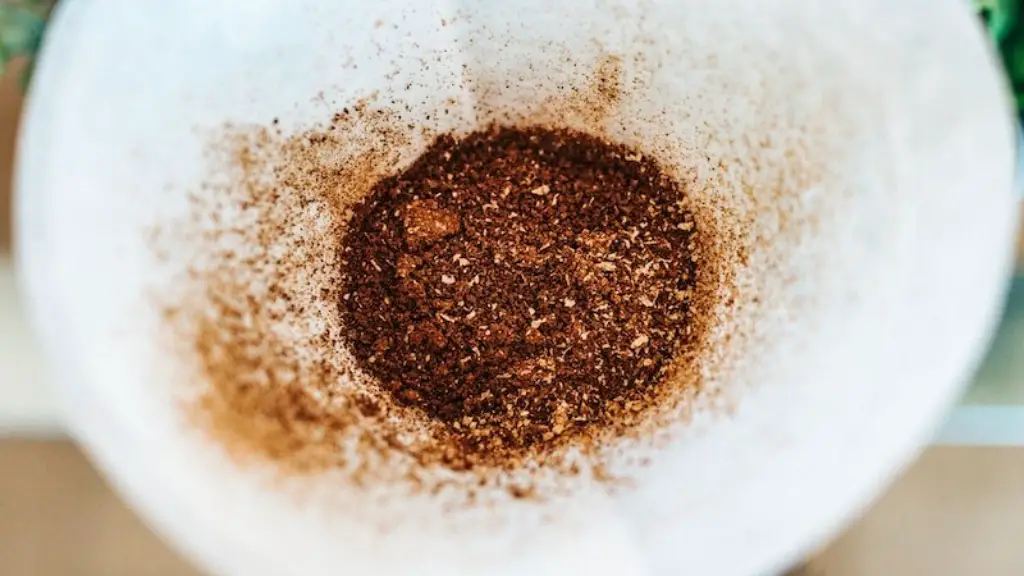
Finally, it is important to make sure that the coffee or tea being consumed is low in sugar or sugar-free. Too much sugar can be harmful to the body, and can interfere with the baby’s feeding habits as well.
Preparing Coffee Before Breastfeeding
The best way to prepare coffee for a breastfeeding mother is to use whole coffee beans that have been freshly ground. This ensures that all the beneficial compounds stay intact, and can help improve milk production and enhance the flavor of the milk. It is also recommended that the grounds be boiled for 15 minutes for maximum potency.
A milk frother can also be used to produce thick foam, which helps give the coffee a more favorable texture and a richer taste. Organic milk is recommended, as conventional milk may contain hormones, antibiotics, or other additives that can be dangerous for a baby.
It is also a good idea to buy pre-ground coffee or a high-quality instant coffee. This is a convenient way to enjoy a cup of joe while breastfeeding, as they require minimal preparation and are usually available in smaller quantities.
Infant Reactions To Coffee

It is important for breastfeeding mothers to keep an eye on their baby for any signs of distress after consuming coffee. Signs such as irritability, restlessness, or fussiness could be indicative of an adverse reaction. If any of these symptoms are observed, it is best to reduce or eliminate caffeine intake until the baby’s symptoms subside.
In addition, it is important to keep in mind that all babies are different and as such, they may react differently to the same amount of caffeine. It is therefore important to pay close attention to your individual baby and adjust the intake level of caffeine accordingly.
Mothers should also be aware that there may be some behavioral changes in babies who are exposed to too much caffeine, such as hyperactivity or difficulty sleeping.
Breastfeeding and Caffeine Intake
When it comes to drinking coffee while breastfeeding, it is important to consider the potential risks involved. Caffeine has been linked to adverse effects in both mother and baby, and it is generally recommended that breastfeeding women limit their intake. However, with the proper precautions and lifestyle adjustments, it is possible to enjoy a cup of coffee without putting the baby at risk.

It is important that a mother pays close attention to how she and her baby interact after consuming coffee and adjust their intake accordingly. If at any time, there is any concern, it is best to seek professional medical advice.
