
Can You Drink Coffee When Dehydrated?
It’s not uncommon to hear people claiming that coffee, or caffeine in general, is dehydrating. This claim has been around for years and many people don’t think twice before believing that this popular beverage is not suitable for drinking when you’re feeling thirsty. Yet, does this claim truly hold water?
To answer this question let’s start by taking a look at what the experts have to be say. According to British Dietetic Association (BDA), consuming coffee when dehydrated won’t make you feel more thirsty or cause any harm. Generally speaking, scientists, dietitians and health professionals all agree that coffee is just as hydrating as other liquids such as water or juices and, therefore, as long as you’re not excessive and if you feel thirsty, then you can safely drink a cup of coffee.
What many people don’t seem to know is that coffee isn’t an actual diuretic, it just stimulates the bladder, according to research. In other words, although you might think that you’re losing more water with it, in fact, you’re not actually. In any case, it’s important to keep in mind that coffee does contain caffeine and thus, it’s best to avoid it before going to bed.
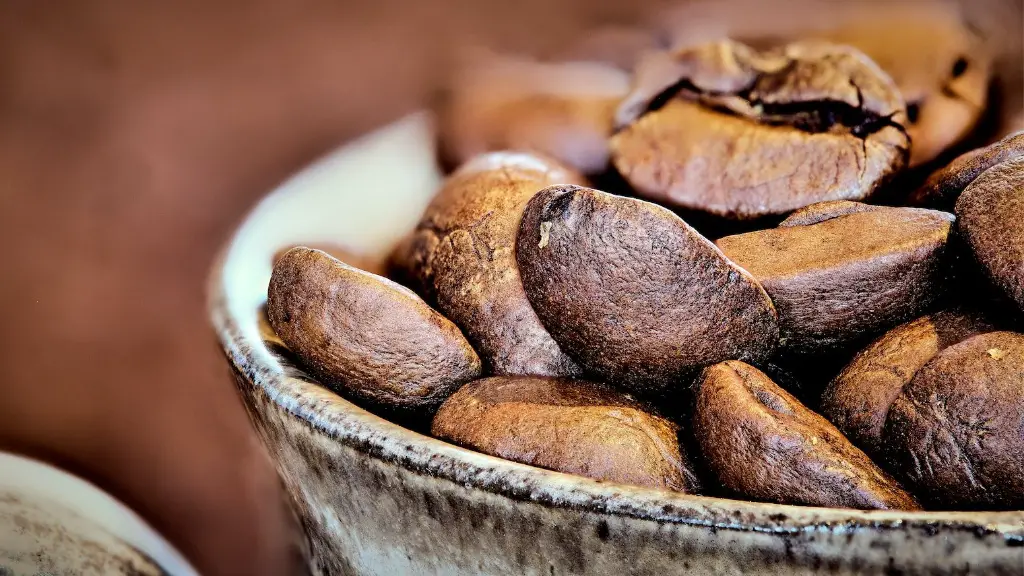
One of the best things about coffee is probably the fact that it contains antioxidants, minerals and vitamins like potassium, which are essential for the body. Additionally, coffee is known to improve physical performance, enhance alertness and generally make us feel better. For those reasons, it might be a great idea to drink some coffee when dehydrated, especially if you’re looking for a pick-me-up.
It’s worth mentioning that, if you’re going to drink coffee when dehydrated, it might be a good idea to try some alternatives, such as drinking herbal tea or green tea. Not only are they healthier choices but they are also known to provide antioxidants which can help with hydration.
Ultimately, whether or not coffee works as a hydrating option really depends on the individual. If your body is used to caffeine and if you’re feeling tired and thirsty, then there’s nothing wrong with drinking some coffee in moderation. However, for those of us that don’t consume coffee on a regular basis, it might be best to avoid it altogether.
Health Benefits of Drinking Coffee
We’ve already mentioned some of the health benefits associated with drinking coffee, but let’s review them in a bit more detail. Firstly, coffee can help us improve our physical performance and endurance because it’s full of several compounds (such as caffeine, polyphenols and chlorogenic acid) that can help us fight fatigue and enhance mental alertness.
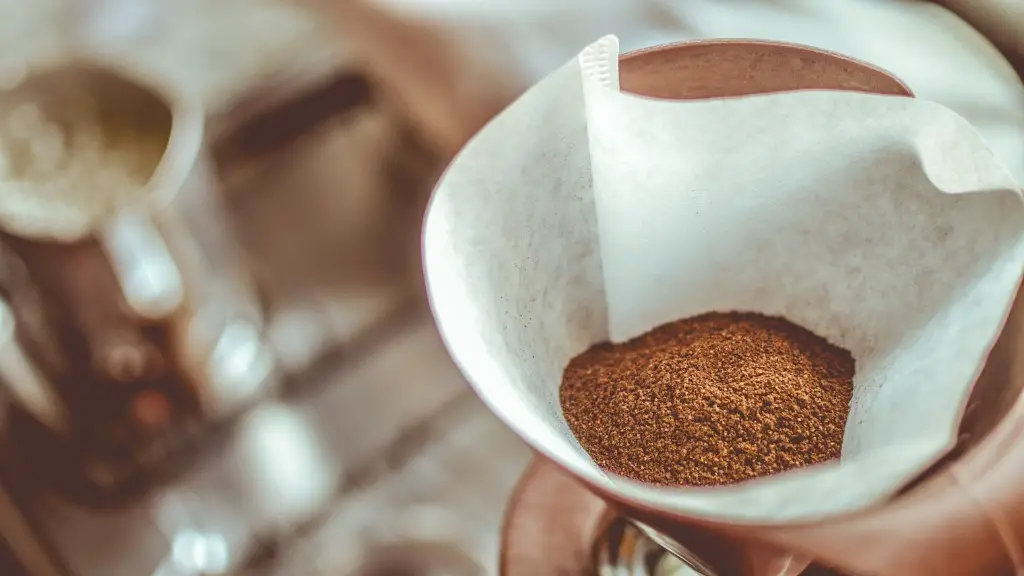
Coffee has also been linked to improved physical performance and consequently, an improved quality of life. Additionally, coffee is rich in beneficial antioxidants that can help our cells by protecting them from damage caused by pollutants, toxins and other environmental factors.
Last but not least, coffee has also been linked to a reduction in obesity, type 2 diabetes and even Alzheimer’s disease. All of these health benefits can be achieved by simply consuming coffee in moderation, which means that drinking coffee when dehydrated is only likely to be beneficial for us.
Diuretic Effects of Coffee
Coffee is known to have diuretic properties, meaning it can make you urinate more often and thus, lose more water than usual. Although this sounds bad, it might not actually be that risky considering that the amount of fluids lost is equal to the amount of water contained in the coffee. In other words, you won’t be losing more water than you’re taking in from the coffee.
Nonetheless, it’s important to keep in mind that coffee can demand more water than other beverages, due to its diuretic properties. Since one of the main reasons to avoid coffee when dehydrated is the risk of losing too much water, it’s worth trying to avoid drinking it in excess, or at least make sure to drink plenty of other liquids, such as water and juices, in order to compensate.
Risks of Drinking Too Much Coffee
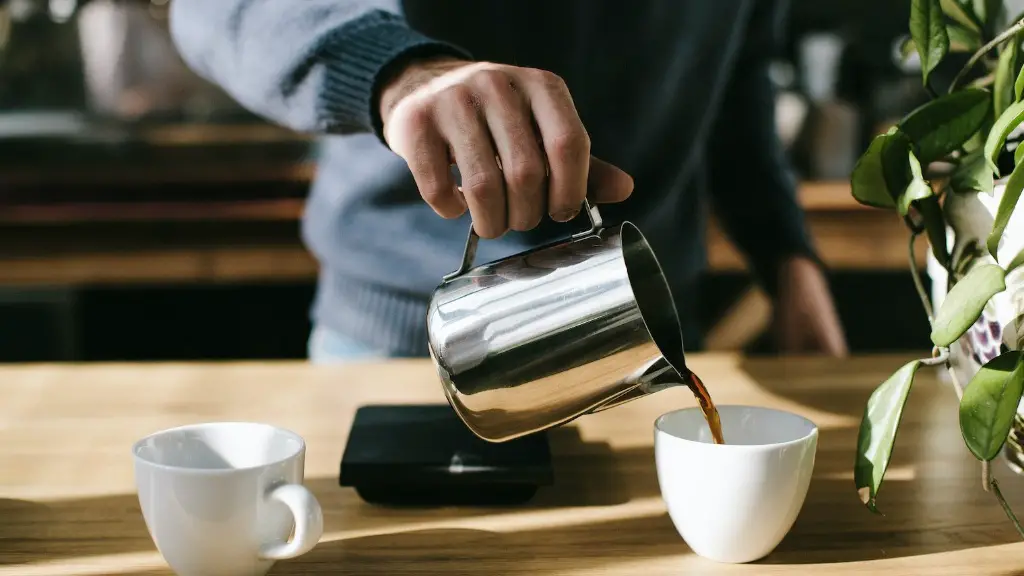
Just like any other popular beverage, coffee has its risks. Although the majority of people won’t experience anything negative from drinking it, those who consume it in excess will be more likely to do so. Some of the most common risks are increased anxiety, insomnia, headaches, and nausea.
Additionally, individuals with hypertension (or high blood pressure) should be especially careful when it comes to consuming coffee. Studies have suggested that, if consumed in excess, coffee can lead to elevated blood pressure, which can increase the risk of developing serious health conditions such as heart disease and stroke.
Conclusion
In conclusion, there’s no need to feel guilty for drinking coffee when feeling dehydrated. As long as it’s consumed in moderation, there are many benefits to be had from drinking coffee, ranging from improved physical performance to the potential prevention of serious health conditions.
However, it’s important to keep in mind that drinking coffee does raise the risk of dehydration and thus, it might be best to stick to some non-caffeinated alternatives, such as herbal tea or green tea. With that being said, there’s nothing wrong with drinking some coffee from time to time, just as long as you don’t go overboard.
Caffeine Content of Coffee

Caffeine is what makes coffee special, and it’s also one of the main reasons why many people avoid it. Generally speaking, most coffees contain between 60 and 180 milligrams of caffeine in a cup; however, this can vary greatly depending on the type of coffee and how it was prepared.
If you’re looking to get the most out of your coffee, but still want to avoid too much caffeine, then it might be a good idea to opt for decaffeinated coffee or cold brew. Additionally, those who consume regular coffee should take into account that a cup can contain anywhere from 70 to 140 milligrams of caffeine; therefore, it’s best to stick with one cup to avoid potential side effects.
Alternative Ways To Hydrate
If you’re feeling dehydrated but don’t want to consume coffee, then there are some other options. To begin with, drinking plenty of water is essential for hydration. Additionally, other liquids such as herbal tea and fruit juices can also help provide some hydration, although they might not be as hydrating as water alone.
Apart from liquids, there are some foods that can help rehydrate our bodies, such as bananas and watermelon. In addition, we can also get some hydration through foods that are high in water content, such as fruits, lettuce and cucumbers. As long as we don’t forget to stay hydrated, we’ll be able to make sure that our bodies are well-nourished.
Tips For Staying Hydrated

To stay hydrated, it’s important to drink plenty of liquids throughout the day. However, it’s also important to pace yourself and not to drink too much in a short period of time. Additionally, it’s best to avoid sodas, energy drinks and other sweetened beverages, as these can actually lead to dehydration in the long run.
It’s also important to focus on eating a balanced diet and to avoid foods that are high in sodium, as this can contribute to dehydration. Furthermore, drinking plenty of water before and after exercise can help replenish the water that is lost during physical activity, while staying hydrated can also help reduce the risk of headaches, fatigue and other unpleasant symptoms.
