
Coffee and the keto diet appear to be a great pair offering a range of potential benefits. Coffee has been a popular staple to millions around the world and is known to have a positive effect on certain aspects of life, such as focus and productivity. Meanwhile, the keto diet is becoming increasingly popular within nutrition circles, with more looking to reduce their carbohydrate intake and increase the amount of fats they consume. So, the burning question: is it possible to drink coffee while on the keto diet?
To answer this question, let’s first examine the components of coffee: caffeine and antioxidants. Caffeine is a natural stimulant that can help increase alertness, focus, and productivity. It is also thought to increase metabolism, decrease fatigue, and reduce muscle pain. Meanwhile, antioxidants are thought to provide health benefits by fighting the damage caused by free radicals. Free radicals can damage the body and increase the risk of chronic diseases such as diabetes, cancer, Alzheimer’s, and chronic inflammation.
Types of Coffee
When it comes to coffee, there are two main types: regular coffee and decaf. Decaf is lower in caffeine, but often provides some of the same benefits as regular coffee. For example, decaffeinated coffee can still provide some of the same health benefits that regular coffee does, including the antioxidants and other compounds found in coffee. Therefore, when deciding whether or not to drink coffee while on the keto diet, the type of coffee is an important factor to consider.
How Coffee Affects Keto Diet
In terms of how coffee affects the keto diet, it’s important to note that coffee can be a very helpful tool. For those who are following a ketogenic diet, coffee can help suppress hunger, which can help regulate blood sugar levels and keep cravings at bay. Additionally, coffee can increase energy levels and improve mental focus, which can help people stay on track with the diet and achieve their goals.
However, it’s also important to note that there are some potential drawbacks of drinking coffee while on the keto diet. For example, if consumed in too high of quantities, caffeine can interfere with the body’s natural sleep cycle. This can lead to fatigue and other adverse effects, which could hinder the success of any diet. Additionally, those with chronic health conditions or who may be sensitive to caffeine should consult their physician before regularly consuming coffee.
Should You Drink Coffee When Doing Keto?

For most people, drinking black coffee and other zero-calorie beverages can be beneficial for those following a ketogenic diet. While some caution should be taken with regards to caffeine consumption, with black coffee and other low-calorie drinks, it can be a great way to benefit from the positive effects of coffee, without the drawbacks associated with sugary drinks and other indulgences.
However, it’s important to remember that everyone’s body is different, and those with certain risk factors should consult their physician before making any significant changes to their diet. Additionally, it’s important to keep in mind that a balanced approach to nutrition and lifestyle is key to achieving any kind of diet goal.
Common Questions
When it comes to coffee and the ketogenic diet, there are several common questions that come up. Can you drink coffee while on the diet? Is coffee good for ketosis? Is coffee bad for ketosis?
The answer to all of these questions ultimately comes down to the individual and their own specific health needs. Coffee can be incredibly beneficial for those following a ketogenic diet, but the type of coffee, the frequency of consumption, and the risk factors of the individual are all important factors to consider.
Additional Considerations
In addition to the type of coffee and the frequency of consumption, those on the ketogenic diet should also consider any additional ingredients that may be added to their coffee. Milk and cream can sneak in calories that can add up quickly, and sweeteners should be avoided entirely. If added ingredients are necessary, it’s best to use natural options such as coconut oil, almond milk, or avocado. Additionally, it’s important to note that those following the keto diet should also be mindful of their electrolyte balance and should aim to stay hydrated.
Incorporating Coffee Into Keto Diet
Overall, if added in a smart and mindful way, coffee can be a great addition to a ketogenic diet. Those who are looking to include coffee should remain mindful of any potential risks including caffeine sensitivity and dehydration. Additionally, it’s important to remember that coffee should not be used as a substitute for a healthy, balanced diet. But for those looking to take advantage of the potential health benefits of coffee and the keto diet, incorporating coffee in moderation can be beneficial.
Caffeine Content
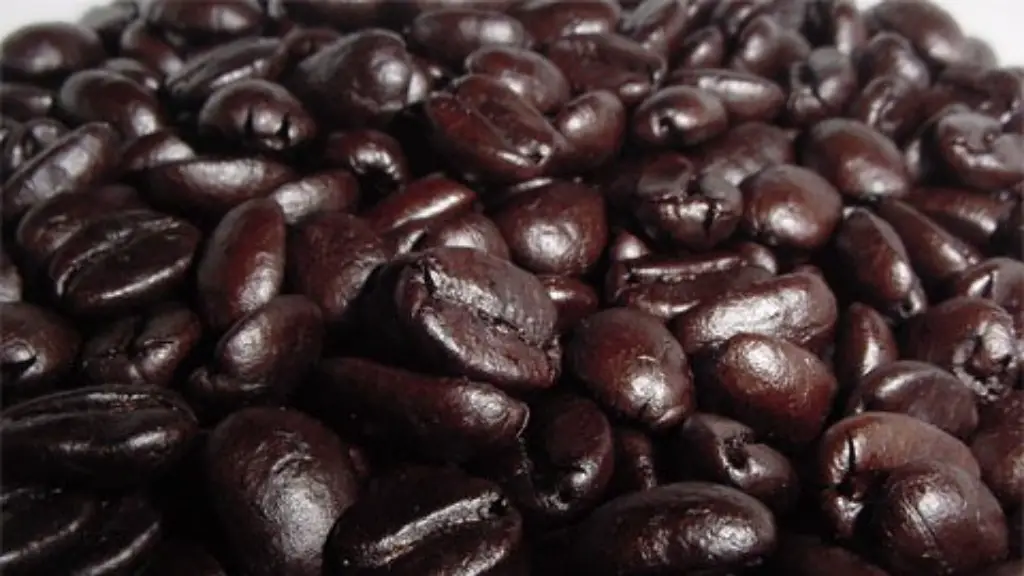
When incorporating coffee into a keto diet, it’s important to note the amount of caffeine in each type of coffee. For example, one cup of regular coffee typically contains about 95-165 mg of caffeine, whereas decaffeinated coffee contains about 2-12 mg. Similarly, espresso and cold brew contain 63-100 mg and 80-170 mg of caffeine, respectively.
Due to the varying caffeine content of each beverage, those looking to incorporate coffee into their keto diet should consider the total daily caffeine intake they’re consuming and should experiment with different types of coffee to find the right balance that works for them.
Alternatives to Coffee
Finally, for those who are looking to avoid caffeine altogether, there are several alternatives to coffee that can still provide health benefits while on the keto diet. For example, green tea, bone broth, and herbal tea can all provide a source of hydration and can help with hunger regulation. Additionally, these drinks are typically much lower in caffeine and can provide additional health benefits such as increased energy, improved digestion, and reduced inflammation.
