
It is well known that coffee plays a major role in almost every individual’s daily lives, so it is no surprise that people tend to think about whether or not it is okay to drink coffee during a detox. Many may view this as being of a great deal of importance due to the fact that coffee is a well-known stimulant that tends to play an important role on how the body functions.
When considering whether or not it is okay to drink coffee during a detox, there are several factors that need to be taken into account. Firstly, it is important to understand the effects of drinking coffee on the body, the type of detox being undertaken, the individual’s goals, the individual’s health and medical history, and the frequency and quantity of the coffee consumption.
Coffee is known to have a stimulating effect on the body, which may be favoured by some individuals in order to stay alert and maintain focus. However, drinking coffee in excessive amounts may cause the body to become overly stimulated and as a result, make it much harder to achieve the desired result of a detox. In addition to this, excessive caffeine intake can also cause the body to become more sensitive to the effects of other stimulants, such as alcohol and other drugs, which can prove to be hazardous in some cases.

In terms of the type of detox one is undertaking, it is important to take into consideration that different types of detox require different approaches in order to achieve the desired result. For example, some detoxes may require individuals to avoid all forms of stimulants, including caffeine, in order to achieve the desired results. As such, individuals need to be aware that certain detoxes may not allow them to drink coffee at all, or even in limited quantities.
The individual’s goals, health and medical history, and frequency and quantity of coffee consumption are important factors to consider when determining if it is okay to drink coffee during a detox. For example, individuals with a history of heart disease or hypertension, or those looking to lose weight, may need to avoid drinking coffee during a detox as it tends to increase the heart rate, which can be detrimental in some cases. Similarly, individuals who are more frequent coffee drinkers may find it more difficult to sustain abstinence and may need to reduce their intake in order to not experience withdrawal symptoms.
Generally, experts suggest that individuals should limit their intake of coffee during a detox, as excessive intake of coffee can lead to a range of potential side-effects. However, some experts suggest that the benefits of drinking coffee during a detox, such as increased focus and alertness, may outweigh the risks, depending on the individual’s goals, health and medical history, and the quantity of coffee consumed.
In conclusion, whether or not one should drink coffee during a detox depends on a range of factors, including the effects of coffee on the body, the type of detox being undertaken, the individual’s goals, health and medical history, and the frequency and quantity of coffee consumed. As such, it is important for individuals to consider these factors in order to establish if it is okay for them to drink coffee during a detox.
The Benefits of Drinking Coffee During a Detox
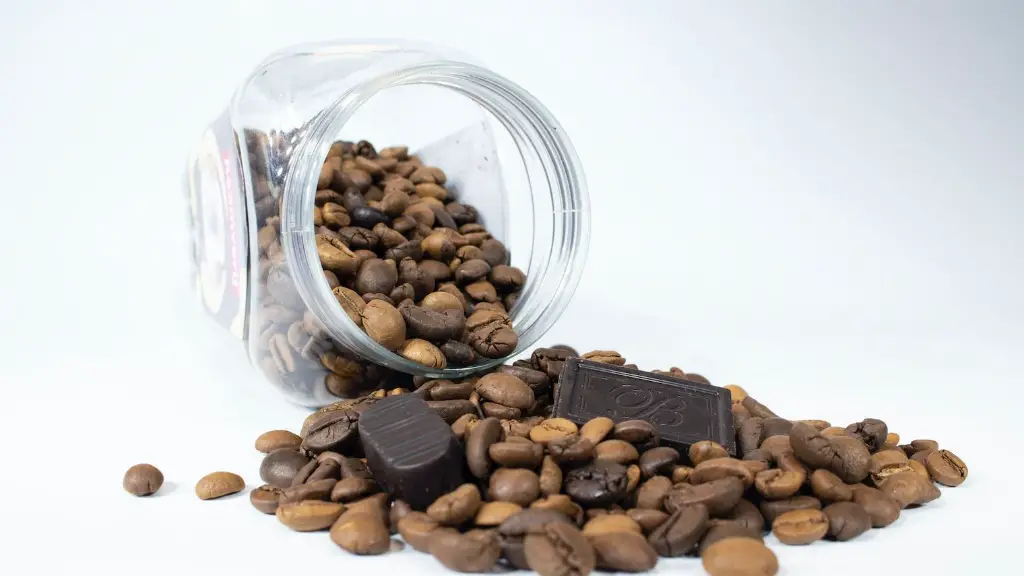
It is widely accepted that consuming coffee during a detox can provide a range of benefits that can aid individuals in achieving their desired results. For example, coffee can help to increase concentration, alertness, and focus, which in turn can help people to stay on top of their detox regimes and reach their desired fitness goals quicker.
Coffee also contains several beneficial compounds, such as caffeine and antioxidants, which can help to boost metabolism and the burning of body fat. Furthermore, the presence of beneficial compounds in coffee can also help to protect against the potential side effects of detoxing, such as headaches, which can often be damaging to an individual’s health. As such, it may be beneficial for individuals to consume coffee during a detox in order to gain the benefits that it can provide.
One of the main benefits of consuming coffee during a detox is its ability to help individuals reduce their cravings for unhealthy foods. Caffeine has an appetite-suppressing effect which can help individuals to eat less and maintain a healthy weight. Similarly, coffee can also help individuals to reduce their cravings for sugar and other unhealthy, processed foods, which can be detrimental when undertaking a detox.
Finally, coffee is also a great source of energy and can help individuals stick to their detox regimes more effectively, as it can provide them with the energy they need to exercise and stay active. Coffee also helps to counteract fatigue and can help individuals stay alert and focused, allowing them to complete their detox regimes with ease.
Health Risks Associated with Drinking Coffee During a Detox
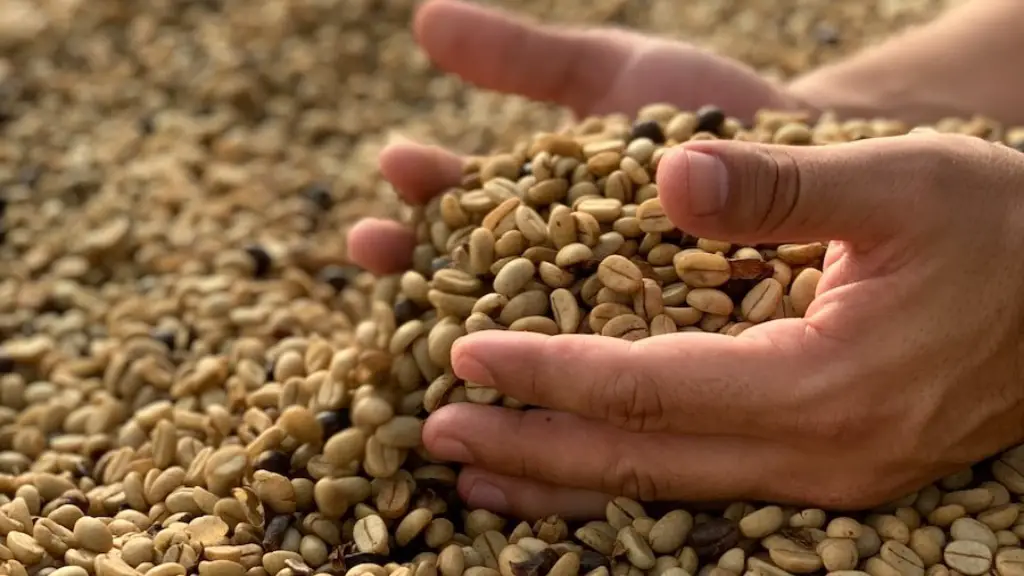
Whilst coffee can be beneficial in aiding individuals in achieving their desired results during a detox, it is important to be aware that drinking coffee can also be associated with certain negative health risks. One of the main risks associated with consuming coffee during a detox is the potential for addiction. Caffeine can be highly addictive, so it is important for individuals to be mindful of the amount of coffee they are drinking, as drinking too much can result in caffeine addiction.
Furthermore, it is important to be aware that drinking too much coffee can often lead to anxiety and jitteriness, as well as headaches, nausea and insomnia. Therefore, it is important to be mindful of the amount and frequency of coffee consumed, in order to avoid any potential adverse side-effects. Additionally, coffee can also be dehydrating, which is an important factor to consider when detoxing, as the body needs to be adequately hydrated in order to be able to flush out toxins effectively.
In addition to this, the presence of cafestol in coffee can also be damaging to the body, as it increases cholesterol levels and can put individuals at risk of cardiovascular disease and other heart-related ailments. Therefore, it is important for individuals to be aware of the potential risks associated with consuming coffee and to monitor their coffee intake in order to avoid any detrimental consequences.
Finally, individuals who are pregnant have been advised to avoid drinking coffee during a detox, as excessive intake of caffeine has been linked to a range of potential complications during pregnancy. Therefore, it is important for individuals to assess their individual circumstances and take into consideration any potential health implications when deciding whether or not to consume coffee during a detox.
Alternatives to Drinking Coffee During a Detox

For individuals who may not want to, or may not be able to, consume coffee during a detox, there are a number of alternatives that can be consumed instead. For example, green tea is often seen as a suitable alternative to coffee, as it is lower in caffeine, contains beneficial antioxidants, and can provide the body with energy without the risk of addiction. Additionally, selected herbal teas, such as chamomile, ginger, and peppermint, can provide a range of health benefits and can help to reduce any potential side-effects associated with a detox.
Other alternatives include rooibos tea, which is caffeine-free and provides the body with beneficial compounds, such as antioxidants and polyphenols. Additionally, lemon water can help to flush out toxins whilst providing the body with vital electrolytes, and juice cleanses can also be beneficial when undertaking a detox. As such, there are a range of alternatives that individuals can consume instead of coffee in order to achieve the desired results during a detox.
Tips for Drinking Coffee During a Detox
For individuals who are looking to consume coffee during a detox, there are several tips that they should be mindful of in order to optimise the benefits that they can gain. One of the main tips is to drink coffee in moderation, as this can help to reduce the risk of addiction and any potential side-effects associated with excessive amounts of caffeine consumption. Furthermore, individuals should also avoid adding sugar or cream to their coffee, as the consumption of sugar can be especially damaging when on a detox.
Due to the diuretic effect of coffee, which can leave the body dehydrated, it is important to ensure that an adequate amount of water is consumed when drinking coffee during a detox. Additionally, individuals should opt for high-quality coffee as this can provide a range of beneficial compounds, such as antioxidants, and can help to improve the overall taste and quality of the coffee.

Finally, it is important to be mindful of the type of coffee being consumed during a detox, as some types of coffee can be extremely detrimental to the process. In particular, it is important that individuals refrain from consuming instant coffee, as this can be extremely harmful to the body, as the process it undergoes strips away the beneficial compounds and has been linked to several potential health risks. As such, individuals should make sure they are aware of the type of coffee they are consuming and take the necessary steps to ensure that they are opting for the best possible option.
