Introduction
Whenever the topic of being pregnant comes up, the question of what drinks are safe for the mother-to-be always follows. In the past, it was generally accepted as safe for pregnant women to consume decaffeinated coffee. But with the advent of new scientific studies, this is no longer the case for all pregnant women. This article will explore the pros and cons of allowing pregnant women to drink decaf coffee and the impact this could have on their own health and wellbeing.
The Role of Caffeine
Caffeine is the main ingredient found in coffee and is considered to be a mild stimulant. Pregnant women need to be conscious of their caffeine intake as too much can be dangerous for the developing baby. As with any drug, it can cross the placenta and impact the baby’s growth and development. Too much caffeine intake during pregnancy can lead to birth defects and pre-term labor.
In order to avoid any potential health risks, pregnant women should reduce their caffeine intake during pregnancy. The American College of Obstetricians and Gynecologists (ACOG) currently advises pregnant women to consume no more than 200 mg of caffeine per day, which is equivalent to just one to two 8-ounce (240 mL) cups of coffee.
Decaffeinated Coffee
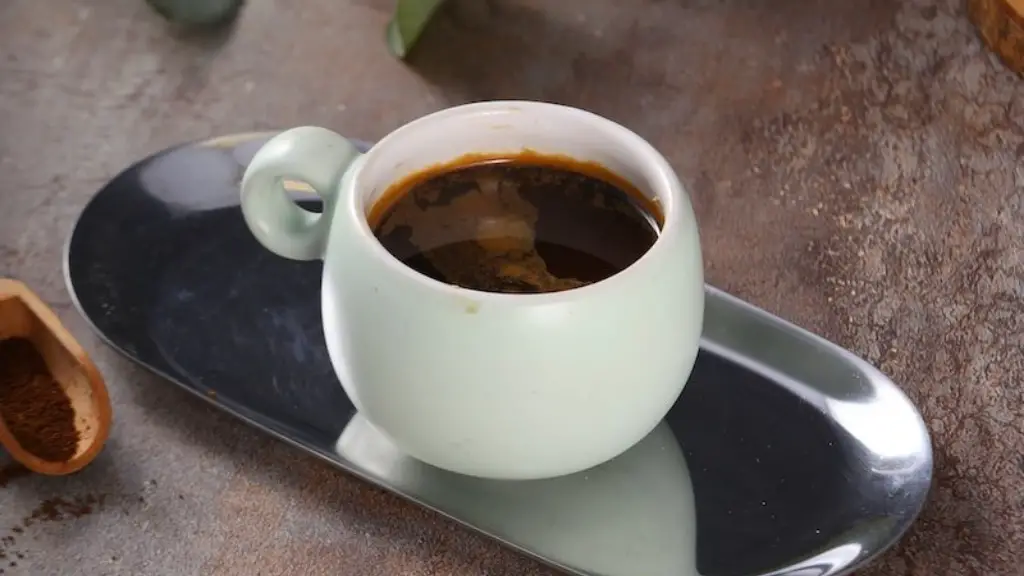
Decaffeinated or decaf coffee is a special type of coffee that has had part of the caffeine removed. It typically contains only 3 to 12 mg of caffeine per cup, compared to regular coffee, which can have 60 to 150 mg of caffeine per cup. Thus, pregnant women are able to enjoy the taste of coffee without consuming the full amount of caffeine.
However, decaf coffee still contains some amount of caffeine and ingesting more than the recommended amount can still put a pregnant woman at risk. Long-term studies have found that drinking four or more 8-ounce cups of decaf coffee per day during pregnancy may be linked to an elevated risk of preterm birth and low birth weight. Therefore, it is important to limit one’s intake of decaf coffee.
Alternatives to Decaf Coffee

For those seeking an alternative to decaf coffee during pregnancy, some of the most popular substitutes include: herbal teas, freshly-squeezed fruit juices, hot chocolate, warm milk, and water.
Herbal teas, such as chamomile, mint, and ginger, have many beneficial properties and contain very low amounts of caffeine. Freshly-squeezed lemon, orange, or cranberry juice can be particularly refreshing on hot days. Hot chocolate, warm milk, and even plain water are all excellent hydrators and can provide comfort to a pregnant woman’s tired body.
What Benefits Can Coffee Bring?
Coffee, including decaf coffee, can be beneficial for pregnant women in some ways. For one, it contains antioxidants that can help reduce inflammation and prevent disease. It is also a source of potassium, magnesium, and B vitamins, all of which can help improve the body’s overall health. Research has even shown that moderate coffee consumption in pregnancy, including consumption of decaffeinated coffee, may reduce the risk of gestational diabetes and pre-eclampsia.
The Bottom Line
Decaffeinated coffee can be consumed in moderation during pregnancy, however it is important to practice caution and ensure that the intake does not exceed the recommended 200 mg of caffeine per day. Pregnant women should also consider other healthier alternatives such as herbal teas, freshly-squeezed juice, warm milk, and hot chocolate. Lastly, coffee including decaf coffee may have some beneficial properties as well so pregnant women should not completely avoid coffee as long as it’s consumed in moderation.
Can Pregnant Women Drink Decaf Coffee? The Verdict
The verdict is in— and the answer to the question of whether pregnant women can drink decaf coffee is a resounding “it depends.” Decaffeinated coffee does contain some amount of caffeine and should be consumed in moderation. Pregnant women should also consider healthier alternatives such as herbal teas, freshly-squeezed juice, warm milk, and hot chocolate. Lastly, coffee including decaf coffee may have some beneficial properties as well so pregnant women should not completely avoid coffee as long as it’s consumed in moderation.
Can Decaffeinated Coffee Put Pregnant Women At Risk?
It is important to note that decaffeinated coffee can still pose some risks to pregnant women. Long-term studies have found that drinking four or more 8-ounce cups of decaf coffee per day during pregnancy may be linked to an elevated risk of preterm birth and low birth weight. Therefore, it is important to limit consumption of decaf coffee.
Tailoring Intake To Unique Circumstances
Every pregnant woman’s situation is unique and individual. Factors such as medical history, lifestyle habits, and other medical conditions must be taken into consideration when determining the appropriate amount of decaffeinated coffee to drink.
Pregnant women with pre-existing health conditions such as hypertension or diabetes should discuss their caffeine intake with their healthcare provider to make sure it is safe for them to consume. As with any other medication or substance, pregnant women should consult their doctor prior to drinking any decaffeinated coffee and follow their individualized advice.
Opportunities for Further Research
Due to the unique relationship between a developing baby and mother, studying the effects of products such as decaf coffee can be difficult. More research is needed to gain a better understanding of the long-term effects of consuming decaffeinated coffee during pregnancy.
Research has already begun to suggest potential health benefits of decaffeinated coffee, such as its potential role in the prevention of gestational diabetes and pre-eclampsia, yet further large-scale studies are needed to confirm these findings.
The Moderation Debate
Health professionals may disagree on the suggested amount of safe decaf coffee consumption during pregnancy, but ultimately the consensus is that it is important to practice moderation. Depending on the individual and their medical history, some might decide it is best to avoid decaf coffee altogether.
The important thing to remember is that ultimately, it is each pregnant woman’s individual responsibility to understand the risks associated with their own unique health situation and make their own informed decisions about their coffee consumption.
A Balancing Act

Being pregnant can already feel overwhelming, and having to make decisions about what to consume or avoid can be a challenge. It is a balancing act between enjoying the cup of coffee, being mindful of caffeine’s risks, and understanding that certain products, like decaf coffee, may still have some amount of caffeine.
Navigating the world of pregnancy can sometimes be tricky and understanding what is safe to consume and what isn’t is important. But with a little research, guidance from healthcare professionals, and knowing what is right for each individual’s health, pregnant women can still enjoy a cup of decaf coffee during their pregnancy if they choose to.
