
Can you drink coffee when you’re fasting? It’s an interesting question that many people have. Many believe that coffee can help them with fasting, while others believe that it can break the fast. To better understand the issue, let’s take a look at what fasting is and the potential effects that coffee can have on it.
Technically, fasting is the process of abstaining from food and drink. However, the term is often used to refer to intermittent fasting, which is a term used to describe an eating pattern that cycles between periods of fasting and eating. Intermittent fasting has gained popularity in recent years, with many people swearing by it for weight loss and other health benefits.
The question is, can you drink coffee when you’re fasting? Generally speaking, the answer is yes. Coffee, especially black coffee, is relatively low in calories and has no major effect on blood sugar or insulin levels. This means that drinking coffee won’t break your fast or affect your weight loss results, as long as you don’t add any sugars or milk.

However, there are other considerations to keep in mind. For one thing, the caffeine in coffee can give you a boost of energy. This can be beneficial, as it can help to reduce fatigue and hunger while fasting. However, it can also have a counterproductive effect, as it may make it harder to get to sleep if you’re trying to rest during the fasting period.
In addition, some people may experience negative side effects from caffeine, including gastrointestinal issues, jitteriness, and headaches. If you are sensitive to caffeine or have any sort of health condition, you may want to talk to your doctor before drinking coffee during fasting.
It is also important to keep in mind that caffeine is a diuretic, meaning that it can make you urinate more frequently. While this may not be a major issue for some people, it can be problematic for those who are hydrated and need to drink extra fluids for a longer period of time during their fasting period.
All in all, it is possible to drink coffee while fasting. However, it is important to keep in mind that it can have an impact on your energy levels and hydration, and should be done with caution. If you are sensitive to caffeine or have any kind of health condition, it is always advisable to speak to your doctor before changing your diet in any way.
Effects on Mental Function
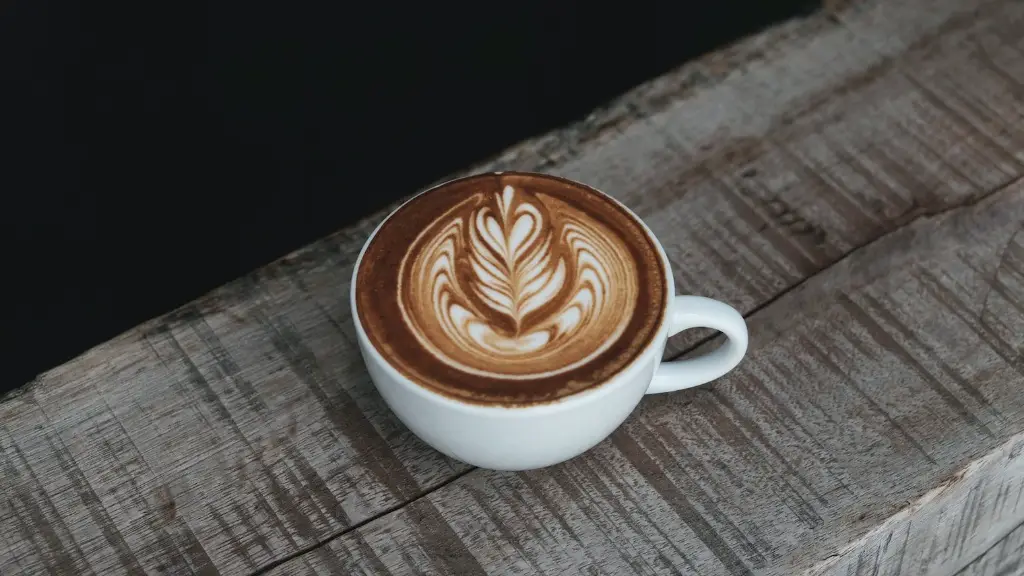
Caffeine is known to have a positive effect on mental energy and focus. It works by increasing levels of dopamine and acetylcholine in the brain, leading to improved alertness and concentration. This can be particularly beneficial for those who are fasting, as it can help to counter fatigue and keep them focused and productive.
In addition to its immediate effects on mental function, research suggests that regular caffeine intake can have more long-term benefits. Studies have shown that people who drink caffeine regularly have better overall cognitive performance, which could be due to the stimulant’s ability to increase alertness and focus.
On the other hand, some people may find that caffeine can be overly stimulating and counterproductive to their mental clarity. If you find yourself feeling jittery or unfocused after drinking coffee, it may be worth considering switching to decaffeinated or using an alternate form of energy such as green tea.
Finally, it is important to remember that moderation is key when consuming caffeine, even during fasting. If you drink too much caffeine, it can cause negative side effects such as headaches and insomnia. It is therefore important to drink coffee in moderation, according to your own needs and preferences.
Does It Break the Fast?
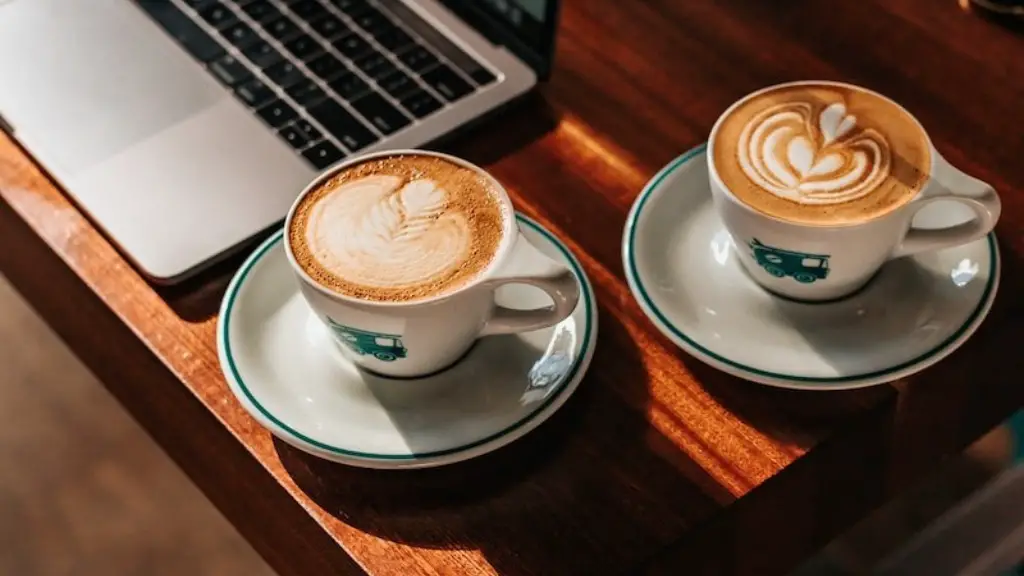
Intermittent fasting is often considered to be a form of calorie restriction, and it is generally accepted that any food or drink that contains calories would break the fast. Since black coffee is relatively low in calories— usually around 5 calories an ounce— it is generally considered to be safe to consume while fasting.
The decision to drink coffee while fasting is ultimately up to you, and what works for some people may not work for others. Some people prefer to abstain from coffee during fasting to avoid disrupting their energy level and hydration, while others find that coffee helps them cope with hunger and fatigue during their fasting hours.
In any case, it is important to remember that it is possible to drink coffee while fasting without breaking the fast. As long as you keep your coffee black and choose to drink during your eating hours, there should be no issues.
Hydration Considerations
It is important to remember that caffeine can act as a diuretic and make you pee more frequently. As such, it is important to make sure that you are drinking enough fluids during your fasting period. This is especially important if you are drinking coffee, as it can quickly lead to dehydration. The best way to prevent this is to make sure that you are drinking plenty of water during the day.

This is especially important during your fasting period. If you are feeling thirsty and are tempted to reach for coffee, it is best to opt for water instead. Not only is it good for hydration, it is also calorie-free and can help to fill you up.
It is also important to keep in mind that coffee does not provide the same level of hydration as plain water. While it is ok to drink coffee while fasting, it is still essential to get enough water as well. Otherwise, you may start to feel fatigued or dehydrated.
Nutrition Considerations
Finally, it is important to remember that while coffee won’t break the fast, it doesn’t provide any nutrition either. If you are fasting for health reasons, it is important to make sure that you are getting enough nutrition from other sources. This can include foods like eggs, nuts, and whole grains, as well as healthy sources of fat.
Coffee, while beneficial, is not a substitute for a balanced diet. If you are on a fasting diet, you will still need to get enough calories, protein, vitamins and minerals from other sources in order to stay healthy. Coffee can be enjoyed as an occasional treat, but should not be consumed as a replacement for regular meals and snacks.
Side Effects
Like any stimulant, caffeine can come with some unpleasant side effects. People who are sensitive to caffeine may experience negative reactions such as headaches, insomnia, jitteriness, and gastrointestinal issues. For those who are prone to anxiety or caffeine sensitivity, it may be best to avoid drinking coffee during fasting.
In addition, it is important to remember that caffeine is a diuretic and can cause dehydration. This is especially true if it is hot, as hot coffee can increase thirst and make it harder to stay hydrated. It is therefore important to make sure you are drinking plenty of water while fasting, especially if you are drinking coffee.
It is also important to remember that caffeine can be addictive. If you find yourself relying on coffee to make it through the day, it might be time to rethink your caffeine intake. Regular caffeine use can quickly lead to dependence, so it is important to keep an eye on your intake and be aware of the potential risks.
In Summary
In conclusion, it is possible to drink coffee while fasting. However, it is important to remember that caffeine can be stimulating and make it harder to get to sleep. It can also cause dehydration, so it is essential to make sure you are staying hydrated during your fasting period. Finally, it is important to keep in mind that coffee does not provide any nutrition, so it is best to get your calories and nutrients from other sources.
