
For expectant mothers, there are numerous opinions on whether or not it is safe to drink coffee during pregnancy. Some say it should be avoided completely and some suggest that a cup every now and then can be acceptable. Therefore, finding the best solution for each woman requires a little bit of research, the opinion of a medical professional and the readiness to make informed decisions.
Caffeine is a stimulant drug found in coffee, tea, chocolate and some other foods and drinks. The amount of caffeine in a cup of coffee or other food or drink varies and can range from a small amount (such as in tea) to a large amount (such as in some energy drinks). Most people metabolize caffeine relatively well, however, it more slowly during pregnancy and can potentially stay in the system longer.
Large amounts of caffeine may increase the risk of miscarriage, preterm birth, and having a low birth weight baby. Therefore, coffee should be consumed in moderation. According to the American College of Obstetricians and Gynecologists (ACOG), pregnant women should limit caffeine intake to 200mg or less per day, which is approximately one 12 ounce cup of coffee.

It is also important to keep in mind that coffee may interfere with the absorption of essential vitamins and minerals. Therefore, pregnant women should consider adding foods or supplements that contain important nutrients such as calcium, iron and folate. In addition, women should increase their water intake during pregnancy to ensure that they stay well hydrated.
To ensure the safety of an unborn child throughout a pregnancy, it is important to take into consideration individual health conditions, family history, lifestyle and preferences. For example, women who are caffeine-sensitive should limit their caffeine intake while pregnant and seek medical advice. Similarly, women with conditions such as hypertension, diabetes, or high-risk pregnancies should consult their healthcare provider before consuming caffeine.
In general, there is no need for expectant mothers to swear off coffee completely. By following a few guidelines, women can enjoy coffee in moderation and reap rewards such as improved alertness and mood. Ultimately, the decision whether to drink coffee during pregnancy rests with each woman and her doctor as to what is safest for her individual needs.
Coffee vs Tea
The amount of caffeine in coffee and tea varies depending on the variety, amount added and brewing method. According to the Mayo Clinic, 8 ounces of regular brewed coffee contains around 95-200mg of caffeine and 8 ounces of brewed tea contains around 47-64mg. It is important to note that some speciality drinks, such as cappuccinos, may contain significantly more caffeine.
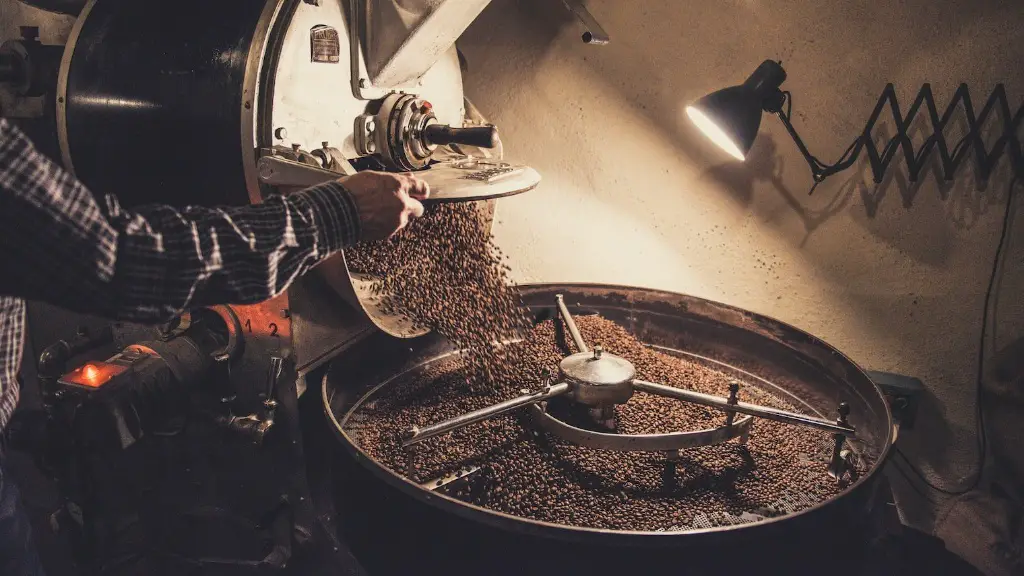
Coffee and tea are both good sources of antioxidants and polyphenols, which can be beneficial for pregnant women. The polyphenols in coffee may also aid in blood sugar regulation and reduce the risk of chronic diseases. Additionally, tea contains flavonoids, which can have beneficial effects on pregnancy and the baby’s health.
When considering which to choose, it is important to take into account individual health conditions. For example, if hypertension or diabetes is present, it is prudent to select caffeinated beverages with little to no sugar content. Women should also be aware of the caffeine and sugar content of the beverage and take care to avoid over-consuming either.
Health Benefits of Coffee
Coffee has long been consumed as part of a healthy lifestyle. Recent research has hinted at potential health benefits of drinking coffee during pregnancy, including improved fetal neurodevelopment, lower risk of preeclampsia, and shorter labor duration. However, further research is needed to determine whether this benefit is significant or not.
In addition, caffeine can help to combat fatigue and improve alertness during pregnancy. Studies have also suggested that moderate coffee intake may protect against depression during pregnancy. Given its stimulating effects on the body, coffee has been used to improve mood and energy levels, which can be beneficial for pregnant women.
The Final Word

In summary, the decision to drink coffee during pregnancy depends on individual needs and preferences – and of course, advice from the obstetrician. Moderation is key – no more than 200mg per day – and if expecting mothers feel that is too much, then it is best to avoid coffee altogether. Women should also be mindful of their total caffeine intake across all sources, such as tea, chocolate and colas.
For those who can’t or choose not to drink coffee, alternatives such as herbal teas, decaffeinated coffee and sparkling water are available. These can provide similar stimulating effects, while also offering additional hydration and nutrients. Ultimately, the importance of consulting with a healthcare professional before making any decision cannot be overstated.
Types of Coffee to Avoid
Expectant mothers should be particularly careful when selecting their coffee. Highly processed, prepackaged coffees should be avoided, as they are often filled with preservatives and additives, which can be unsafe for pregnant women. Similarly, speciality drinks, such as cappuccinos, can contain more caffeine than traditional cups of coffee, so it is important to check the contents carefully.
In addition, instant coffee and granulated coffees contain more caffeine than their filtered counterparts. With this in mind, pregnant women should opt for filter or espresso coffee, which may contain significantly less caffeine than the instant variety. Women should also be aware of the caffeine content of the product before making any decisions.
Healthcare Professional Consultation

Before making any decisions about drinking coffee during pregnancy, it is important to consult with a healthcare provider. An obstetrician can provide important advice about individual lifestyle, family history, and tendencies towards a high-risk pregnancy. Additionally, any existing health conditions – such as high blood pressure, gestational diabetes, or allergies – may impact the decision.
The bottom line is that drinking coffee during pregnancy should be done in moderation and with caution. A healthcare professional can provide personalized advice and insights on potential health benefits and risks.
What About Decaffeinated Coffee
Decaffeinated coffee is an option for those wishing to enjoy a cup of coffee without the caffeine associated with regular varieties. Note, however, that decaffeinated coffee still contains some caffeine and can, therefore, be potentially unsafe for pregnant women. For this reason, decaffeinated coffee should be consumed in moderation and according to the advice of a healthcare professional.
Decaffeinated coffee also offers many of the wellness benefits associated with regular coffee. It can help to stimulate alertness, while also providing antioxidants and polyphenols, which may help to improve health and wellbeing. However, women should be aware that decaffeinated coffee contains fewer antioxidants than regular varieties and is not advised as a daily choice.
Alternatives to Coffee

Coffee may not be the best choice for every pregnant woman. There are many alternatives that can still provide a much-needed energy boost, as well as essential vitamins, minerals and hydration. For example, chamomile, ginger, and peppermint tea are naturally caffeine-free and can be enjoyed during pregnancy. Additionally, unsweetened sparkling water and herbal tonics can provide the same stimulating effects, without any of the potential risks.
Fruit and vegetable juice, such as apple or carrot, are also good options. The natural sugars and vitamins present in the juice can help to sustain energy levels, while also providing important nutrients. Additionally, smoothies and milkshakes are a great way to ensure that the body is hydrated and nourished.
Caffeine-free Coffee
Finally, there is caffeine-free coffee. This coffee is made by a special process, which removes the naturally occurring caffeine, while still preserving the flavor. As it contains little to no caffeine, caffeine-free coffee can be a safe choice for pregnant women. However, women should be aware that most of the wellness benefits associated with coffee will not be present as the majority of the beneficial compounds, such as antioxidants, are found in the caffeine.
In conclusion, finding the best solution for each woman requires a little bit of research and deliberation, as well as the opinion of a medical professional. With the proper precaution and insight, pregnant women can safely enjoy the stimulating effects of coffee, while also benefiting from an improved mood and alertness.
