Can You Drink Decaf Coffee During Pregnancy?
Most people who like coffee are invariably passionate about their daily cup of Joe. But what happens when the most loyal of coffee fanatics find themselves expecting a baby? Do the regular regulations of pregnancy dictate against latte’s and cappuccino’s or is there an elixir of sorts? Can pregnant women drink decaf coffee while they are expecting?
According to the American Pregnancy Association, decaffeinated coffee can be had in moderation during pregnancy and there doesn’t seem to be any general consensus to the contrary. Decaffeinated Coffee is generally recognized as a safe beverage to have while one is expecting if the pregnant woman adheres to a few guidelines.
The first guideline is the obvious one; to ensure that there is indeed no caffeine present in the beverage one is drinking. Since decaffeinated coffees still contain trace amounts of caffeine, health practitioners advise pregnant women not to consume more than 200 mg of caffeine per day. While this may seem like a large amount, health practitioners caution that certain beverages can contain more than the recommended daily dosage of caffeine. So, pregnant women are advised to read the labels carefully of the decaffeinated coffee they are drinking in order to assess how much caffeine the beverage is actually containing.
That said, there are some experts that believe that no caffeine of any kind should be had during pregnancy. This is because, despite decaffeinated coffee removing the caffeine molecule, there are other elements present such as oils and acidity levels that can cause concern with pregnant women. Some experts suggest that this may have a negative impact on the development of one’s unborn baby.
Other experts have gone as far as to suggest that decaffeinated coffee may increase the risk of a miscarriage in some pregnant women. This was particularly a focus of a study published in the American Journal of Epidemiology which studied more than 19,000 pregnant Danish women and concluded that drinking more than two cups of decaffeinated coffee a day could increase the risk of miscarriage. That said, there are many experts who believe the study is inconclusive and warrants further research versus being the be all and end all of decaffeinated coffee consumption during pregnancy.
Other Risks of Caffeine During Pregnancy
In addition to drinking decaffeinated coffee, pregnant women are also advised to strictly monitor the intake of other caffeinated beverages such as tea and sodas. Considering that some teas contain small enough amounts of caffeine to slip under the radar of the label, health practitioners advise pregnant women to skip tea altogether. As for sodas, apart from the fact that the beverage itself is laden with excessive sugars, these carbonated drinks are loaded with caffeine as well – some of which contain more caffeine than the average cup of coffee.
Considering that pregnant women are already under tremendous amount of stress and strain, health experts suggest that it is best for pregnant women to avoid caffeine related drinks altogether. This is because studies have linked the consumption of excessive amounts of caffeine to birth complications, premature labour and low birth weight among pregnant women.
For those who cannot quit their coffee habit, health practitioners suggest that decaffeinated coffee should ideally be consumed in moderation. That said, many health practitioners advocate the ingestion of herbal tea as the preferred substitute to coffee. This is because the intake of herbal tea or even perhaps chamomile tea has much lower risks associated with it when compared to other caffeinated and decaffeinated beverages.
Ask Your Doctor
At the end of the day, the decision as to whether or not to drink decaf coffee while pregnant lies with the expecting mother, her doctor, and her medical team. Therefore, it is important for any pregnant woman looking to drink decaffeinated coffee to discuss the matter with her physician. Speaking to a professional can help provide more personal guidance during the pregnancy and give more experts insights on the state of the mother and baby’s health.
Additionally, the expecting mother can take steps to conserve her health while pregnant by eating healthy, taking adequate rest and exercising. This will not only help maintain proper health during the pregnancy but also help in proper care of the baby within the womb.
Decaffeinated Coffee Brands
Generally, most brands of decaffeinated coffee available on the market are indeed decaffeinated, however, some cheaper brands tend to use the term ‘decaffeinated’ as a marketing ploy but still contain certain levels of caffeine.
To avoid such labels, it is best to look for certifications from credible organizations such as the European Coffee Committee, German Institute of Coffee Quality. Additionally, the label should also explicitly state Cafe’s or Kaffee – the two internationally accepted spellings for coffee – confirming that it is indeed a brand of decaffeinated coffee.
Another company of note is the Japanese company, CR3 which has recently released a revolutionary type of decaffeinated coffee. The company has created a unique carbon dioxide method which avoids the use of chemicals such as methylene chloride or ethyl acetate – which can sometimes have questionable affects on the human body. From a safety standpoint, this company is the premier source for decaffeinated coffee.
Types of Decaffeinated Coffee
Traditionally, there are three main kinds of decaffeinated coffee that have been growing in popularity with individuals looking to cut down their caffeine intake. The first is the Swiss Water Process. This process primarily involves the soaking of beans in water and then filtering them via a carbon filter. The second is the direct solvent process, where the beans are dipped in a chemical solution and left for a period of time before being rinsed with hot water.
The final decaffeination process is called supercritical CO2, a process wherein pressurized carbon dioxide is used instead of chemical processes to strip the caffeine from the coffee beans. This method is arguably the most reliable and safest method of decaffeinating beans.
Health Benefits of Decaf Coffee
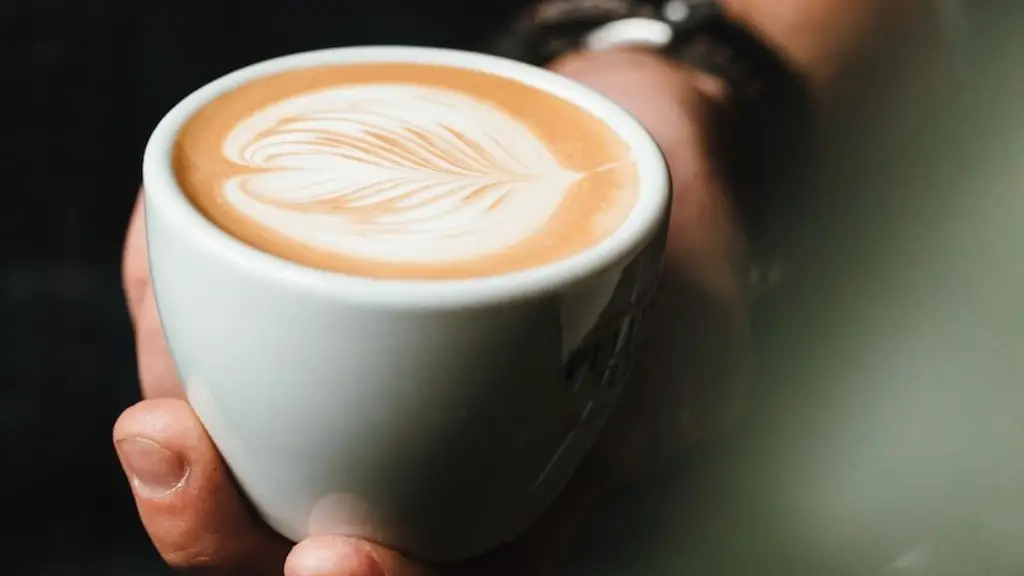
In addition to its lack of caffeine, there have been some purported health benefits of decaffeinated coffee, particularly when it is consumed with regularity. For instance, decaffeinated coffee has been known to reduce the risk of type 2 diabetes and lower rates of depression. Moreover, studies have also suggested that pregnant women who consume decaf coffee may possibly reduce their risk for a stillbirth.
Although there is still ambivalence from some health professionals, decaffeinated coffee is certainly a viable option for pregnant women who are trying to avoid caffeine while still satisfying the craving for coffee. That said, it is always important to check with one’s medical team before consuming anything while pregnant. That said, there are many espresso enthusiasts who love their daily cup of decaf coffee during their pregnancy and that allows them to still get their daily dose of Joe without compromising the safety of their baby.
Caffeine Alternatives
As an alternative caffeine drink, herbal teas are a nice option. These teas can come in a variety of flavors and have no additives associated with them allowing for a safer, healthier alternative to replace one’s typical cup of Joe. Additionally, ingredients such as peppermint, ginger, chamomile and dandelion are a popular choice for pregnant women.
Fruit juices and smoothies are also a great way to replace caffeine during pregnancy. Fruit smoothies offer a nutrient-rich beverage that can often satisfy one’s cravings and hunger pangs. Meanwhile, most fruit juices are a great source of vitamins such as Vitamin C and D, folate and other beneficial minerals like calcium, magnesium and potassium for pregnant women.
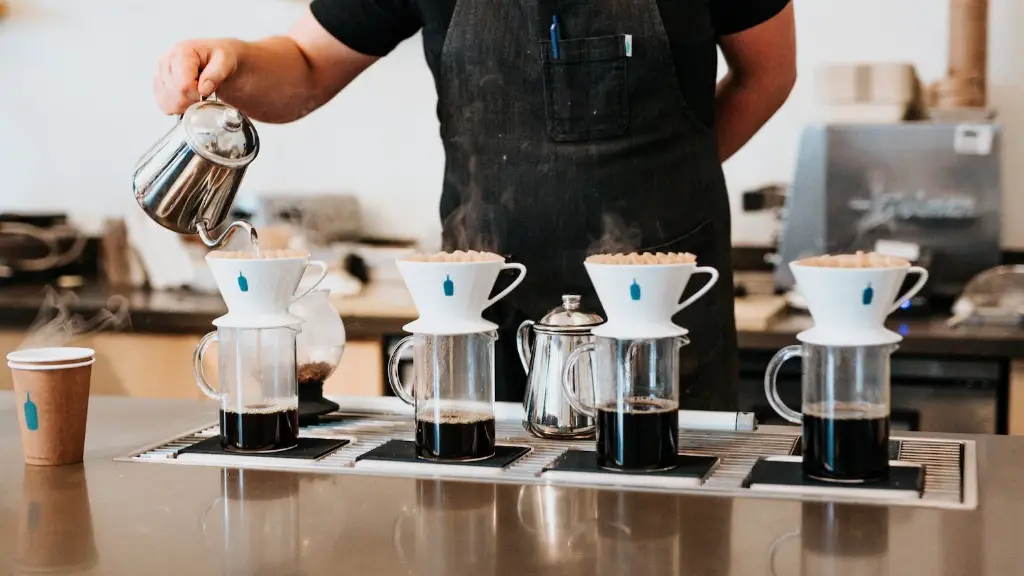
In the final analysis, decaffeinated coffee can be a great and delightful option for pregnant women. Provided one is cautious and adheres to health guidelines, decaf coffee can provide some of the rituals of the daily dose of coffee without necessarily exposing one’s unborn child to the harms of caffeine.
