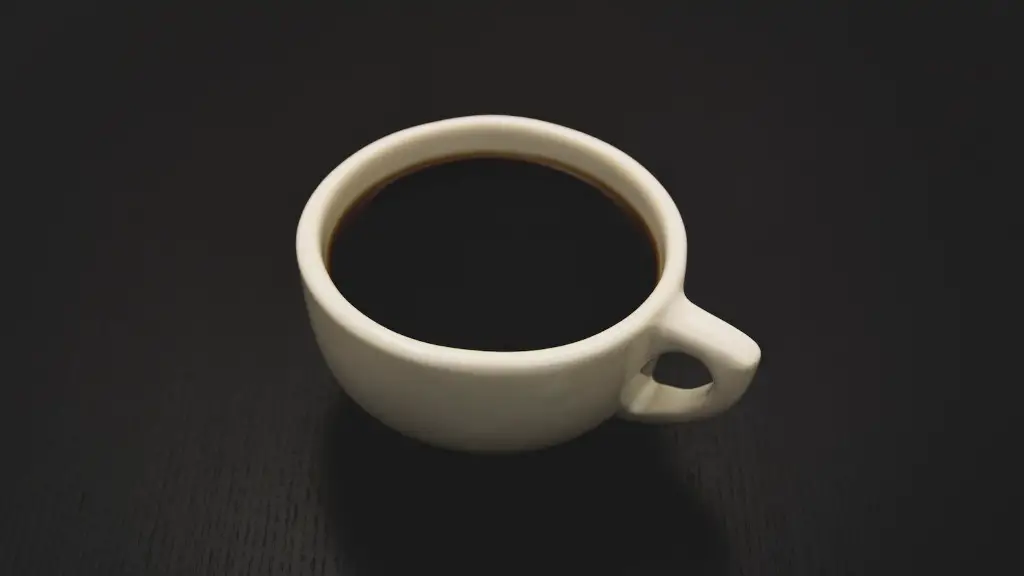
Intermittent fasting has become increasingly popular as a way to lose weight and improve your overall health. But can you drink coffee while intermittent fasting? The answer is yes, but it should be consumed cautiously and with caution.
When you’re intermittent fasting, your body goes into a state of “starvation mode” – meaning that it will break down stored body fat for energy. Caffeine can help to boost your metabolism, meaning you’ll burn calories faster and get the fat-burning benefits of fasting. However, too much caffeine can lead to jitteriness, headaches, and other unpleasant side effects.
You don’t need to eliminate coffee while fasting, but it’s important to keep in mind that coffee isn’t calorie-free. Depending on how you take your coffee, it can add a surprising number of calories to your diet. For example, a single cup of coffee with two tablespoons of cream and two tablespoons of sugar contains nearly 160 calories.
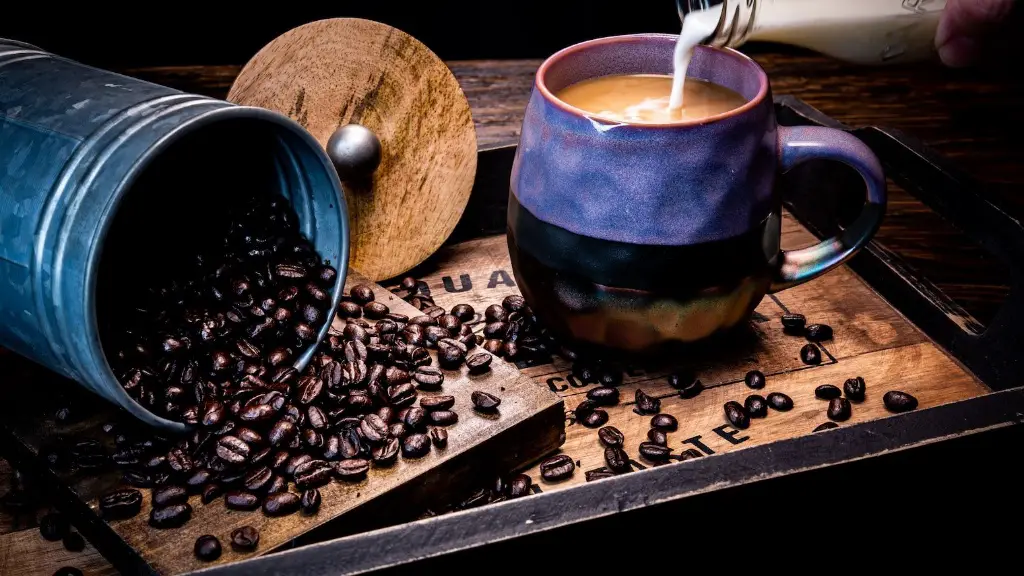
While black coffee is calorie-free, adding milk, cream, and sugar will add calories to your diet and may cause your fasting window to close earlier than planned. On the other hand, if you’re eating a low-carb diet, then coffee can help increase fat burning and provide your body with an energy boost.
Most experts agree that you should limit the amount of caffeine you consume while fasting. A good rule of thumb is to consume no more than 400 milligrams of caffeine per day, or about four cups of black coffee. Additionally, spread out your caffeine consumption throughout the day to avoid uncomfortable side effects.
If you prefer a warm cup of coffee in the morning, consider adding other calorie-free options to your diet, such as bone broth. Also, drinking plenty of water throughout the day can help you feel fuller, hydrated and can even help to suppress your appetite.
Moderate Coffee Consumption and Intermittent Fasting
When it comes to intermittent fasting and coffee consumption, moderation is the key. Keeping your caffeine consumption within the recommended 400 milligrams a day can help you reap the full benefits of fasting while avoiding the possible unpleasant side effects of too much caffeine.

Depending on your lifestyle and diet, adding coffee to your fasting routine can provide you with added energy and help you achieve your health and weight loss goals. But be sure to pay close attention to the amount of caffeine you’re consuming.
Different Types of Fasting
When it comes to intermittent fasting, there are many different approaches that allow you to customize your fasting routine. From the 16:8 method to the OMAD (one meal a day) approach, there’s a fasting style that works best for everyone’s lifestyle and nutritional needs.
Coffee can be an important part of a fasting regimen, however it’s important to understand how much caffeine is right for you. Depending on how often and how long you’re fasting, you may need to adjust your coffee consumption accordingly for best results.
Time-Restricted Feeding
Time-restricted feeding is a type of intermittent fasting that involves eating all your meals within a certain window of time, typically 6 to 8 hours. While this type of fasting may help you burn fat more efficiently, it’s still important to limit the amount of caffeine you consume while fasting.
If you’re consuming coffee during the fasting window, be sure to keep it to a moderate amount. Additionally, avoid adding calorie-rich cream and sugar to your coffee if you’re trying to lose weight.
Conclusion
When you take part in intermittent fasting, you’re already making a huge lifestyle change that’s meant to promote health, wellbeing and weight loss. If you choose to incorporate coffee into your fasting regimen, be sure to keep it moderate and follow the guidelines mentioned above.
In terms of the best type of coffee to consume, opt for organic, fair-trade and single origins options. Pay close attention to the ingredients used as some pre-made coffees can contain added sugars and unnecessary chemicals.
Coffee Alternatives
If you’re looking for a pick-me-up without the caffeine crash, there are many alternatives to coffee that you can explore. Herbal teas such as chamomile and peppermint are naturally caffeine-free and can help provide a boost of energy. Moreover, drinking green tea has been linked to many health benefits, such as improved gut health and a stronger immune system.
In addition to herbal teas, consider adding whole-foods with naturally occurring caffeine to your diet, such as dark chocolate, guarana and even certain nuts. While these foods won’t provide you with the same jolt of energy you’d get from coffee, they can help provide a steady, sustained release of energy that won’t leave you feeling sluggish and fatigued.
Considering Safety When Consuming Caffeine
It’s always important to be mindful of the amount of caffeine you consume, and this is especially true when you’re intermittent fasting. Drinking too much coffee can lead to insomnia, irritability and a weakened immune system. Therefore, be sure to stick to caffeinated drinks in moderation.
If you’re pregnant or have a heart condition, speak to your doctor before adding coffee to your intermittent fasting diet. Additionally, if you notice any unpleasant side effects after drinking coffee, it’s best to ease up or even eliminate caffeinated beverages altogether.
Ingredients to Avoid in Coffee Beverages
Unless you’re making coffee at home, some drinks can contain added sugars and unhealthy ingredients such as artificial sweeteners, hydrogenated oils and artificial creamers. When you’re looking to purchase an iced coffee or another coffee beverage, be sure to check the ingredients list to ensure you’re getting quality coffee with no added junk.
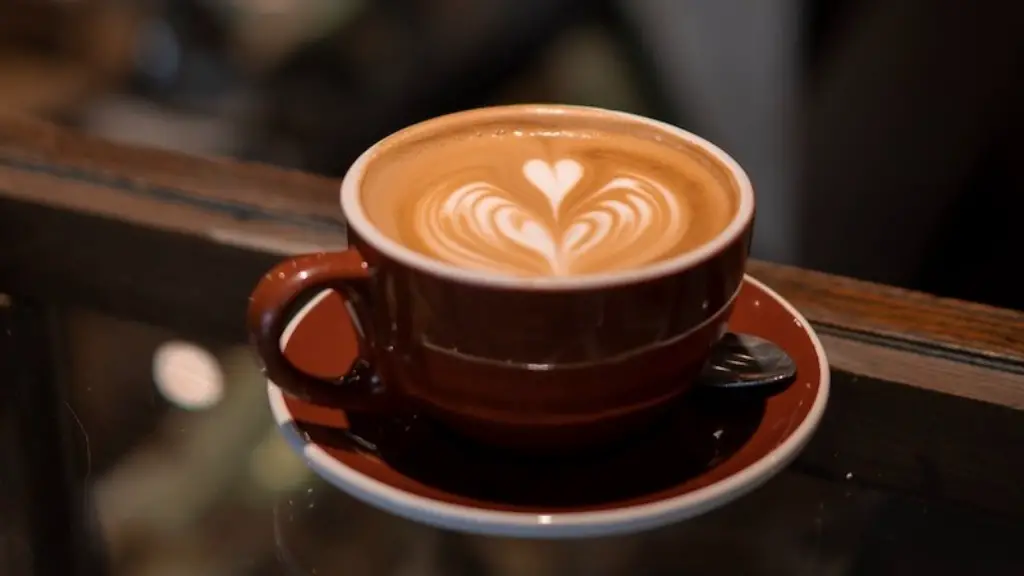
Be sure to also watch out for products that are labeled “low-calorie” or “sugar-free.” While these products may sound appealing, they often contain artificial sweeteners and other additives that can cause health issues over time.
Intermittent Fasting and Coffee: Final Thoughts
Intermittent fasting and coffee can work together harmoniously to promote energy and enhance your health goals. If you’re mindful of the amount of caffeine you consume, and make sure you’re only drinking organic and fresh coffee beverages, then you can rest assured that you’ll reap the benefits of intermittent fasting while still enjoying the occasional cup of joe.
