
The Effects of Caffeine after a Stroke
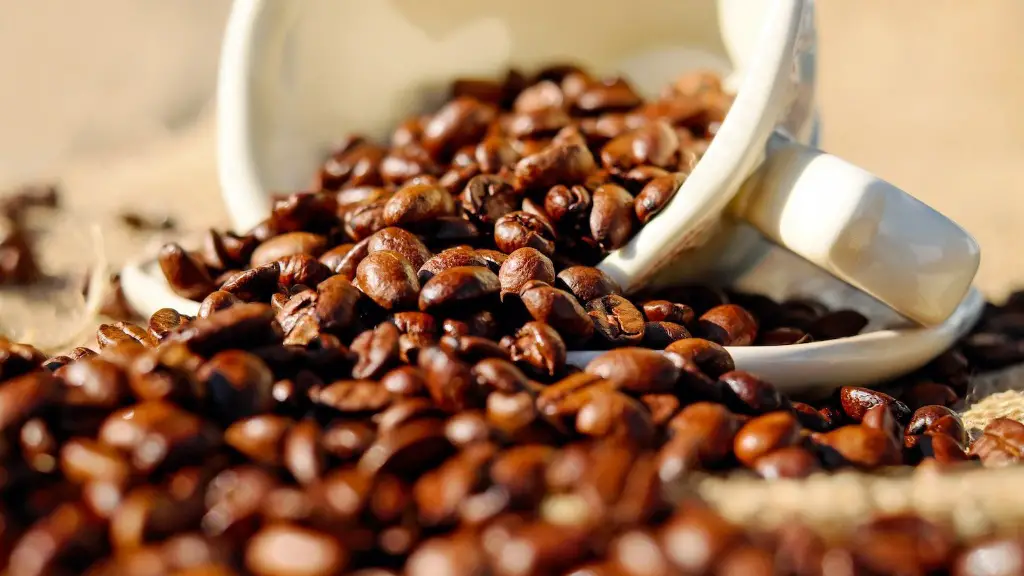
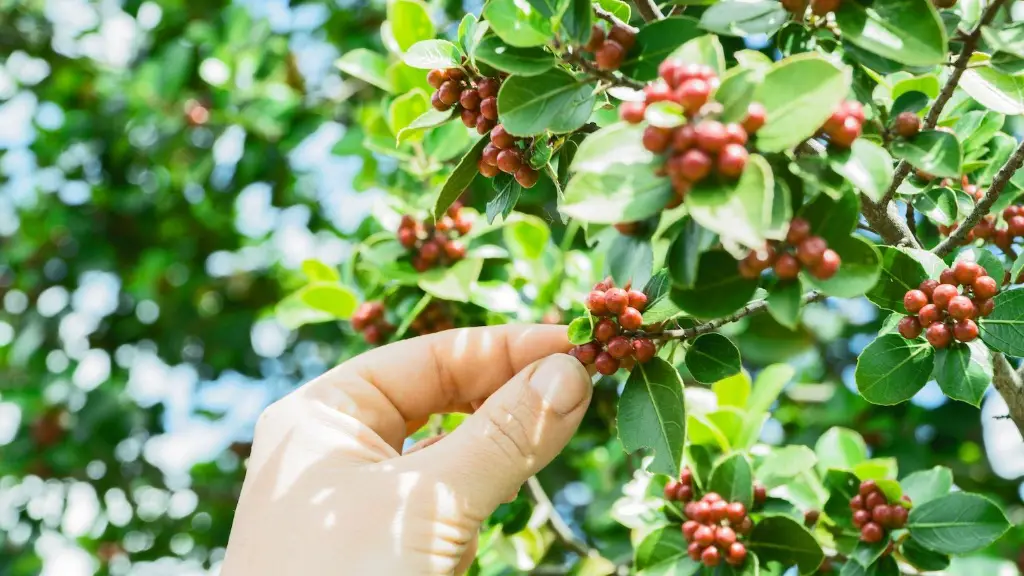
A stroke is a medical emergency, and can have long-lasting effects on an individual’s physical and mental health. As a result, it is important for those affected to take steps to to reduce the risk of a stroke reoccurring. One of the necessary changes to make concerns diet and nutrition, with advice often given to reduce the amount of caffeine consumed. But can you still drink coffee after a stroke?
Studies have shown that people who drank 2 or more cups of coffee per day – even after suffering a stroke – had a lower risk of stroke. The authors of the study concluded that, in some cases, coffee may have a protective effect against stroke.
Although this is encouraging, it is important to consider what happens to caffeine once it enters the body. Caffeine is a stimulant, and can increase heart rate, blood pressure, and tension in the body. High levels of these physiological aspects can increase the chances for a stroke to occur. Therefore, drinking coffee may not be the best choice for those who have already had a stroke.

However, it is important not to be too extreme. Coffee can provide the body with some beneficial compounds, including antioxidants that can help reduce inflammation. The stance given by healthcare professionals is that it is best to keep caffeine consumption low, and to avoid large doses (more than 2-3 cups per day).
Instead of drinking large amounts of coffee, it is recommended to find alternative sources of caffeine. Tea, as well as some over-the-counter medications, can be ingested without the risk of increased heart rate and blood pressure. Additionally, many foods now contain low amounts of caffeine for a mild effect.
In the end, it is important to keep caffeine consumption at a reasonable level. Stress, physical activity, sleep, and diet should all be taken into account when making lifestyle changes to reduce stroke risk. It is also best to consult a healthcare professional for advice on individual needs.
Making Changes to Diet After a Stroke
It is important for those affected by a stroke to be conscious of their dietary habits, as what is consumed can have a profound effect on stroke risk. For example, studies have found that those who eat foods high in saturated fats are more likely to suffer from a stroke than those on a healthy diet. Therefore, it is crucial to reduce the amount of fats, salts, and sugars consumed, and to focus on a healthy intake of fruits and vegetables.

In addition, some research has suggested that a Mediterranean-style diet – which is high in fish, vegetables, and olive oil – can reduce the risk of stroke. This is not surprising as this type of diet has also been associated with a lower risk of heart disease and other health issues. Therefore, to be proactive in decreasing stroke risk, it is important to adjust the diet to a healthier pattern.
It is also important to be aware of other dietary habits, such as eating too quickly or frequently, or skipping meals. Eating quickly can cause digestion issues, and lead to increased levels of food intake, which can in turn lead to weight gain. Skipping meals can also cause weight gain, as well as hunger, low energy, and even moodiness.
Finally, it is also important to diversify diet by consuming different kinds of food. A varied diet helps to ensure that the body is receiving all of the essential nutrients, and can provide more energy throughout the day. It is also important to increase intake of lean proteins, complex carbohydrates, and healthy fats.
Exercise Guidelines After a Stroke
Physical activity is very important for those recovering from a stroke, as movement will help to strengthen the weakened muscles and keep the body healthy. It is best to consult a healthcare professional before beginning a new exercise regime, as they can provide advice and recommendations on which exercises are suitable. Generally, they will include low-impact activities such as walking and cycling, as these will provide a gentle start to getting back into an active lifestyle.
Resistance training may also be recommended, as it can help to improve strength and balance, as well as promote better overall health. Additionally, yoga can be a beneficial exercise for those recovering from a stroke, as the poses can help to improve flexibility and circulation.
Aside from structured exercises, it is also important to find ways to incorporate more physical activity into everyday life. This can include walking to the store or taking the stairs instead of the elevator. Simple tasks such as cooking and gardening can also help to increase physical activity levels.
It is important to remember that physical activity should be done in moderation. Too much activity can increase the risk of overuse injuries, such as sprains and strains. Therefore, it is best to start with small amounts of activity and to slowly work up to higher levels.
The Role of Stress Management After a Stroke
Stress is an important factor to consider after a stroke, as it can heighten the risk of a stroke occurring again. Therefore, it is important to take steps to manage stress levels. Meditation can be very beneficial in this regard, as it can reduce the perceived stress levels. Additionally, regular exercise, good sleep hygiene, and healthy eating habits can also help to reduce stress.

It is also important to find healthy coping mechanisms for stress. This could include talking to a healthcare professional, or joining a support group. Additionally, spending time in nature can also reduce stress levels, as it helps to disconnect from the external stimuli that can contribute to stress.
It is also important to find more enjoyable outlets for stress. Doing activities such as reading, listening to music, and watching movies can be helpful for reducing stress. Additionally, spending time with family and friends has been associated with lower levels of stress.
Finally, it is important to remember that stress is a normal and natural emotion. Accepting stress and learning to manage it is key to avoiding a stroke. It is ok to feel overwhelmed and it is important to practice self-care in order to effectively manage the stress that comes with a stroke.
The Benefits of Social Engagement After a Stroke
Social engagement is an important part of recovery after a stroke. Being around others can help with the healing process, as it can provide an opportunity to heal emotionally. Additionally, social engagement can also provide an opportunity to share experiences and learn from one another.
Socializing can also provide a way to stay active. Activities such as going for walks, playing games, and performing simple physical activities can help to keep the mind and body fit. By doing these activities with others, it can provide an excellent way to maintain physical activity levels in a supported environment.
Moreover, engaging in social activities can help to reduce the feeling of isolation that can come with a stroke. Working with others on tasks, such as gardening or cleaning, can help to build relationships and foster a sense of community. Additionally, it can give individuals the opportunity to find shared interests and feel less alone.
Finally, social activities can provide a sense of purpose. This can be especially important for those who may be struggling with their new reality and feeling a bit lost. By engaging in tasks that bring joy, it can help to give individuals a purpose, which can in turn help them to cope with any difficulties they may be facing.
