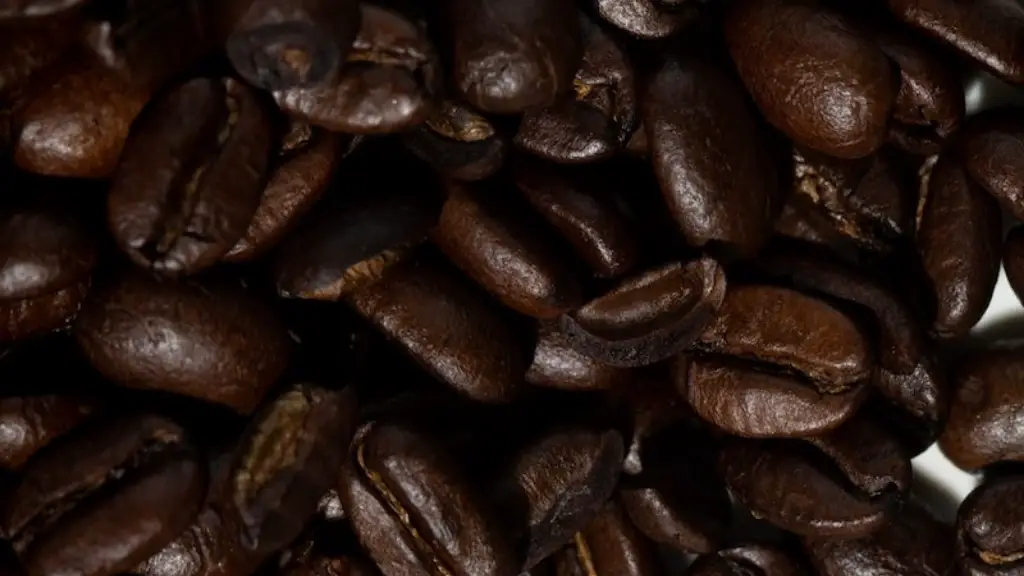
Coffee is one of the most popular caffeinated beverages in the world, and while it has many benefits, it can also cause problems for some people. One of the most common issues caused by coffee is GERD, also known as Gastroesophageal Reflux Disease. This disorder is caused by stomach acid irritating the lining of the esophagus, resulting in heartburn and other uncomfortable symptoms. So can you still enjoy a cup of coffee if you suffer from GERD?
When it comes to GERD, it is important to develop a personalized diet plan that takes into account your individual lifestyle and symptoms. Coffee can aggravate symptoms of GERD, particularly in those who suffer from more severe cases. Therefore, it is important to consult a gastroenterologist to assess your particular condition and associated risks before consuming coffee.
Caffeinated coffee is known to relax the LES or lower esophageal sphincter, which is the muscle that separates the stomach from the esophagus. This can lead to stomach acid backwashing into the esophagus, thus increasing the likelihood of GERD symptoms. To reduce the risk, it is best to drink coffee later in the day, as the body has had time to naturally create a new balance of acids in the stomach.

Switching to decaffeinated coffee can help to reduce the risk of GERD symptoms, as this type of coffee does not contain caffeine, which can relax the LES. However, decaffeinated coffee can still cause digestive distress, as it still contains certain acids that can irritate the stomach. Therefore, it is important to monitor your reaction to decaffeinated coffee, as it could still be causing problems.
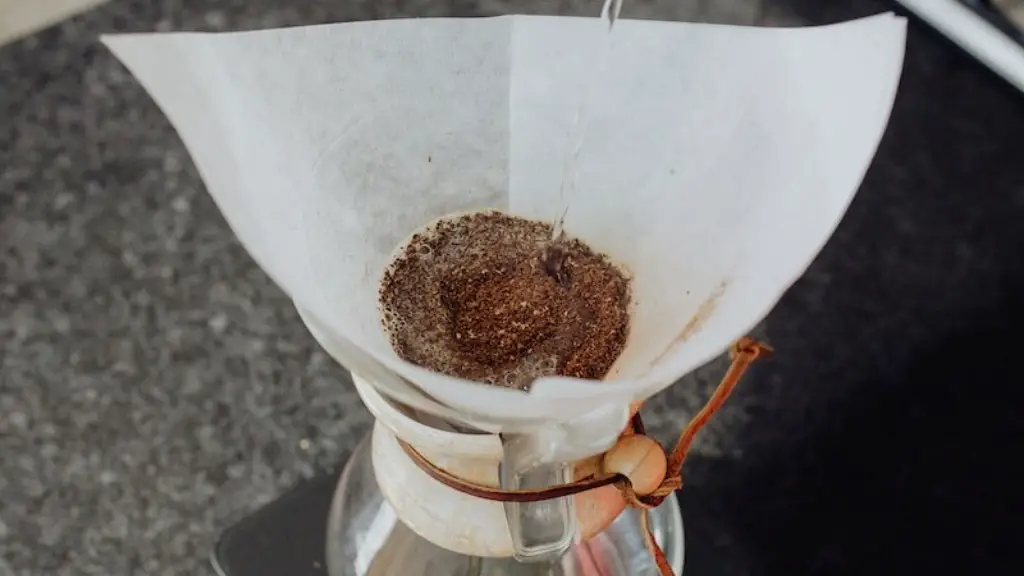
Another option is drinking cold-brewed coffee, which is made by soaking coffee beans in cold or room temperature water for an extended period of time. The result is a smoother and less acidic beverage that is much easier on the digestive system. Cold-brewing also allows the flavor of the coffee to develop more, which can be beneficial to those with a sensitive palate.
Even though drinking coffee can be risky for those with GERD, there are ways to enjoy the beverage with minimal risk. Keeping an eye on one’s diet, switching to decaffeinated or cold-brewed coffee, and limiting consumption to one or two cups per day can all help to lessen the symptoms associated with GERD.
Treating GERD
Gastroesophageal Reflux Disease can affect different people in different ways, so it is important to identify the causes of one’s symptoms and work on treating them through diet and lifestyle changes. Avoiding foods known to irritate the stomach, such as spicy, fatty, and acidic foods, can help to reduce GERD-related symptoms. Reducing stress levels and quitting smoking are also beneficial steps that can be taken to reduce GERD.
In addition to dietary and lifestyle changes, medications can also help to relieve GERD-related symptoms. Over-the-counter antacids can provide temporary relief, but if the pain persists, it is important to consult a doctor and discuss the possibility of using prescription medications.
Some supplements can also be beneficial for those with GERD. Aloe vera juice, for instance, has anti-inflammatory properties that can help to reduce swelling and pain in the stomach. In addition, digestive enzymes can boost stomach acid, aiding in digestion and helping to reduce painful symptoms.
Managing Stress
Stress is one of the main causes of GERD, so it is important to develop a plan to manage one’s stress levels in order to reduce the symptoms associated with the disorder. One way to do this is to practice deep breathing exercises, which can help to relax the body and reduce the tension that can cause GERD symptoms.
Exercising is also a great way to manage stress and reduce GERD symptoms. Cardio workouts such as running and biking can help to increase blood flow and reduce inflammation in the body, thus providing relief from GERD pain. Strength training can also be beneficial, as it can strengthen the core muscles and aid in digestion.
Talking to a therapist or joining a support group can also help to reduce stress levels and alleviate GERD symptoms. This can provide a safe space to express one’s feelings and receive support from others who are also dealing with GERD. It can also help to make lifestyle changes such as eating a healthier diet and getting adequate rest.
Trying Alternative Treatments
Those with GERD may also want to explore alternative treatments such as acupuncture and yoga. Acupuncture is an ancient form of Chinese medicine that involves the insertion of needles into specific points in the body to reduce pain and inflammation. Practicing yoga is also beneficial, as certain postures can help to alleviate GERD-related pain.
In addition, herbal supplements can be beneficial in reducing GERD symptoms. Licorice root, chamomile, peppermint, and ginger are some of the herbs that can help to reduce the inflammation and acidity associated with the disease. However, it is important to speak to a medical professional before taking any herbal supplements, as some can interfere with certain medications.
Finally, it can be helpful to keep a food journal and monitor how different foods and drinks affect GERD symptoms. Taking notes on what one eats and the symptoms that arise can help to identify patterns and create a better diet plan tailored to one’s lifestyle and GERD symptoms.
Lifestyle Changes
Making lifestyle changes can help to lessen GERD symptoms, particularly in those who are overweight or have certain medical conditions. Eating smaller meals more often, eating slowly, and avoiding certain foods can help to reduce GERD pain. It is also important to avoid lying down immediately after meals, as this can trigger reflux.
It is also beneficial to lose weight if one is overweight, as excess weight can place strain on the stomach and cause GERD pain. An exercise plan and healthy diet can help to achieve a healthy weight, thus helping to reduce GERD symptoms. In addition, quitting smoking can be beneficial, as smoking relaxes the LES and increases the risk of GERD symptoms.
Keeping the head elevated is another way to reduce the symptoms of GERD. Sleeping on a wedge pillow or raising the head of the bed by 6 to 8 inches can help to reduce stomach acid from regurgitating into the esophagus. Wearing loose-fitting clothing can also help, as tight clothing can put pressure on the abdomen and aggravate GERD.
Conclusion
Whether one suffers from mild or severe GERD, it is important to be aware of how coffee and other beverages can affect one’s condition. Keeping an eye on one’s diet, taking medications when necessary, and making lifestyle changes can help to reduce GERD symptoms and make life more comfortable. Overall, it is important to consult a doctor in order to create an individualized plan that takes into account one’s unique lifestyle and health conditions.
