Overview
Can you drink coffee while fasting for labs? The answer might be yes and no, as it depends on a few factors. It’s important to understand what fasting is and how it relates to lab tests if you want to answer this question correctly. Fasting for tests is meant to ensure that the tests are accurate and reliable, as food and liquids can interfere with the tests’ results. There are situations when drinking coffee can interfere with the test results, but not always.
Implications of Fasting for Labs
Fasting for lab tests means not eating or drinking anything other than water for several hours before having a blood test or other lab tests. It is typically recommended to fast for 8 to 12 hours before a lab test. The reason for facilitating this kind of dietary restriction is to eliminate any external factors that might have an influence on the accuracy of results. The body needs to be in its usual state when the test is taken, rather than under the effect of food or drink that might alter the chemistry of the blood.
In general, most lab tests require fasting before the test, although there are certain tests which don’t require fasting, such as a basic metabolic panel or some lipid panels. Those tests, however, are designed to measure hormones and lipids that aren’t affected by having eaten recently.
Does Coffee Interfere with Lab Test Results?
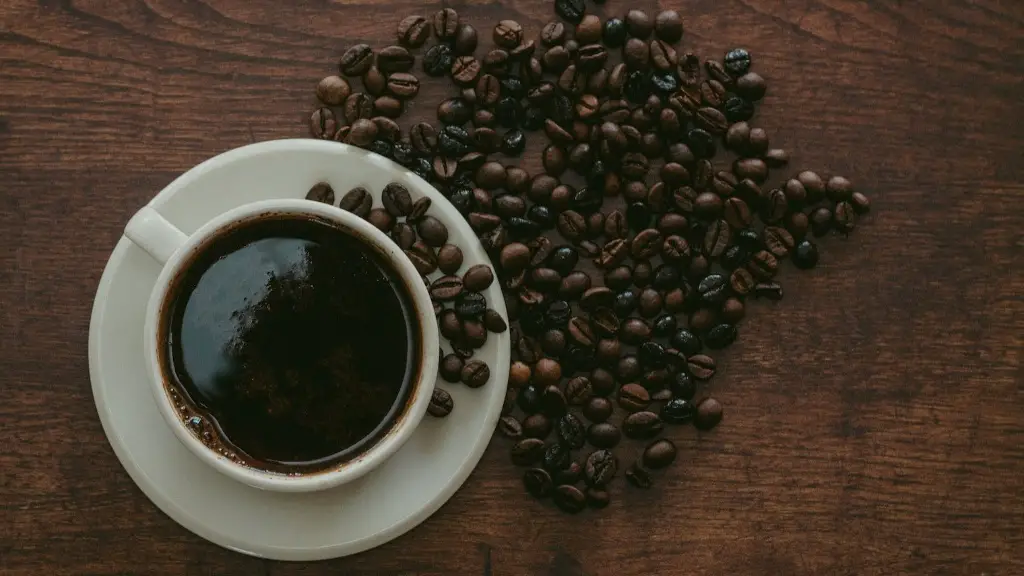
A common question is whether coffee or caffeine would interfere with lab test results or not. Coffee or caffeine does affect certain test results, such as cholesterol levels. Having a cup of coffee before a lab test may raise the levels of cholesterol by up to 10%. Other tests that might be affected include sugar levels in the blood, hemoglobin, liver enzymes, and other metabolic tests.
Coffee or caffeine can also lead to a state of dehydration which can interfere with the accuracy of lab tests. When the body is dehydrated, it cannot accurately reflect the actual levels of substances in the blood. That is why it is important to drink plenty of water and other non-caffeinated fluids when you are fasting for lab tests.
Ultimately, it is best to speak to your doctor or a medical professional before deciding whether to have coffee or other caffeinated drinks when fasting for a lab test. In some cases, only decaffeinated coffee is allowed, as it does not contain caffeine or other substances that may interfere with lab test results.
Health Benefits of Coffee
In addition to having the potential to interfere with lab tests, coffee has many health benefits. Coffee is a source of antioxidants and other nutrients that can help reduce the risk of certain diseases like cancer and diabetes. It also helps to improve cognitive function, increase energy levels, and boost metabolism.
Coffee can also provide a sense of relaxation and comfort. This can be especially beneficial if you experience anxiety while having lab tests done. Try having a cup of coffee before your test as it can help to calm your nerves.
Caffeine Content of Different Beverages
Not all coffee is the same when it comes to caffeine content. It is important to know the caffeine content of the coffee you consume, as well as other caffeinated beverages, if you want to get an accurate lab test reading.
The caffeine content of coffee can vary depending on the type and how it is brewed. Generally, one 8-ounce cup of brewed coffee contains 100 to 150 milligrams of caffeine. Other types of caffeinated drinks, such as energy drinks and soda, can contain even higher levels of caffeine. It is best to avoid these drinks when fasting for a lab test, as the caffeine may interfere with the accuracy of the results.
Fasting Tips
When fasting for lab tests, it is important to follow the recommended guidelines. Don’t eat or drink anything except water for 8 to 12 hours before the scheduled test time. Avoid any type of food or drinks that might contain caffeine, such as coffee, tea, soda, and energy drinks.

It is also recommended to drink plenty of water to keep your body hydrated. There is no harm in having water while fasting, as it does not affect the accuracy of lab test results. In some cases, you may be allowed to have a clear broth or juice but always check with your doctor first.
Risks of Ignoring Fasting Instructions
It is important to follow the instructions of fasting for lab tests, as not doing so can affect the accuracy of the results. If the instructions are not followed and the results are not accurate, there are serious health risks. The doctor may not be able to accurately diagnose a condition or recommend the correct course of treatment.
It is best to speak to your doctor or a healthcare professional if you have any questions or concerns about fasting for lab tests. They can provide personalized advice on how to ensure that the results of a lab test are accurate.
Alternatives to Fasting
In some cases, fasting for lab tests may not be necessary. Some tests, such as a basic metabolic panel or some lipid panels, do not require fasting. If fasting is not required for your lab test, you can still follow a healthy diet and avoid foods and beverages that contain caffeine.
Your doctor or healthcare professional can help determine whether fasting is necessary for your particular lab test. They can also provide advice on what foods and drinks to avoid when fasting for a lab test, such as coffee and other caffeinated beverages.
Role of Lab Tests
Lab tests are an important part of maintaining good health, as they can detect both physical and mental illness. By having regular lab tests done, it is possible to identify health problems and diseases early, before they become serious. Lab tests can also be used to monitor treatment and make sure that the best course of action is being taken for a specific health issue.
When it comes to undergoing a lab test, it is important to follow the recommended guidelines and instructions of fasting, if applicable. Some lab tests require fasting, while others do not. Be sure to speak to your doctor or healthcare professional before having a lab test to know what the recommendations are for fasting, as well as what foods and drinks to avoid.
Monitoring Diet and Lifestyle
By monitoring your diet and lifestyle, it is possible to get a better understanding of how certain foods, drinks, and activities affect your body. Keeping a food journal and tracking what you eat and drink can help you to identify any foods or drinks that may interfere with specific lab tests. This can help you to avoid those foods in the future while fasting for lab tests.
Getting regular exercise is also important for maintaining overall health. Exercising regularly can help to reduce the risk of certain diseases, while also improving energy levels and promoting better sleep. Exercise can also lead to better mental health, as it can help to keep your stress levels in check.
Effects of Caffeine on Lab Tests
As mentioned before, caffeine can affect certain lab test results, such as cholesterol levels and sugar levels in the blood. When you are fasting for a lab test, you should avoid any beverages or foods that contain caffeine, such as coffee, tea, soda, and energy drinks. If you drink coffee regularly, you can consider drinking decaffeinated coffee during the fasting period.
It is also important to drink plenty of water when fasting for a lab test, as the body needs to be properly hydrated for the lab test results to be accurate. This can help to reduce the risk of dehydration and other complications that can interfere with the accuracy of the lab test.
Conclusion
Can you drink coffee while fasting for lab tests? The answer may depend on the particular lab test you are having and other factors. While coffee has many health benefits, it can also interfere with certain lab test results. It is best to consult with a doctor or healthcare professional to determine whether you can drink coffee while fasting for lab tests and what other dietary restrictions you should follow.
