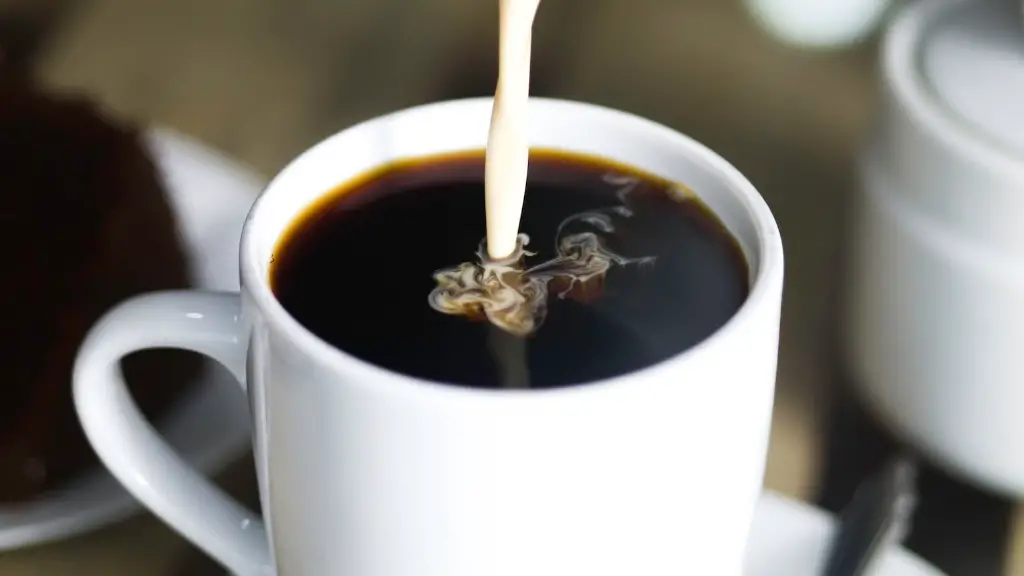
Can you drink out of date coffee?
Is drinking out of date coffee safe? Many people come across old coffee in their cupboards at some point, but worry about drinking it once it’s past the expiry date.
Coffee stored in an airtight container can have an extended shelf life of up to two years. Factors that can impact the quality and complexity of coffee include storage conditions and time, as coffee will continue to slowly degrade even if sealed. Stored in a cool, dry place, coffee beans can last for as long as two years without losing flavor, but once ground, it will deteriorate quickly.
Speaking to Popular Science, chemist Majid S. Faghihi mentioned, ‘Oxygen, moisture, and light are the important factors when considering the shelf life of roasted coffee. As soon as you grind the beans and open the container, that’s when oxygen has direct contact with the coffee, and then the oxidation process begins’.
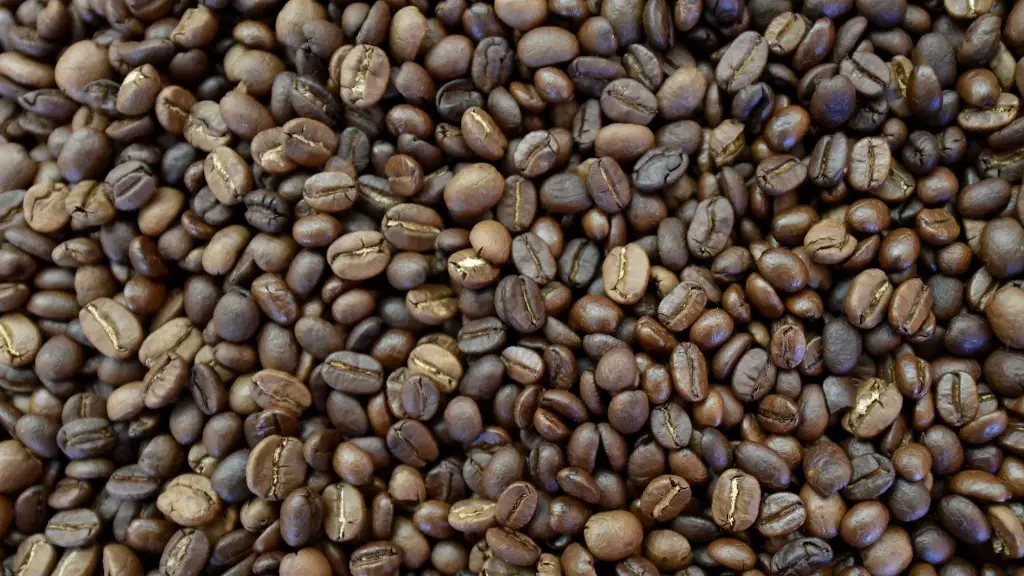
Drinkers of out of date coffee may not notice any significant difference in taste compared to fresh. However, some flavors may be lacking in out of date coffee and the flavor profile may be diminished. Some may experience a bitter or stale flavor, which can vary depending on how the beans were stored.
Coffee even further past its expiration date may begin to have a sour taste – a sign that it has gone bad. It’s also possible for the drink to contain mold, which can be dangerous for health. Therefore, if you suspect the coffee has gone bad, it’s best to steer clear.
Research conducted by Harvard Medical School backs up this advice, with the conclusion that ‘drinking old coffee, past its expiration date, is not recommended’. The research focused on the link between coffee consumption and neurological diseases, with the ability to caffeine to stimulate the brain at the forefront of scientific research.
Overall, it’s best to consume coffee within a few weeks of purchase. If unsure whether the coffee is still suitable to drink, make sure to take a sniff and check for any surface mold or other signs that the coffee is no longer safe to consume. If in doubt, throw it away and invest in a fresh batch.
The brewing method
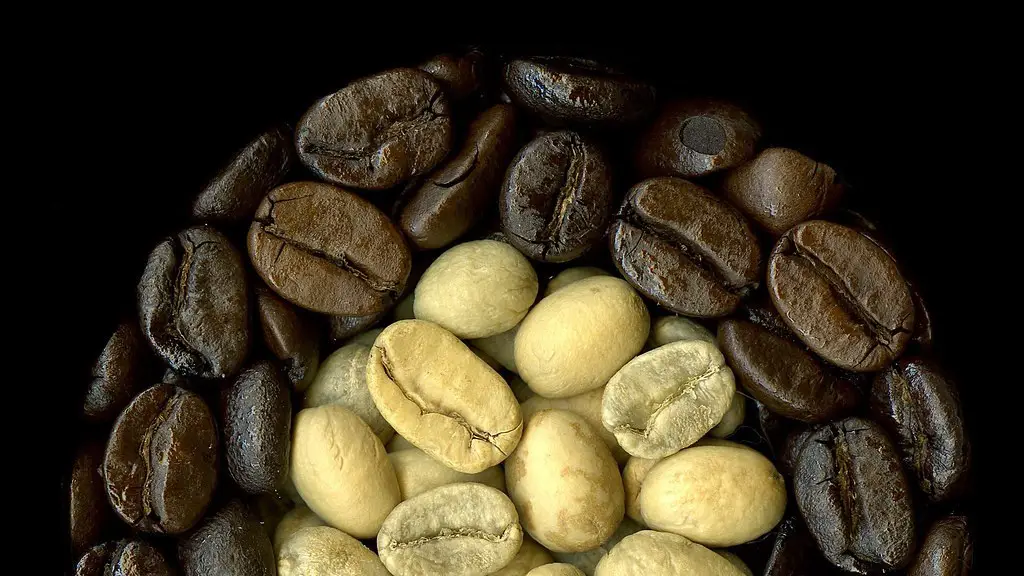
When it comes to getting the best out of your coffee, the brewing method you use can make a real difference. Out of date coffee may present a greater challenge to create a delicious cup. Different brewing methods have different characteristics, although none can work miracles with out of date beans. The best recommendation is to use a cold-brew method for out of date coffee, as the longer extraction process can help to bring out bold flavors.
Other brewing methods like French press and filter can still be used with out of date beans, but the process will take longer due to the ground coffee being degraded. If using an espresso machine, you’re likely to get a weaker cup of coffee than usual.
Different brewing methods also alter the caffeine content of coffee, even if you’re using a filter. Longer extraction processes increase the amount of caffeine in a cup of coffee, meaning cold brew will contain more caffeine than a quick filter.
Ground coffee isn’t the only type of coffee that can become out of date, with instant coffee and espresso shots also having an expiry window. Knowledgeable coffee drinkers should look out for information on how to store it properly, as this will help extend the shelf life.
The effects of caffeine
Caffeine is a stimulant that speeds up the messages traveling between the brain and the body. This is why coffee drinkers often feel more alert, although coffee consumed past its expiration date may not provide the same energy-boosting benefits.
The level of caffeine, as well as other health benefits, starts to and diminish from the moment coffee is roasted. This means that you’re more likely to get more out of a freshly roasted cup of coffee, with the brewing method also playing a role.
The type of coffee matters too. Since dark-roast coffee is roasted at a higher temperature, caffeine content will naturally be lower. Switching to a light or medium roast may help to bring caffeine levels back up, providing an extra kick.
Caffeine also has an effect on hunger and body metabolism. According to science, regular coffee consumption leads to greater success in weight loss, with those who don’t drink coffee 22% less likely to reach their goal. The antioxidants in coffee may also help to aid and protect the digestive system.
The environmental effects of coffee
The environmental impact of our coffee-drinking habits matter, too. Coffee is one of the world’s most popular beverages, but growing it and getting it to us means far-reaching effects.
A number of chemicals, pollutants and pollutants released in the production process include pesticides, fertilizers, and other harmful elements. Overseas production often leads to local water pollution, and with most coffee produced on small farms, the chemicals are sometimes used at levels higher than advised, creating future health risks.
Packaging is something that drinkers of out of date coffee can help to reduce. Unlike fresh coffee, packaging is often unnecessary for out of date coffee, as long as it’s stored in an airtight container to keep out oxygen and moisture. Where possible, coffee being brewed from out of date beans should be consumed without wasteful packaging.
The coffee industry is making progress in sustainability, with ethical production and compostible packaging becoming more commonplace. Consumers can choose to buy their coffee from certified sources, and companies can be transparent about the sustainability of their coffee production.
Can you save money with out of date coffee?
The fact that coffee is often sold past its expiration date means that it can be cheaper to purchase. Yet some debate whether you can truly save money by buying out of date coffee. Coffee is a product like any other and it won’t stay in perfect condition forever.
Some stores will discount their cups of coffee near the end of its best-before date, despite the product still being safe. In these cases, the out of date coffee is still fairly fresh, so any sacrifice in flavor would be minimal. The combination of the lower price and the quality may mean you can still get a good drink.
For maximum savings, buyers should check the expiration date carefully. Waiting for discounts is also a good way to save money on out of date coffee. It’s also worth keeping an eye out for coupons or special offers, which can also help to bring down the cost.
What about instant coffee?
Instant coffee is often forgotten about, but it’s a form of coffee that’s become more and more popular. Although it will last for years when kept sealed, once opened, it’s best consumed within six months.
Instant coffee is also known for its convenience, with easy preparation and strong taste. It’s often sold as individual sachets or integrated into products like coffee whiteners and protein shakes. Yet it’s worth being aware that instant coffee is generally regarded as having an inferior taste.
Instant coffee, like other coffee products, can be stored in an airtight container to extend its shelf life. However, like other forms of coffee, it’s best to consume it within a few weeks of purchase.
The bottom line
Drinking out of date coffee is not recommended. Coffee beans, in particular, should be stored in an airtight container, away from light and oxygen. Even so, flavor and aroma will eventually start to diminish. To get the best from your coffee, buy it in small quantities and check for a best-before date.
Other types of coffee including instant coffee and espresso shots also have an expiration window. In all cases, it’s best to consume within a few weeks of purchase to guarantee a delicious cup of coffee. If you find your coffee has expired, it’s best to dispose of it and opt for fresh.
