
When anxiety and coffee seem to go together in a seemingly inseparable way, it can be difficult to know whether or not it is safe to drink coffee when you have anxiety.
Caffeine, which is found in coffee, has the ability to both increase anxiety levels in those who already have anxiety and cause anxiety in those who do not normally experience it. Studies have found that ingesting large amounts of caffeine can make an individual more prone to feeling overwhelmed, having an elevated heart rate, and experiencing difficulties in concentration. For people with high levels of anxiety, irritability, sleep problems, and panic attacks are also common. Since caffeine can also make these symptoms worse, it’s understandable why people with anxiety should exercise caution when it comes to coffee.
Experts advise that people with anxiety should either avoid caffeine altogether or limit their intake of it. If someone with anxiety does choose to drink coffee, some experts suggest beginning with small amounts and progressing from there. For those who want to avoid caffeine completely, there are always other options for obtaining the same boost of energy—such as herbal tea, decaffeinated coffee, or yeast-based extract drinks.
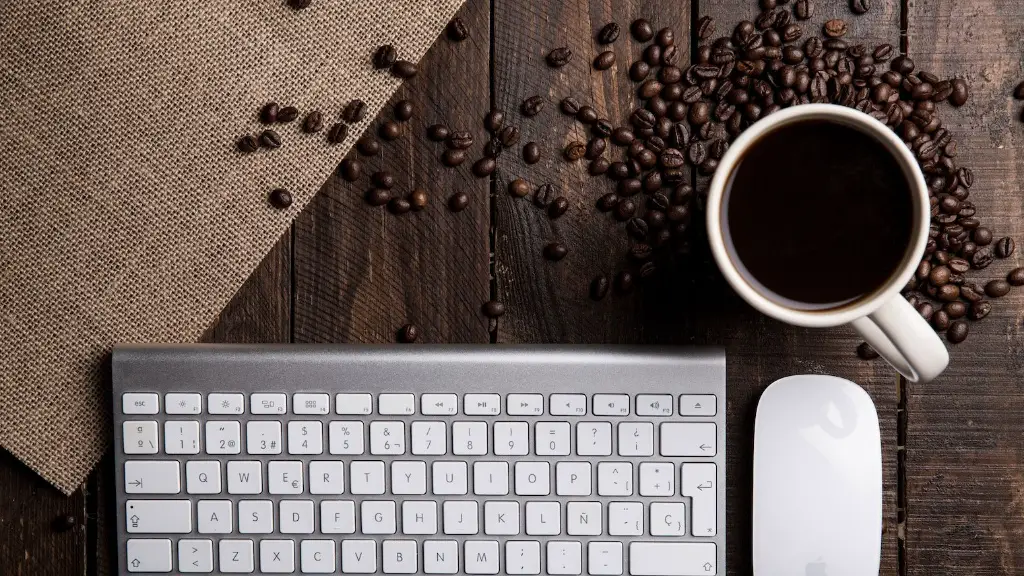
When considering whether or not to drink coffee when one has anxiety, it is important to understand the potential impact that it can have on the body. Caffeine is a stimulant, meaning that it has the potential to increase heart rate, resulting in an increased sense of anxiety. Additionally, some studies have suggested that caffeine can block the absorption of certain nutrients that are known to be beneficial for reducing anxiety, such as vitamin B6 and magnesium. While more research needs to be conducted in this area, it is clear that drinking too much coffee when one has anxiety can be detrimental to both physical and mental wellbeing.
Some studies have shown that drinking coffee can actually have a positive effect on anxiety if it is consumed in moderation. Moderate amounts of caffeine can improve alertness, focus, and mental performance, which can all be beneficial for people with anxiety. If someone with anxiety decides to drink coffee, it is important to know their limits and to stop drinking before they start to feel overwhelmed. Consuming too much caffeine has been linked to increased anxiety, so it is important to stay mindful of the amount being consumed.
The bottom line is that everyone’s circumstances are different and it is important for people with anxiety to listen to their bodies and determine for themselves if coffee is something that can be consumed safely. While there is some evidence to suggest that moderate amounts can help to improve mental performance, it is always important to keep in mind that drinking too much coffee with anxiety can result in increased anxiety, restlessness, and irritability.
Impact of Caffeine on Anxiety
When it comes to caffeine and anxiety, research has found that the effects of caffeine on anxiety are potentially dose-dependent. This means that lower doses may produce a calming effect in some people while higher doses may produce an opposite effect.
In studies, researchers found that consuming a moderate amount of caffeine—or the equivalent of two to three cups of coffee—caused no increase in feelings of anxiousness. However, when participants consumed the equivalent of five or more cups of coffee, they experienced a heightened sense of anxiousness, as well as feelings of restlessness and irritability.
So it appears that the effects of caffeine on anxiety are dose-dependent, which suggests that while moderate amounts may provide a calming effect, consuming large amounts can result in increased anxiety.
Effects on Sleep
In addition to the effects on anxiety, caffeine can also disrupt sleep. Research has shown that caffeine intake can cause an individual to have more difficulty falling asleep and staying asleep, as well as more frequent nighttime awakenings. Research has also found that caffeine consumption late in the day (after 2pm) can result in significantly reduced total sleep time.
These sleep disturbances can further exacerbate anxiety, as getting a good night’s sleep is essential for mental wellbeing. For those already struggling with anxiety, ensuring adequate sleep can be especially important.

When it comes to caffeine and sleep, it is important to keep in mind that it may be necessary to limit caffeine consumption in order to get the best quality of sleep. In order to do this, experts suggest avoiding caffeine consumption after 2pm, ensuring that adequate time is allowed to elapse between caffeine consumption and sleep time.
Alternatives to Caffeine
For those dealing with anxiety and looking to avoid caffeine, there are a variety of alternatives available. Decaffeinated coffee is an easy substitute for regular coffee and can offer the same energizing effects without any of the caffeine. Caffeine-free herbal teas are another option and are widely available, with many flavors to choose from.
Yeast-based extract drinks are also a good option. These drinks are typically caffeine-free, but they also contain B vitamins which can help to support mental energy and alertness. Some are even formulated with additional ingredients such as L-theanine, an amino acid known for its calming effects on the body.
Finally, some people find that exercise is a great way to increase energy and focus. Exercise can be a powerful tool for managing anxiety and has been shown to reduce stress levels, improve mood, and promote better sleep.
Knowledge is Key

The effects of caffeine on anxiety can vary from person to person and as such, it is important to arm oneself with knowledge and information so that they can make well-informed decisions. While some people find that ingestion of low to moderate amounts of caffeine result in improved alertness and mental performance, it is important to bear in mind that consuming too much can be detrimental to mental wellbeing.
It is important to pay attention to how one’s body reacts to caffeine, practice moderation when consuming it, and be aware of the available alternatives.
Impact on Overall Wellbeing
In general, the effects of caffeine on overall wellbeing are highly individualized. While some might find that they experience positive effects, such as improved mental performance and alertness, others might find that it only serves to exacerbate feelings of anxiety. Additionally, the effects of caffeine on wound healing are still uncertain; more research is needed in this area.
Ultimately, it is important to remember that caffeine is a stimulant and that consuming it with anxiety can be potentially dangerous. It is important to take the time to consider all the risks and benefits associated with caffeine consumption and to tailor decisions to one’s own specific situation.
Impact on Physical Health
Studies have also looked into the impact of caffeine on physical health. It has been found that high amounts of caffeine consumption can increase blood pressure levels and result in dehydration, both of which can worsen feelings of anxiety. Additionally, caffeine can have a detrimental effect on digestion, resulting in further discomfort and further worsening feelings of anxiety.
In older adults, excessive caffeine consumption has been linked to increased risk of fracture and poor bone health. This is, in part, due to the fact that caffeine can interfere with calcium absorption and have a negative impact on bone health.
Overall, it is important to consider the potential impact that caffeine might have on physical health when making decisions around caffeine consumption.
Implications for Mental Health
The effects of caffeine consumption on mental health are not clearly understood. Some studies have suggested that caffeine consumption can help to improve alertness and mental performance in those with anxiety, while others have suggested that excessive consumption can aggravate feelings of anxiety. Additionally, some studies have suggested that caffeine consumption can affect mood, with some suggesting that it has the potential to worsen depressive symptoms.
Overall, it is important to consider the potential implications of caffeine consumption on mental health before making decisions about consumption. If one feels that their anxiety levels are increasing as a result of caffeine consumption, it is important to reduce or stop consumption in order to avoid exacerbating feelings of anxiety.
