
Can You Drink Decaf Coffee On Chemo?
A diagnosis of cancer can bring up a lot of emotions and practical questions. One of these questions often is: “Can I drink decaf coffee while on chemo?”.
In order to answer this question, it is important to understand what chemotherapy is and the effects that it can have. Chemotherapy is a process of using drugs to treat cancer. Chemotherapy drugs target rapidly dividing cells, which can be both cancerous and healthy cells.
Chemotherapy can cause many side effects, such as loss of appetite, nausea, vomiting, and fatigue. It can also affect the taste and smell of food and drinks. Caffeine, which is a stimulant, can trigger irritability, anxiety and other symptoms that can be aggravated by chemotherapy. So it is important to consider a patient’s particular situation when deciding if they can tolerate caffeine.
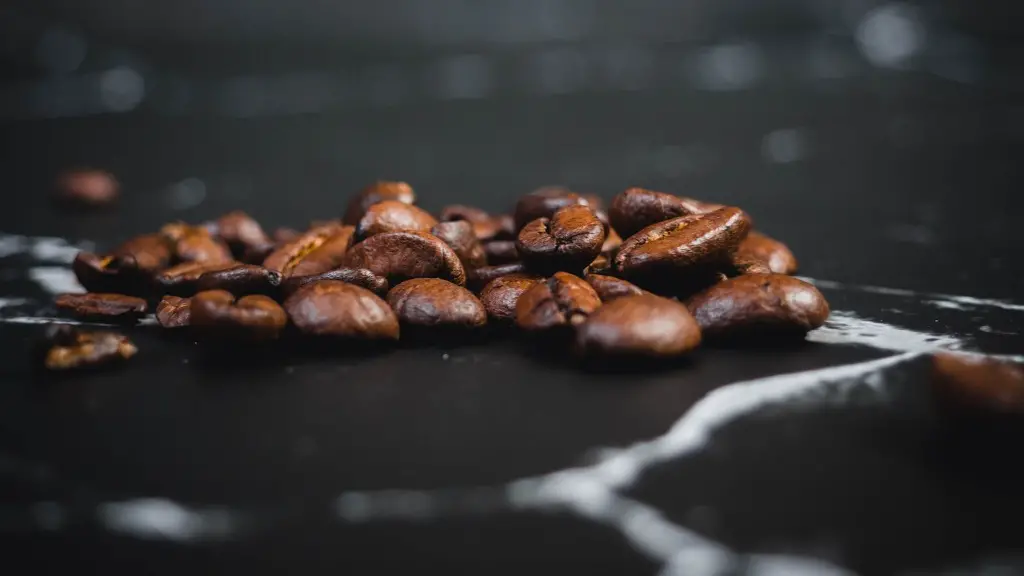
While most oncologists advise patients not to consume caffeine while undergoing chemotherapy, drinking decaffeinated coffee can be safer. Decaffeinated coffee is a great option for those who want to enjoy the taste of coffee but are not allowed to consume caffeine. The amount of actual caffeine in decaf coffee is typically 0.2 to 0.7 milligrams per ounce, which is a very small amount compared to regular coffee, which can contain between 95 to 200 milligrams per ounce.
However, decaf coffee is not entirely without caffeine. It can still cause some of the same side effects as regular coffee, including headaches, irritability and jitteriness. Therefore, it is still important to keep one’s individual needs in mind when deciding to drink decaf coffee on chemo. It is best to discuss this with a medical professional or nutritionist to decide which option is best for each individual.
In addition to making sure that the coffee is decaffeinated, it is also important to be aware of the other ingredients in coffee, such as sugar and milk. These ingredients can also have an effect on blood glucose levels, so it is important to be mindful of their consumption while on chemo. In addition, some chemicals used in the decaffeination process can also be harmful, so it is important to make sure that the brand of decaf coffee being consumed is certified organic.
Coffee Alternatives on Chemo
Decaf coffee is not the only option for those on chemo who still want to enjoy a beverage. Fortunately, there are a variety of other options that can be enjoyed as well. For example, decaffeinated tea or herbal teas, such as chamomile or peppermint, are great options for those on chemo. Different types of juices, like apple or orange juice, are also good choices because they can provide valuable vitamins and minerals that may be lacking due to the side effects of chemotherapy.
Another option to consider is decaffeinated hot chocolate. This beverage contains no caffeine and can be a comforting choice, especially during the winter months. The sweetness of hot chocolate may also help to counteract the metallic aftertaste and dryness in the mouth that can often be experienced during chemo.
If none of the above options appeal, there are a variety of other options that can be explored. As mentioned, it is important to consider one’s own situation and discuss what options may be better for them with a medical professional or nutritionist.
Nutritional Support During Chemo
As mentioned, side effects from chemo can make eating and drinking difficult. It is important to get nutritional support during this time to ensure that all nutritional needs are being met. This can be in the form of a nutritionist who can provide personalized nutrition advice and help with meal planning, or it may be as simple as reaching out to family and friends for meal delivery.
It is also important to practice mindful eating and to be aware of any aversions to certain foods. This is particularly important when trying something new, such as decaf coffee. It is best to start off with a small amount and to pay attention to any side effects that may occur.

Finally, it is important to drink plenty of fluids while on chemotherapy. This will help to prevent dehydration and other side effects that can be experienced. Fluids like water or broth can also help to replace any minerals and electrolytes that may be lost due to chemo, so it is important to stay well hydrated.
What To Look For In Decaffeinated Coffee
When buying decaf coffee, it is important to make sure that it is actually decaffeinated. It is also important to read the labels to make sure that no extra ingredients, such as sugar or artificial sweeteners, have been added. Finally, it is important to make sure the beans have been certified organic, as this will ensure that they were not decaffeinated with chemicals.
There are several different methods of decaffeination, and many of them are relatively safe. The most common method is known as the “Swiss Water Method,” which uses activated carbon filters to remove the caffeine. Another method is the “Mountain Water Process,” which uses a solvent, usually ethyl acetate, to remove the caffeine.
It is also important to make sure that the coffee is freshly roasted and of high quality. Freshly roasted coffee will have a more intense flavor and will provide the optimum amount of antioxidants. Quality is also important, as it is an indication of whether the coffee has been grown and processed with care.
Other Considerations

When deciding to drink decaf coffee on chemo, it is important to consider the potential risks. As mentioned, it is best to discuss this with a medical professional or nutritionist to make sure that it is the best option for individual needs. It is also important to be aware of any allergies or sensitivities that may be present.
It is also important to be mindful of how much caffeine is in the coffee. Even though decaffeinated coffee has far less caffeine than regular coffee, it can still have an effect on people who are sensitive to caffeine. Drinking too much can cause side effects, such as increased blood pressure, an irregular heart rate and anxiety, so it is important to be mindful of the amount consumed.
Finally, it is important to remember that while decaffeinated coffee can be enjoyed while on chemo, it is not the only option. As mentioned, there are many other beverages that can be enjoyed that are both nutritious and comforting. Therefore, it is important to find the best option for individual needs.
Effects Of Caffeine On The Body
Caffeine is considered to be a psychoactive stimulant, meaning that it has a direct effect on the central nervous system. It can have physical and mental effects on the body, such as increased alertness and energy. It can also have a negative effect on the body, such as increased heart rate, increased blood pressure and restlessness.

Caffeine is often used as a pick-me-up, but it can also be counterproductive. Too much caffeine can cause physical and mental fatigue, anxiety, irritability and difficulty sleeping. Therefore, it is important to consider one’s own individual needs when deciding if and how much caffeine to consume.
Benefits Of Decaf Coffee
Decaf coffee is a great way to get the taste of coffee without having to worry about the negative side effects of caffeine. It can also provide other health benefits, such as improved digestion, increased energy levels, increased alertness and improved concentration.
In addition, decaffeinated coffee can provide valuable antioxidants that can help to protect the body from the damage caused by free radicals. It can also help to reduce the risk of heart disease and can provide anti-inflammatory benefits.
Conclusion
Decaf coffee can be a great option for those on chemo who still want to enjoy the taste of coffee. However, it is important to consider one’s individual needs and talk to a medical professional or nutritionist before consuming it. It is also important to be aware of the other ingredients in the coffee, as well as the potential effects of caffeine on the body.
