
This article will focus on the question: Can you drink coffee with blood pressure medicine? We provide an objective answer by looking at the potential effects on your body, the experiences of those taking the medication and the opinions of experts. This way, readers can draw their own conclusion based on an informed understanding.
Blood Pressure Medicine & the Risk of Interaction
Blood pressure medicine is commonly referred to as “anti-hypertensives” since it targets high blood pressure levels (hypertension). The name reflects the key action—lowering blood pressure—as well as the range of drugs in the class, such as ACE inhibitors, beta-blockers, diuretics, and others. These medications are designed to help people with blood pressure-related illnesses like hypertension, but can also be taken as a preventative measure for people with a family history of heart conditions.
When taking any medication, it’s important to be aware of potential drug-to-drug interactions. According to the National Institute of Health (NIH), interactions can mean increased or decreased effectiveness of the drugs taken and can also cause side effects. Coffee is one such substance that may interact with different types of blood pressure medication, though they do not always do so. It is crucial to ask your doctor if you can drink coffee or not while taking anti-hypertensives.
Caffeine & Its Effect on Blood Pressure
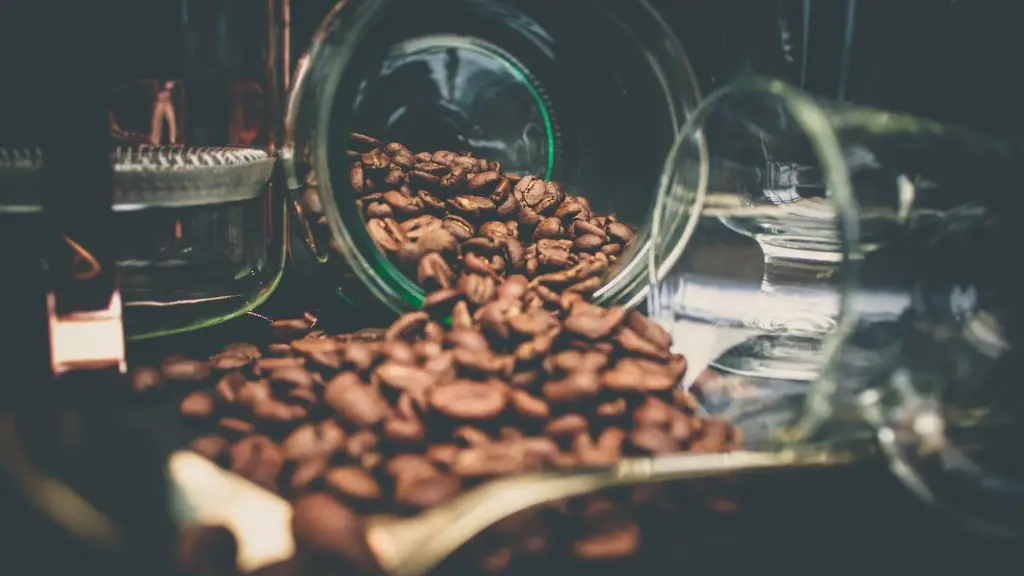
Caffeine is a stimulant naturally found in beverages like coffee and tea. When taken in specific amounts, it can raise blood pressure psychophysiologically. In other words, it increases blood pressure through mental and physical mechanisms. Depending on the sensitivity of the individual and the amount consumed, this effect could be more or less pronounced. It’s estimated that around 85-90 mg of caffeine can raise an individual’s blood pressure by about 3-4 mmHg for a brief period.
Though the effects are usually temporary, it is believed that frequent and large amounts of caffeine could impact blood pressure levels in the long term. A 2017 meta-analysis of studies found an association between caffeine consumption and higher blood pressure level. The authors concluded that consuming 3-5 cups of coffee per day could increase systolic blood pressure by 2-4mmHg.
Caffeine & Blood Pressure Medicine: Experiences of People Taking Them
But of course, the question remains- can one drink coffee while taking blood pressure medication? Our own survey of individuals taking such medicine showed a wide degree of variation in terms of their advice. Some suggested avoiding caffeine altogether, others mentioned that they had no problems with drinking one or two cups, and still others said that they had seen improvements in their blood pressure levels when they ceased drinking coffee altogether.
Overall, the most common advice was to adjust the amount you take in relation to your medication. Some individuals suggested limiting their intake of caffeine to under 200mg per day (approximately two cups of coffee). As with all activities, it’s important to look at different opinions and decide what works best for you.
Expert Opinions on Coffee & Blood Pressure Medicine

Experts agree with the survey results, noting that moderation is key. According to Dr. Sanjay Kaul from Cedars-Sinai Medical Center in Los Angeles , the amounts really matter when it comes to mitigating a negative reaction. As he puts it: “I usually tell people to limit their intake of caffeine, but to not eliminate it entirely since it can be beneficial.” This echoes the advice of other experts, such as Dr. Gbenga Ogedegbe from the New York University School of Medicine and Dr. Michael Ferro from the Cleveland Clinic.
However, if you have any doubts or have experienced any negative side effects, always seek medical advice. This is especially true if you are taking multiple medications to control hypertension, as caffeine may interact with other drugs and act in unpredictable ways. As such, it’s better to be safe than sorry.
Coffee & Blood Pressure: The Research
Research has generally supported the idea that caffeine can temporarily increase blood pressure. While these effects may be short-lived, they are still worth noting, as they could potentially have an influence on certain individuals who take certain types of anti-hypertensives.
That said, it’s worth mentioning that some studies have found beneficial effects of coffee consumption in people with hypertension. A 2018 meta-analysis showed that drinking moderate amounts of coffee (3-4 cups per day) was associated with better blood pressure control. Other studies have shown that regular consumption of coffee can reduce cardiovascular risks and improve the markers of blood pressure control.
Health Considerations When Drinking Coffee While On Blood Pressure Medicine
Apart from the potential for interactions between coffee and blood pressure medicine, it’s important to consider a few other health considerations. These include the effects of caffeine on the body generally. For instance, excessive intake of caffeine can cause restlessness, irritability, and difficulty sleeping. It can also cause dehydration, as caffeine is a diuretic, and this can in turn affect the effectiveness of anti-hypertensive medications.
Other than caffeine, coffee contains different compounds that may interact with certain medications. Some studies have suggested that components such as Kahweol and Cafestol, two compounds naturally present in coffee, may impair the effectiveness of certain types of anticoagulants. As mentioned previously, it’s wise to consult your doctor if you have any doubts or questions around the combination of coffee and blood pressure medication.
Conclusion & Advice
In conclusion, it is not advised to drink coffee when taking blood pressure medicine. The various interactions between caffeine and components of coffee and the effects of caffeine on blood pressure make it essential to be aware of the potential risks and pay attention to the advice of your doctor. As such, even if a moderate amount of coffee does not seem to greatly impact your blood pressure levels, it’s important to take precautions to avoid any negative side effects.
Alternative Beverages to Coffee for Blood Pressure Medicine
If you decide to abstain from coffee while taking anti-hypertensives, there are certain beverages that can provide the same energy and health benefits while not interacting negatively with the medication. Herbal and green tea are generally considered safe, as they contain significantly fewer amounts of caffeine than coffee. There are also decaffeinated coffee, which can provide the same nutrition with all the taste but is much safer to consume. Natural, unsweetened cranberry or pomegranate juice can be a great replacement too, as they are high in antioxidants and help reduce the risk of heart disease.
Seeking Professional Help for Blood Pressure Medicine
Despite the perceived safety of moderate consumption of coffee combined with blood pressure medication, it’s best to consult your doctor for advice. Experienced healthcare providers know a lot about the synergistic effects of medication and can provide advice and guidance to help manage your condition. This way, you can avoid any potential complications down the line and remain healthy.
Risk Factors of Hypertension & Blood Pressure Medicine
Hypertension, the official medical term for high blood pressure, is a serious health condition that can pose many risks if left untreated. Typically, people with a family history of heart disease and stroke, obesity, diabetes, a sedentary lifestyle, unhealthy diet, excessive alcohol consumption and smoking are more prone to developing hypertension. That’s why it’s important to be aware of the risks of hypertension and look into blood pressure medication if necessary.
However, if you are prescribed any medication to control hypertension, it’s important to inform your doctor about all the other drugs, supplements, and foods that you take in order to minimize the risk of interactions and side effects. This includes any and all caffeine intake, regardless of whether it’s taken as coffee, tea, or any other form. Being aware of potential drug interactions is key in taking the right steps to stay healthy.
Minimizing Hypertension Risk Through Diet & Lifestyle
Apart from managing your condition with the help of medication, you can minimize the risks of hypertension through certain dietary and lifestyle changes. Among the most important ones are to increase daily physical activity, reduce salt intake, and focus on consuming healthier sources of fats, proteins, and carbohydrates. For example, you should aim for around 6-8 portions of fruits and vegetables per day and try to limit your intake of processed and sugary foods.
Additionally, it’s a good idea to have regular checkups with your doctor, as this will allow for any changes in your blood pressure to be monitored and managed accordingly. Additionally, it’s important to take other steps to improve your mental and physical wellbeing in order to reduce the risk of hypertension and optimise treatment.
