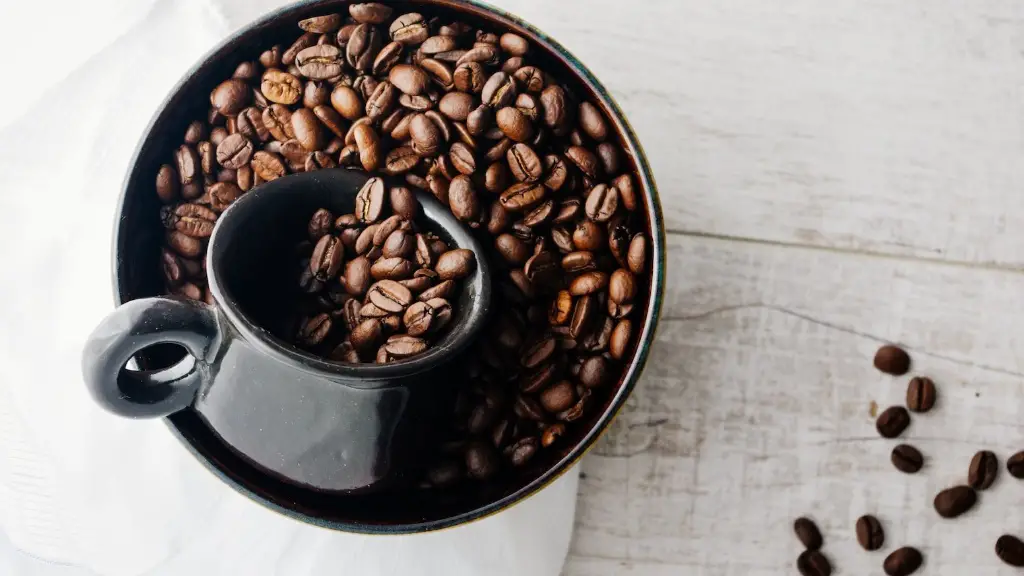
We’ve all been there. Diarrhea – that embarrassing, sleepless bout of stomach troubles that always seems to happen when we least expect it. We know the basics of treating it – rest and hydration – but can we drink coffee during it? The answer isn’t so clear-cut.
Coffee is a diuretic, which means it flushes fluids from the body. On the one hand, this could be beneficial, as it could help flush out the bacteria causing the diarrhea and reduce the duration of the episode. On the other hand, the dehydration caused by diuretics could worsen the problem.
Medical experts generally advise against drinking coffee during a bout of diarrhea unless it is decaffeinated. Caffeine is known to cause dehydration, and can make diarrhea worse. Decaffeinated coffee, on the other hand, can be beneficial, as it can help with excess gas, bloating, and abdominal cramps which often accompany diarrhea.
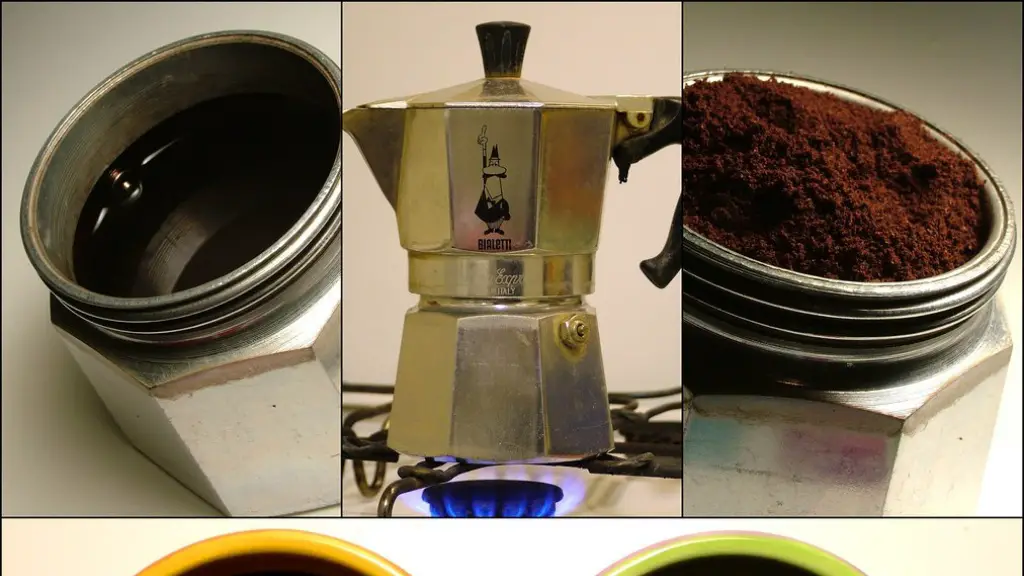
It’s important to note that coffee is more than just caffeine. Coffee also contains minerals, vitamins, antioxidants, phytochemicals, and other compounds which can be beneficial for your health. Therefore, it’s important to moderate your coffee consumption and consider drinking it in moderation.
Coffee isn’t the only thing to be aware of when treating diarrhea. Dairy, alcohol, and sugary drinks should be avoided during diarrhea episodes, as they can make the condition worse. So replacing coffee with plenty of water, and other liquids like electrolyte solutions and clear broths, can be beneficial.
The best way to get rid of diarrhea is to treat the underlying cause. Consult your doctor if your symptoms persist for more than a few days and make sure you get a proper diagnosis. Treatment for diarrhea usually involves antibiotics or antiviral drugs and plenty of rest. Following your doctor’s advice is likely to be the best way to treat your condition.
Stress Levels
Stress is an important factor to consider when treating diarrhea. Chronic stress is known to have an effect on the gastrointestinal system and can make diarrhea worse. It is important to take measures to reduce stress during a bout of diarrhea. This can include doing relaxation exercises, taking a walk in nature, and getting plenty of rest.
It may also be helpful to eliminate the foods you suspect may be causing the problem. This can help identify if the problem is related to food allergies or sensitivities and help you avoid them in the future. A food journal can help you track which foods are causing the problem.
Finally, probiotics may be helpful in treating diarrhea. Probiotics are beneficial bacteria that help restore the natural balance of bacteria in the gut, which can help with digestive issues like diarrhea. They can be taken in supplement form, or you can add them to your diet with foods like yogurt, sauerkraut, and kimchi.
Alternatives
When trying to treat diarrhea, there are many options, including antibiotics and probiotics, as well as diet and lifestyle changes. In addition to these, there are some natural remedies that may be helpful in treating the condition. Herbal teas, such as ginger, chamomile, and peppermint, as well as peppermint oil and ginger, can help ease stomach upset associated with diarrhea.
Acupuncture and other alternative therapies may also be beneficial. Acupuncture has been studied as a treatment for digestive issues, and evidence suggests it can be helpful in reducing symptoms like abdominal pain, bloating, constipation, and diarrhea. Other alternatives, such as hypnotherapy, biofeedback, and ayurveda, may also be helpful.

It’s important to remember that everyone is different and what works for one person may not work for another. As such, it’s always best to consult with a healthcare professional before trying any of these natural treatments.
Medications
There are also medications that can be helpful in treating diarrhea. Imodium is a commonly used medication to help reduce diarrhea symptoms. It works by slowing down the action of the digestive system which helps regulate the motility and decrease the passage of stool. However, it is important to note that this type of medication is only recommended for short-term use and is not intended to be used long-term as it can lead to dependency.
Also, if you are on any other medications, or have any medical conditions, such as kidney or liver disease, it is important to consult your doctor before taking any medication for diarrhea. Some medications, such as antibiotics, can interact with other medications and cause serious side effects.
If you have frequent bouts of diarrhea, it is important to consult a doctor to determine the underlying cause. It is possible that the diarrhea is a symptom of a more serious underlying health condition and should be evaluated. Your doctor can also help determine the best treatment options for your particular condition.
Lifestyle Changes

Taking steps to reduce stress and making lifestyle changes can be helpful in treating and preventing diarrhea. Eating smaller meals more frequently, drinking plenty of fluids, getting regular exercise, and managing stress levels can help prevent future episodes of diarrhea. It’s also important to make sure you get enough sleep and keep your immune system strong.
Eating a balanced diet that includes plenty of fiber, probiotics, and prebiotics can also help regulate the digestion and reduce symptoms of diarrhea. Foods like yogurt, sauerkraut, kimchi, lentils, beans, and quinoa are all good sources of fiber and can be helpful in preventing diarrhea. Reducing your consumption of processed foods, sugar, and caffeine can also be beneficial.
Making lifestyle changes can be difficult, and it can take some time to see results. It’s important to stay patient and stick with it, as these changes can have a positive effect on your overall health, as well as help prevent future bouts of diarrhea.
Drinking Coffee with Diarrhea
In summary, while drinking coffee during diarrhea can be beneficial in some cases, medical experts generally advise against it unless it is decaffeinated. Caffeine can worsen symptoms and cause dehydration. Replacing coffee with plenty of water, and other liquids like electrolyte solutions and clear broths, can be beneficial.

It’s also important to treat the underlying cause of the diarrhea. Consult your doctor if your symptoms persist for more than a few days. Stress levels and lifestyle changes can also be important factors to consider when treating and preventing diarrhea. Taking steps to reduce stress and making lifestyle changes can be helpful in treating and preventing diarrhea.
