Health Benefits And Risks Of Drinking Coffee While On Period
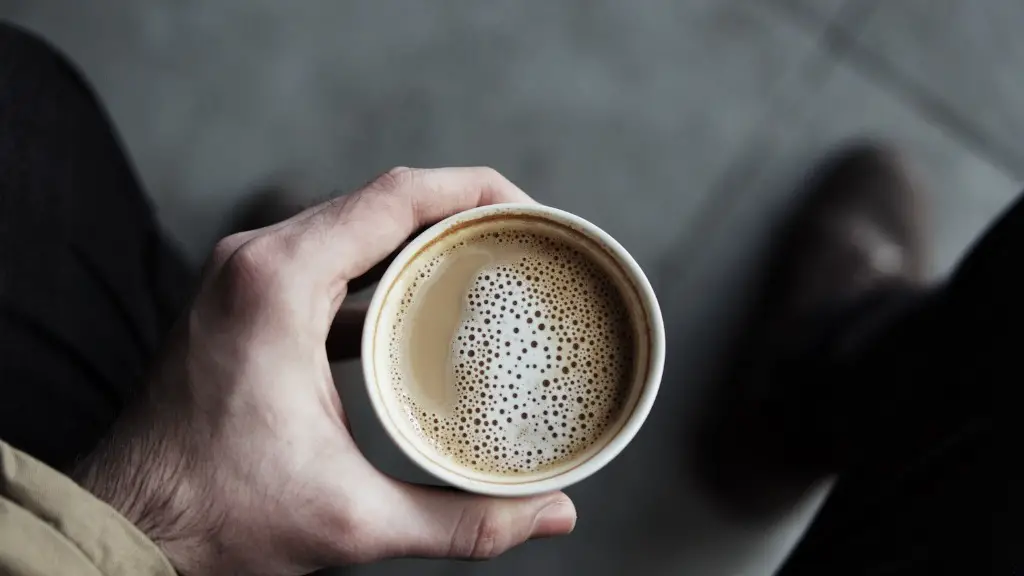
Many women feel that headaches and fatigue become more pronounced during menstruation. As such, many women turn to caffeine in the form of coffee to help alleviate these symptoms, prompting the question, ‘Can you drink coffee while on period?’
The short answer is ‘yes’ – caffeine does not have adverse effects on menstruation and can even provide health benefits if drunk in moderation. Several studies suggest there may be a relationship between caffeine and elevated levels of endorphins and serotonin, hormones associated with improved physical and mental health.
However, drinking too much coffee while on period can have a potentially adverse impact. Too much caffeine can cause jitteriness and a spike in blood pressure, leading to symptoms of anxiety or insomnia. Caffeine can also lead to dehydration, a side effect known to cause cramping during the period.
How Much Coffee Can A Woman Drink During Her Period?
The exact amount of caffeine consumed during menstruation depends on the individual, as it varies from person to person and is based on several factors, such as body weight, metabolism, and caffeine tolerance.
While the World Health Organization (WHO) recommends limiting daily caffeine intake to 400 milligrams per day, the Harvard School of Public Health advises women to reduce their consumption to 200-300 milligrams over the course of the period. This means limiting oneself to 3-4 cups of coffee per day.
Caffeine Alternatives For Women On Period
If consumption of coffee is limited due to health concerns, there are alternatives. For a caffeine-free alternative, there is herbal tea, as some herbs may help alleviate period cramps. Further, natural hot or cold beverages such as smoothies, juices, and soups can also provide much-needed hydration and help maintain electrolyte balance.
What Are The Nutritional Requirements During Period?
In addition to limiting coffee intake, women should consider their overall diet during the period. Eating foods with a high nutritional value can help reduce cramping and bloating.
Foods high in magnesium, such as nuts and leafy greens, can help relieve period cramps as magnesium relaxes the muscles. Similarly, fatty fish, eggs, and yogurt provide important nutrients that help create a feeling of balance and well-being.
Fiber-rich foods such as avocados, oats, and beans can also help digestion and reduce water retention, reducing uncomfortable bloating.
How To Improve Mental Health During Period?
Despite the potential health benefits of caffeine, women should be mindful of their emotional well-being while drinking coffee during the period. If a woman experiences an emotional crash while drinking coffee, this is a sign that coffee should be avoided at this time.
Recognizing the impact of stressful life events can allow women to modify their coffee consumption before and during the period to ensure emotional stability. Further, recognizing and managing stress can prevent anxiety during the period, providing emotional relief and stability.
Finding healthy outlets for stress relief can help reduce overwhelming feelings. Activities such as light exercise, reading, and spending time with friends can help lift the mood and provide a feeling of normalcy.
How To Support A Partner During Her Period?
Menstruation affects not only the woman directly but also her partner. As the partner, understanding the physical and emotional needs of the woman and providing a listening ear can help ease the burden of the period.
Knowledge and communication are key in understanding how to best support your partner during her period. This could involve gently suggesting a light walk, providing comforting words and hugs, or offering to run errands. If a partner is open to discussing their physical needs and emotional triggers, this can provide insight into what tactics may help alleviate or reduce period symptoms.
What Are Some Tips For Dealing With Menstrual Cravings?
Period cravings are normal, and unhealthy snacks and junk food can provide quick and easy sugar rushes that provide temporary relief from cramps and mood swings.
When giving in to cravings, it is important to recognize that these cravings are not a bad thing, recognizing that these cravings are trying to tell us something. Therefore, instead of opting for unhealthy snacks, it is suggested to find healthy alternatives that still satisfy the craving. Healthy snacks and meals can provide much-needed energy and vital nutrients to support and nourish the body during the period.
Conclusion On Coffee During Periods
At the end of the day, how much coffee a woman can drink during her period depends on the individual and their underlying health conditions. While some might find caffeine to be beneficial, others may find that the adverse effects outweigh the potential benefits. At the same time, it is important to be mindful of the body’s cues that can offer insight into how caffeine is affecting the body and feelings. Ultimately, listening to one’s body is the best guide in making decisions about what is best for one’s health during the period.
