
Can You Drink Coffee on Diet?
The question of whether coffee can be enjoyed on a diet is one that health professionals and researchers both tend to agree upon. Many believe that coffee, when consumed in moderation, can be beneficial to overall health, as such it can be consumed while adhering to a diet.
Health professionals agree that brewed coffee, when drunk without sugar, syrups, or flavourings, can fit into a healthy diet as it is virtually calorie-free. This makes drinking coffee a popular choice for anyone who is trying to adhere to a weight-loss regime.
The benefits of drinking coffee don’t stop at the mouth. Studies have been conducted by the Harvard School of Public Health that suggest that the compounds found within coffee may offer a range of benefits, from protecting against neurodegenerative diseases to reducing the risk of some cancers.

The effects of caffeine found in coffee are also significant. Caffeine is a natural stimulant that, when consumed in moderation, can increase alertness and physical performance. It also helps to suppress appetite, which can make it difficult for someone attempting to follow a diet.
In addition to the stimulant effects of caffeine, studies have shown that drinking coffee may also suppress appetite in other ways. The polyphenols found in coffee, which are antioxidants, have been linked to improved insulin sensitivity, meaning that people experience a spike in energy levels after drinking coffee as well as a decrease in appetite.
However, experts stress that although coffee can be beneficial within a healthy diet, it is best consumed in moderation. Drinking too much coffee can have a range of negative side effects, such as insomnia, headaches, and an increased heart rate. It is important to be mindful of how much coffee is being consumed, as the effects of over-consumption can be serious and detrimental to health.
Coffee on Intermittent Fasting
Intermittent fasting has become an increasingly popular diet option, and coffee can be an important part of maintaining this diet. Many people opt for a cup of black coffee as a way to suppress hunger and boost energy levels during fasting periods. However, if possible it’s best to avoid sweetened coffee drinks as they will contain sugar and calories which can interfere with the efficacy of the diet.

Another way to drink coffee while intermittent fasting is to have it with a little bit of fat, such as coconut oil, or with a scoop of protein powder. Although this will add extra calories to the drink, it is often beneficial in the long run. Addition of these substances helps to slow down absorption of the caffeine and helps to stabilize the blood sugar for better energy throughout the day.
One of the main benefits of drinking coffee on the intermittent fasting diet is that it helps to suppress and regulate hunger throughout the day. This can be beneficial for anyone looking to stick to a healthy diet as it enables them to stay in control of their eating behaviours. Coffee also offers an energy boost and a taste sensation that many people find enjoyable.
Benefits of Coffee on Weight Loss
Research has hinted at the potential health benefits of coffee consumption when trying to lose weight. Studies have suggested that those who drink coffee regularly are less likely to become overweight or obese when compared to those who do not drink coffee. This could be linked to the way that caffeine affects the body, as well as the antioxidants found in coffee.
Caffeine, in modest amounts, may increase metabolism, which makes it easier for the body to burn calories. Additionally, it can help to reduce cravings for unhealthy foods that often help to promote weight gain. The antioxidants found within coffee may also play a beneficial role in helping to control weight, with research suggesting that coffee may help to protect against weight gain when consumed regularly.

There is. however, still some uncertainty about the role coffee drinking plays when trying to lose weight. Further research is needed to ascertain the ways in which coffee can help with weight loss, and health professionals advise trying to maintain a balanced diet with regular exercise when attempting to lose weight.
Relevant Research
Studies have been conducted by the Harvard School of Public Health to ascertain the effects of coffee on overall health. The research has shown that those who drank a higher volume of coffee each day were less likely to become overweight or obese than those who did not drink coffee. This was due to the way caffeine and antioxidants affect the body, especially when it came to metabolism and controlling cravings of unhealthy foods.
The research also concluded that those who drank coffee regularly were less likely to suffer from some diseases and illnesses when compared to those who did not drink coffee. This is due to the antioxidants found within the coffee, as well as other beneficial compounds found within the drink.
Overall, the research suggests that coffee may have a positive effect on overall health and it can be enjoyed safely as part of a balanced diet.
Side Effects of Coffee on Diet

Although coffee can be beneficial when consumed in moderation, there can be side effects when drinking too much coffee on a diet. Those who drink coffee should be aware of the amount they are consuming, as excessive coffee drinking can lead to a range of side effects.
Some of the potential side effects that can arise from over-indulging in coffee include increased heart rate, headaches, insomnia, and digestive issues. Too much caffeine can also have a negative impact on mood, causing irritability and anxiety.
Many of these side effects can be minimised by consuming coffee in moderation and following a balanced diet. It may be beneficial to eliminate caffeine from diet altogether for a short period of time in order to allow the body to reset and alleviate existing symptoms for those already experiencing issues.
Alternative Beverages
Although coffee is an important part of many diets, there are alternatives that may suit certain individuals better. Herbal teas are a great way to enjoy a hot beverage without the effects of caffeine, as herbs can still provide a range of healing benefits to the body. Other alternative beverages include green tea, chicory root tea, and fruit-infused waters.
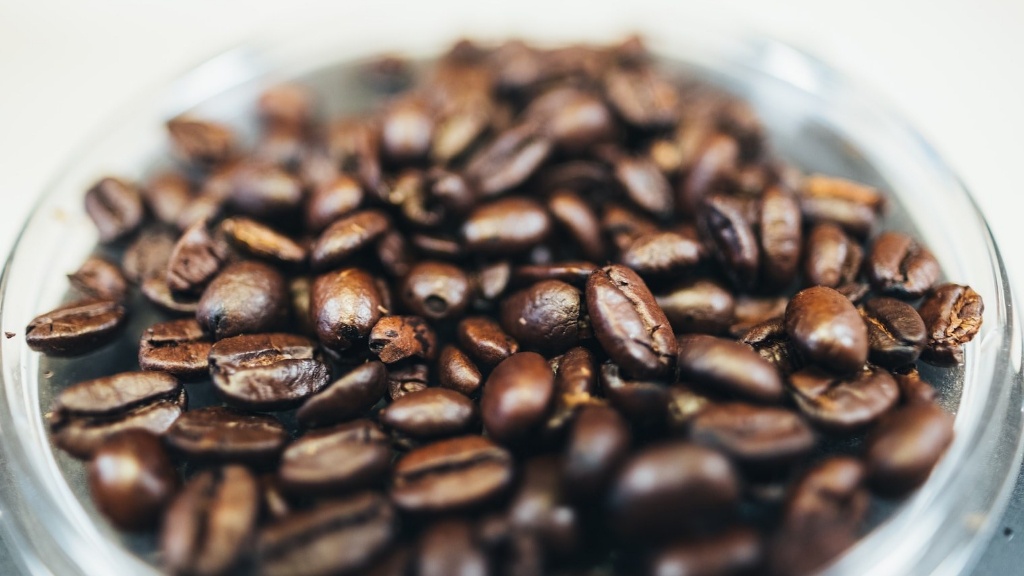
All of these options can provide an energy boost to the body while also helping to balance the skin, boost metabolism, and regulate digestion. Non-caffeinated beverages can also be enjoyed at any time of the day without risk of the potential side-effects that come with caffeine consumption in large amounts.
Conclusion
When consumed in moderation, coffee can be an important part of the diet, as it can provide a range of health benefits while not compromising a weight-loss regime. Research suggests that drinking coffee regularly can help to protect against obesity and some diseases, as well as offer a caffeine fix that helps to suppress appetite and boost alertness. However, it is important to be mindful of caffeine consumption and drink in moderation to avoid any potential side effects.
For those looking for an alternative to coffee for a caffeine hit, there are other beverages that can provide an energy kick without the potential side effects. Herbal teas and fruit-infused waters are great alternatives to coffee, as they help to provide an energy boost while still offering the health benefits of herbs.
