Many people practising intermittent fasting swear by its health benefits, from weight loss to improved focus. Some may wonder whether it’s still possible to enjoy a cup of coffee while following the intermittent fasting protocol. The answer is, with some considerations, yes.
Intermittent fasting requires that you abstain from eating for a pre-determined length of time and then resume eating again. Participating in intermittent fasting typically leads to a reduction in calories due to the fasting period. Coffee is allowed during an intermittent fasting period, but it must be consumed without added sugar, cream, or other additives.
Drinking coffee during intermittent fasting can help people to feel more alert and focused during the fasting period. Caffeine is thought to increase lypolysis, which is when the body mobilizes and burns fat for energy. However, consuming too much caffeine can disrupt the body’s natural hormones and result in fatigue, so it’s important to consume coffee in moderation.

Nutritionists and dieticians believe that the best approach is to use a ‘stop the clock’ approach when it comes to consuming coffee while fasting. This means that a person ensures that they consume their coffee during the pre-fasting period. They would drink their coffee well before they stop eating, and once they start eating again, they will break their fast.
Having said that, nutritionists suggest that it is advised to limit the amount of caffeine (or coffee) consumed in the hours leading up to when an intermittent fasting period should start. This is to ensure the body does break any fast that is in place. It’s important to note that tea is also allowed but should be consumed in moderation and without added sugar, honey, or other sweeteners.
Ultimately, if you’re following the intermittent fasting protocol, participating in occasional coffee drinking can be a great way to have a healthier lifestyle. But, it’s always best to speak with a doctor or nutritionist to get personalized advice tailored to your individual health needs.
How Much Coffee Can I Have on Intermittent Fasting?
Generally, nutritionists recommend to drink a maximum of 2-3 cups of black coffee or tea during fasting times and the amount should always be taken into consideration when fasting. The body should adjust to small amounts of caffeine during the fasting period.

People who are just starting out with intermittent fasting, are suggested to begin with a small amount of coffee during the fasting period and increase when needed. This helps people to get a sense of how the body reacts to coffee while they are fasting and determine how often coffee can be integrated.
It is also important to consider that some people consume coffee not just for the perks from caffeine, but just for the taste. Others might drink coffee during the morning to help give them the energy boost to start their day – this is when it’s important to consider incorporating coffee in the pre-fasting phase.
Regardless of the reason for drinking coffee, it can play an important role in intermittent fasting.
Best Practices for Consuming Coffee While Fasting
It’s always beneficial to understand the advantages and disadvantages of drinking caffeine during intermittent fasting. The most important point to consider is limiting the intake of caffeine to a reasonable level.
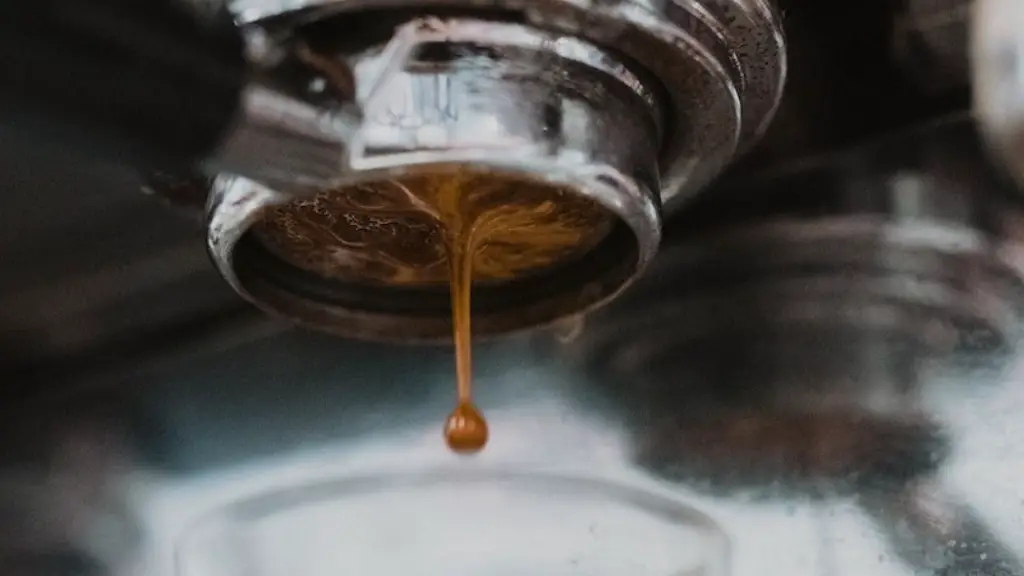
Nutritionists suggest drinking coffee without added sugar or creamer, as they can ruin the benefits of the fast. If black coffee is too strong or bitter, a small amount of low fat or non-fat milk can be added.
It is also advisable to not drink coffee right before bed – this may interfere with sleep and cause indigestion. If a person is having problems sleeping, they should stop drinking coffee two to three hours before bedtime to prevent sleep disturbances.
Some may also consider investing in organic coffee. These types of coffee are free from synthetic chemicals and pesticides and may help to reduce the risk of certain health conditions. Organic coffee is also more sustainable and environmentally friendly.
What Are The Alternatives To Coffee During Intermittent Fasting?
If someone does not want to drink coffee, there are several alternatives to caffeine that are suitable for intermittent fasting. This includes herbal teas like ginger tea, green tea, and chamomile tea.

Herbal teas, such as green tea, are naturally calorie-free and contain several antioxidants which support the immune system. They are also naturally caffeine-free and can be consumed during the fasting period without disrupting the process.
The best thing about herbal teas is that they can be consumed hot or cold and do not need to be taken with added sugar or cream. They can also be infused with fresh or frozen fruits, herbs, and spices like cinnamon, honey, and lemon, to give the tea an added flavor boost.
Considering these alternatives and consuming them in moderation can be a great way to enjoy a drink during intermittent fasting.
Is it Safe To Drink Coffee While Fasting?
Generally, intermittent fasting is safe for healthy individuals and fits within healthy guidelines.However, drinking coffee while fasted can cause issues like headaches, nausea, dizziness and irritability. Therefore, moderation is key.

Additionally, people with certain health conditions, such as liver problems and high blood pressure, should be careful when fasting and should avoid consuming coffee during an intermittent fasting period.
Moreover, pregnant women, people who are breastfeeding and anyone with a medical condition should consult their doctor before starting any form of fasting protocol.
Can Coffee Break An Intermittent Fast?
While coffee does have some health benefits and can be consumed during intermittent fasting, it is important to understand that coffee can break a fast. Therefore, if one’s goal is to continue with a fast and not break it, coffee should be consumed only in moderation and during the pre-fasting window.
For example, if a person starts drinking coffee during the fasting window, it can disrupt their biological clock and break the fast. In this case, the person should try to start their next fast slightly earlier.
The sugar and milk added to coffee can ruin a fast, as they provide additional energy and calories, leading to an early end to the fasting period. While these additions are not allowed during an intermittent fasting period, a splash of non-fat or low-fat milk is allowed.
Benefits & Drawbacks of Coffee During Intermittent Fasting
Intermittent fasting is a popular dieting method that is growing in popularity. Coffee consumption is allowed during intermittent fasting, although there are certain considerations to bear in mind.
The main benefit of consuming coffee during intermittent fasting is that it can help to keep the body energized and alert during the fasting period. Coffee also helps to increase lypolysis, which is when the body burns fat for energy. However, it is important to limit the amount of coffee consumed for optimal benefit.
On the other hand, it is possible to consume too much caffeine, which can adversely affect energy production and disrupt the body’s natural hormones. Too much caffeine can lead to fatigue, headaches, and nausea. Therefore, it’s always a good idea to speak to your doctor or nutritionist to get personalized advice if you plan on drinking coffee while intermittent fasting.
