
Background Information on Alcohol
Alcohol is a depressant of the central nervous system. It is produced by fermentation and is a brewed from grains, fruit, or other plants. It can be found in beer, wine, and distilled spirits such as whiskey, rum and vodka. Alcohol causes intoxication when it is consumed, which results in physiological, psychological, and behavioral changes. It has psychoactive properties which can impair cognitive and motor skills. In the USA, the legal drinking age is 21, but it varies in other countries.
Benefits & Risks of Consuming Alcohol
There can be many benefits of consuming alcohol in moderation, including reducing the risk of heart disease, stroke and some cancers. It can increase levels of ”good” cholesterol and decrease the risk of Type II diabetes. In addition, the antioxidants found in red wine can have a positive effect on mental health. However, there are also risks associated with excessive consumption, including addiction, liver damage, an increased risk of cancer and an impaired immune system.
Can You Drink Alcohol After Coffee?
The answer depends on how much coffee is consumed and how much alcohol is imbibed. Both drinks contain caffeine and alcohol, and the combination of the two can cause adverse side effects. Caffeine is a stimulant and alcohol is a depressant, so drinking them together can have an adverse reaction in some people. The interaction of these two substances can cause sleep disturbances, anxiety and confusion.
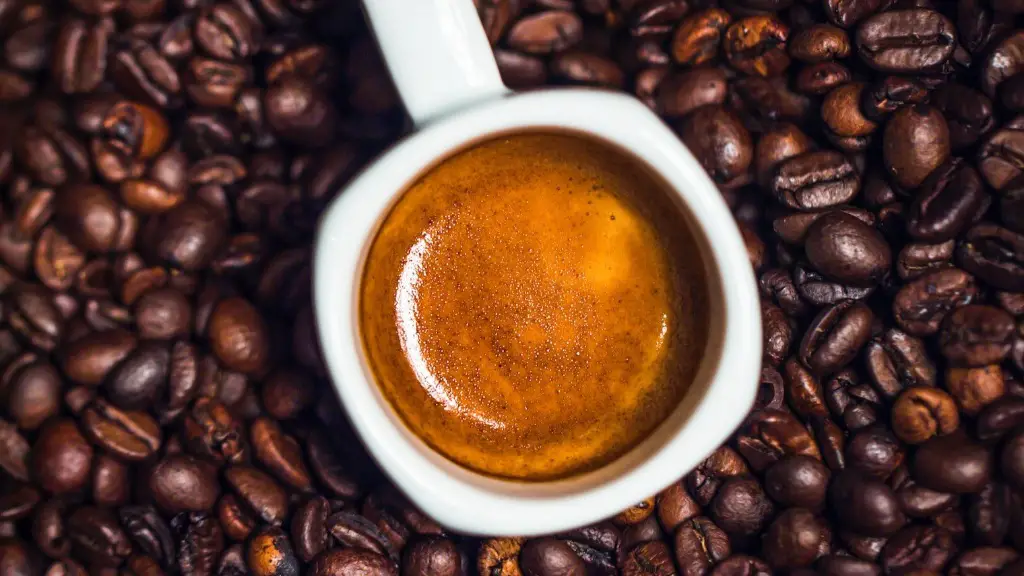
According to experts, it’s best to avoid consuming caffeine and alcohol together. Even when consumed separately, alcohol should always be drunk responsibly and in moderation. Consuming too much of either can be bad for physical and mental health, and combining them can increase the risk of negative health outcomes.
Risk of Mixing Coffee and Alcohol
Mixing coffee and alcohol can have the same effects as drinking energy drinks. Caffeine may mask the sedative effects of alcohol, which can lead to people drinking more than they usually would. This increases the risk of becoming heavily intoxicated and suffering from the harmful effects of drinking too much such as increased risk of accident, injury, and illness.
Caffeine also affects the way the body metabolizes alcohol, which can exacerbate its effects. Studies have shown that combining the two can increase the risk of alcohol-related health problems such as alcohol poisoning, blackouts, hangovers, and dehydration.
Alcohol Sensitivity to Coffee
People differ in their reaction to combining coffee and alcohol, and their individual sensitivity to the effects of both drinks. Some people are more sensitive to caffeine while others are more sensitive to alcohol. Therefore, it is important to know your own individual tolerance levels and limits when consuming these drinks together or separately.

It is also recommended to avoid caffeine and alcohol late in the day as this can disrupt sleep patterns and lead to fatigue the next day. People with pre-existing conditions such as diabetes, high blood pressure, or heart disease should avoid combining the two beverages as the interaction can increase their risk of health complications.
Conclusion
When it comes to the mixture of coffee and alcohol, there is the potential for harm and it can be dangerous depending on the individual’s tolerance level. It is best to be aware of your own health, the amount of alcohol and caffeine consumed and avoid mixing them. Drinking responsibly and in moderation has been linked to many health benefits, but drinking to excess can have serious consequences.
Additional Areas of Exploration
Effects on the Liver
Alcohol is metabolized in the liver, which can lead to serious health consequences in the long-term. Alcoholic liver disease is the main cause of liver damage in adults, and drinking coffee and alcohol together can exacerbate existing problems. The combination of alcohol and caffeine can irritate the lining of the stomach, which can lead to problems in other organs.
Studies have shown that drinking coffee, even without alcohol, can increase the risk of developing alcoholic liver cirrhosis. Heavy alcohol use in combination with coffee can lead to an increased risk of cancer, fatty liver and liver failure.
Risk for Women

Studies have found that women are particularly vulnerable to the adverse effects of mixing alcohol and caffeine. Women can be more sensitive to the effects of alcohol and higher blood levels are reached quicker. This means they are more at risk of harm, and the effects of alcohol can be enhanced in combination with caffeine, leading to a higher blood and breath alcohol concentration.
Women also tend to have a lower tolerance to alcohol than men. Studies in the UK found that just two drinks containing both caffeine and alcohol can cause a serious impairment in driving ability at concentrations far less than the legal limit.
The Metabolization of Caffeine
Caffeine is a drug and its effects can vary between individuals. The body metabolizes caffeine differently and this affects how long it stays in the system and its effects on the body.
For example, two hours after consuming caffeine, it is still detectable in the saliva and urine. Caffeine can also cause a person to become more alert and more energized. It can also speed up the central nervous system and increase heart rate. These effects can be enhanced if alcohol is also consumed.
Link to Other Health Conditions

Studies have linked the use of alcohol and caffeine together to certain mental health conditions, such as anxiety and depression. Heavy use of alcohol can also worsen existing mental health conditions. It is important to be aware of the potential risks in order to take steps to mitigate them.
Combining alcohol and caffeine also increases the risk of high blood pressure and of developing Type II diabetes, in both men and women. Drinking too much coffee and alcohol can also lead to dehydration and its associated symptoms such as fatigue, nausea and headaches.
