
In our world of diet culture, it’s understandable why some may believe they can easily embark on a weight-loss journey using nothing but coffee. After all, advertisements for the latest low-calorie cup of joe can make it sound like the answer to all our health woes. Unfortunately, the truth about losing weight and drinking coffee isn’t quite as simple—nor is it risk-free. Keep reading to learn the facts about weight loss, caffeine, and its impact on our overall health.
Caffeine can indeed help us to lose weight—but only mildly. Caffeine has a thermogenic effect, meaning it can raise your internal temperature and boost your metabolism, helping you to burn slightly more calories within a given time period. As with anything that is regulated by hormones, your genetics determine just how much of an effect caffeine can have. Those of us who are sensitive to caffeine may find that the thermogenic effect is greater, while others of us will hardly see the impact.
Furthermore, the thermogenic effect alone is only a very small part of the puzzle. To make a lasting impact on your weight loss journey, it would be necessary to make vast lifestyle changes and also implement a strict exercise regime. And though coffee can help you focus during your workout, it in no way serves as a substitute for good nutrition and physical activity.
Certain ingredients found in coffee can also aggravate existing conditions, leaving you at risk for further health issues. For instance, those who have high blood pressure should be particularly wary of ingredients commonly found in coffee—like sugar, syrups, and creamers. Ditching these additives and opting for a more moderate cup of coffee (or espresso) without modifiers can help reduce any potential risks.
Additionally, even moderate coffee consumption can cause indigestion, heartburn, and a loss of appetite—saving the calories you’d otherwise be eating if not for the coffee. But health professionals would generally warn you that skipping meals is certainly not a permanent weight-loss solution; sustainable long-term effects are unlikely.
So overall, while coffee and caffeine can be helpful tools in achieving your weight-loss goals, they are not a long-term solution, as it’s highly unlikely that having a cup of coffee or two (or three!) will yield any sort of sustainable or drastic weight-loss results. A combination of healthy eating and regular physical activity is the only certain way to achieve lasting health and wellness, so keep that in mind alongside that next cup of cold brew.
Proper Coffee Habits for Weight Loss
Despite the fact that coffee isn’t an instant dish for weight loss, it can still have a part to play in a healthy meal plan. There are several off-the-shelf options for coffee beverages that boast weight-loss benefits—some of which contain added fiber, vitamins, and minerals. If you’re looking to drink your way thin, look for drinks with a balanced nutrition profile to ensure you’re getting enough of all the key nutrients for optimal health.

If you’re relying heavily on coffee to help curb your appetite and aid you on your weight loss journey, it’s important to understand the difference between true hunger and “head” hunger. Head hunger is simply a craving controlled by the mind, while true physical hunger is caused by our body’s natural requirement for energy. To make sure your coffee is truly helping you stay full, look for healthy snacks such as fruit or yogurt to give your body the essential nutrients it needs (while also satisfying any cravings!).
Finally, beyond controlling eating habits, coffee can be beneficial in another way—promoting mental clarity. Mental focus can be a huge help when trying to maintain a nutritious diet, and for that reason, coffee can be an invaluable tool to have on your side. Focus can help you stay on track and make the most of your exercise sessions, which is a key factor in successful weight loss.
Coffee Alternatives
Of course, it doesn’t hurt to occasionally switch things up and enjoy an alternative to coffee—after all, variety is the spice of life! If you’re looking to stay away from caffeine, there are plenty of decaffeinated drinks on the market. Alternatives such as herbal teas, hot chocolate, and green tea can provide the same warming sensation and comfort that comes with having a hot beverage.
For those who’d prefer to stick with coffee, there are a few alternative brewing methods that can be healthier. One of the most well-received alternatives is the cold brew, which tastes delicious and has a robust enough flavour that you won’t need to add sugar, cream, or other additives. Cold brewing also provides a more lightweight taste than its hot counterparts, which is ideal for the calorie-conscientious.
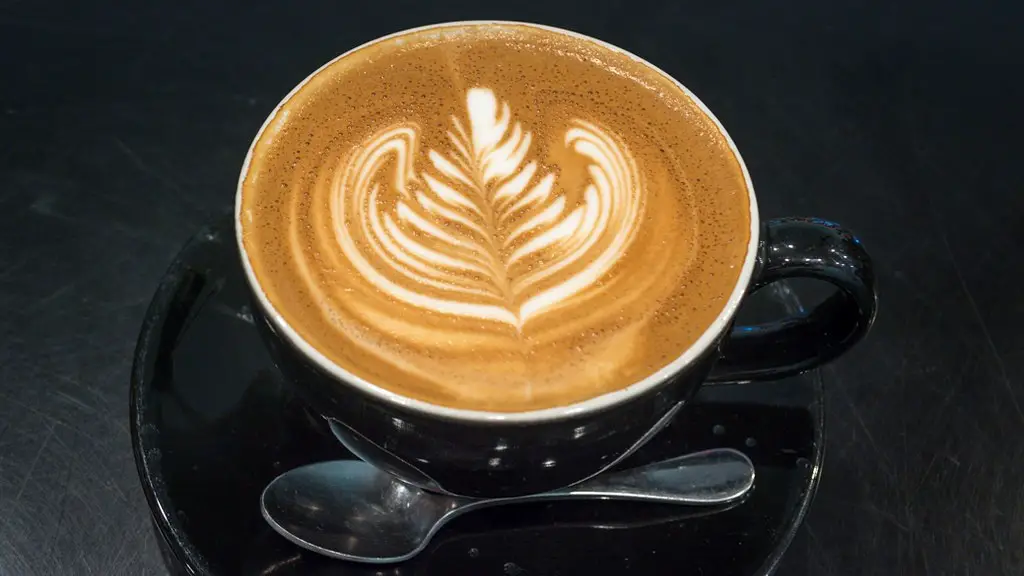
Additionally, many of us simply don’t like the taste of plain coffee—but that doesn’t mean we have to forego our daily cup of joe! A few simple flavouring ingredients such as cinnamon or cocoa powder can alter the flavour of your drink, while simultaneously providing a beneficial nutritional profile. This is especially useful for those who are trying to implement healthier eating habits on the whole.
The Impact of Habitual Coffee Drinking
Keep in mind that no habit—be it coffee drinking, exercising, or healthy eating—ishealthy if done in excess. If you’re having more than four cups of coffee per day, it can be considered a habit, and by this point, the caffeine content could start catching up to you. That’s why, if you’re a regular coffee drinker, it’s important to pay attention to your caffeine tolerance and the potential side effects, such as anxiety, headaches, and insomnia.
Having more than three cups of coffee can also cause unhealthy spikes in your blood pressure—which, aside from affecting your health negatively, can also mean that the normal thermogenic effect of caffeine will not apply to you. In turn, excess coffee consumption can actually inhibit your daily energy levels, making your weight-loss journey even more complicated.
If you do feel like you’re becoming overly dependent on coffee—for energy, weight loss, or anything else—it might be time to break the habit and explore healthier alternatives. Take the time to evaluate your diet and the impact coffee has on your overall health. Ideally, it’s best to save coffee consumption for special occasions, or, if you must drink it regularly, to make sure you’re doing so with conscious moderation.
Effects on Metabolism
Metabolism is one of the most important determinants when it comes to weight loss, and, again, coffee can have an impact on this. To start, coffee is known to contain compounds like polyphenols and chlorogenic acid, both of which have been shown to affect the body’s metabolic rate and consequently, aid weight loss. Again, though, it’s important to understand that caffeine alone will not be a lasting solution; it’s only a small contribution.
Additionally, some research suggests that coffee could help the body regulate its insulin—a key factor when it comes to fat storage. By regulating insulin levels, the body is better able to draw energy from food sources and can help achieve fat-burning goals. Again, coffee isn’t a simple, one-stop solution, so make sure you’re incorporating a balanced diet and an exercise plan into your routine as well.
Final Thoughts
As beneficial as coffee may be, it is still a stimulant and should be consumed with moderation. One or two cups a dayOf course, drinking coffee can certainly provide some weight-loss benefits—but even those will only be mild compared to the effects of a calorie-controlled diet, regular exercise, and a more holistic approach to healthy living. Caffeine can be used as an occasional crutch, but it should never be relied on as a lasting solution to weight loss.
