Curious to know if you can drink decaf coffee while doing a juice cleanse? Many dieters and health enthusiasts would like to know if they can stay caffeine-free while still taking in some of the health benefits of coffee. Decaf coffee has been gaining popularity because of its lower levels of caffeine and its ability to provide the same flavor and aroma as regular coffee – just with fewer side effects like jitters and caffeine headaches. But can it still be used as part of a juice cleanse?
The answer may depend on the type of juice cleanse you are considering. A juice cleanse typically involves drinking only fresh juice made from fruits and vegetables and eliminating the consumption of solid foods. To get the most out of a juice cleanse, it’s important to stay away from other substances, including caffeine. Although decaf coffee is lower in caffeine than regular coffee, it does still have some – so it’s best to avoid it while doing a juice cleanse if you’re looking for best results.
It’s also important to consider that during a juice cleanse, you are filling up on essential nutrients like vitamins, minerals, and plant compounds, which helps to support your overall health. You don’t necessarily need to drink decaf coffee on a juice cleanse to get those benefits, as you’ll get plenty of them just from the juices themselves. If you are looking for an energy boost, green tea is a great option – it contains caffeine, but not as much as coffee, and also has lots of beneficial antioxidants.
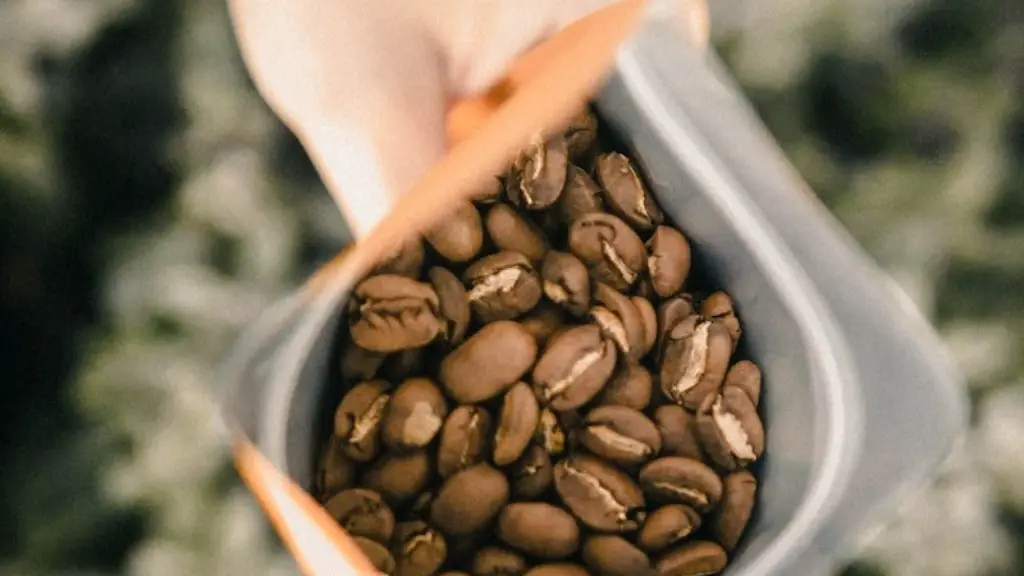
Experts recommend that if you are looking to do a juice cleanse and still want to drink decaf coffee, you should opt for Swiss water processed coffee. This type of coffee is decaffeinated using a chemical-free water process that removes more than 99.9% of the caffeine. Swiss water processed coffee contains significantly less caffeine than regular coffee – in fact, a cup of coffee contains around 100-150mg of caffeine, while Swiss water processed coffee typically has around 5-20mg.
So while it might be tempting to enjoy some decaf coffee on your juice cleanse, doing so might not be the best option if you’re looking to get the most out of your cleanse. The best way to reap the benefits of a juice cleanse is to stick to fresh, organic juice and avoid caffeine altogether. This will help to reduce feelings of fatigue and provide your body with all the vitamins, minerals, and antioxidants it needs to function optimally. Plus, you’ll be able to enjoy the natural sweetness and flavor of your juices without worrying about the potential side effects of caffeine.
The Benefits of Decaf Coffee
Despite not being the best option for a juice cleanse, decaf coffee still has some great benefits that make it worth considering. One of the main ones is that it can deliver a similar flavor to regular coffee without causing any of the negative side effects – things like jitters, racing heart, and sleeplessness. This means people can enjoy the morning ritual of coffee without the unwanted side effects.
Another benefit of decaf coffee is that it is lower in calories than regular coffee. With regular coffee, you might be tempted to add sugar and cream to make it more palatable, which can quickly add up in terms of calories. Decaf coffee can be enjoyed as is, so you don’t have to worry about consuming extra calories.
Finally, decaf coffee can be helpful for people who are trying to reduce their caffeine intake. Regular coffee can sometimes be difficult to quit cold turkey, which is why many people opt for decaf coffee instead. This can be a great way to wean yourself off regular coffee and still enjoy a cup of joe in the morning.
The Dangers of Caffeine During a Juice Cleanse
Even though decaf coffee can be helpful in some situations, that doesn’t mean it’s necessarily the best option while doing a juice cleanse. Caffeine is a stimulant, which can throw your body out of balance if consumed in large amounts. During a juice cleanse, this is especially important to keep in mind – as you’ll be taking in a lot of vitamins and minerals, which can be thrown off balance if caffeine is added to the mix.
Caffeine can also increase levels of cortisol, the hormone responsible for managing stress. High levels of cortisol can cause fatigue and disrupt sleep patterns, which can be counter-productive if you’re trying to detox and restore balance to your body through a juice cleanse.
Finally, it’s important to note that caffeine can actually have a dehydrating effect, which is definitely not ideal when you’re trying to flush out toxins through a juice cleanse. So if you are looking to experience the full benefits of a juice cleanse, it’s best to avoid any drinks that contain caffeine, including decaf coffee.
Alternative Energy Sources

If you’re looking for an energy boost while on your juice cleanse and want to avoid caffeine all together, there are plenty of alternative sources of energy to choose from. Green tea is a great option, as it contains a moderate amount of caffeine and also has many beneficial antioxidants. Herbal teas like ginger, chamomile, and peppermint are also great options that can help to energize and invigorate the body naturally.
For those looking for an even more natural energy boost, there are plenty of foods you can add to your diet that can help to increase energy levels without any added stimulants. Some of the best options are nuts and seeds, which provide healthy fats and protein that can help to fuel your body throughout the day. Other foods like quinoa, oats, and bananas are great choices for a lasting energy boost – and can be enjoyed as part of your juice cleanse.
Finally, it’s important to get enough sleep while doing a juice cleanse. Aim for at least 7-8 hours each night, as this will help to keep your energy levels up while still giving your body enough time to rest and recuperate from the detox.
Potential Side Effects of Drinking Decaf Coffee
Although decaf coffee has fewer side effects than regular coffee, that doesn’t mean it is free of any potential risks. Because decaf coffee still contains some caffeine, it can still cause jitters and restlessness in some people, especially in large doses. It can also cause caffeine headaches, as well as increased heart rate, which can be dangerous for people with heart conditions.

Decaf coffee also contains some chemicals that are used in the decaffeination process, which can have a negative effect on the body. These chemicals include things like trichloroethanol and polychlorinated biphenyls (PCBs), which can be toxic if consumed in large amounts. As such, it’s important to be aware of these potential side effects and talk to your doctor before drinking a lot of decaf coffee.
It’s also important to note that while decaf coffee might be considered “safer” than regular coffee, it still contains some caffeine and should be treated as such. If you’re looking to reduce your caffeine intake, opt for herbal teas or green tea instead.
Alternatives to Drinking Decaf Coffee on a Juice Cleanse
If you’re considering drinking decaf coffee on your juice cleanse and want to reduce the potential side effects, there are plenty of alternatives that can help you get the energy boost you need without any of the unwanted side effects. One of the best options is green tea – it contains much less caffeine than regular coffee, making it a great way to get energized without the jitters.
Herbal teas are also great alternatives, as many of them have energizing properties that can help to keep you alert and energized throughout the day. Some of the most popular energizing teas include ginger, peppermint, ginseng, and chamomile – all of which are naturally caffeine-free.

Finally, don’t forget to get enough sleep while on your juice cleanse. This can be a great way to naturally boost your energy levels without any added stimulants. Make sure to get 7-8 hours of sleep each night, as this will help to keep your energy levels up throughout the day.
Keeping Your Energy Levels Up During a Juice Cleanse
Although it’s not the best idea to drink decaf coffee on a juice cleanse, there are plenty of other ways to make sure you have enough energy throughout the day. Eating a balanced diet with plenty of healthy fats and protein can help to fuel your body and keep your energy levels up, as can getting enough sleep each night. Herbal teas and green tea are also great options, as they provide energizing benefits without the added jitters or caffeine headaches.
Finally, a juice cleanse can be an excellent way to boost energy levels and restore balance to the body. By taking in only fresh juice and avoiding foods with added sugar and caffeine, you can give your body the opportunity to flush out toxins and restore balance naturally.
How to Get the Most Out of Your Juice Cleanse
If you’re looking to get the most out of your juice cleanse, it’s important to stick to fresh, organic juices and avoid added sugar and caffeine. This will help to reduce fatigue, as well as ensure you get all the vitamins, minerals, and antioxidants your body needs. Also, make sure to get enough sleep each night, which can be a great way to naturally boost your energy levels.
You can also increase the benefits of your juice cleanse by adding in some other healthy activities, such as yoga and meditation. These can both help to reduce stress and tension and keep your body feeling balanced and energized throughout the day.
Finally, don’t forget to listen to your body. Detoxing and restoring balance is an ongoing process, so make sure to pay attention to how you’re feeling and adjust your cleanse accordingly. This will help to maximize the benefits and make sure you get the most out of your juice cleanse.
